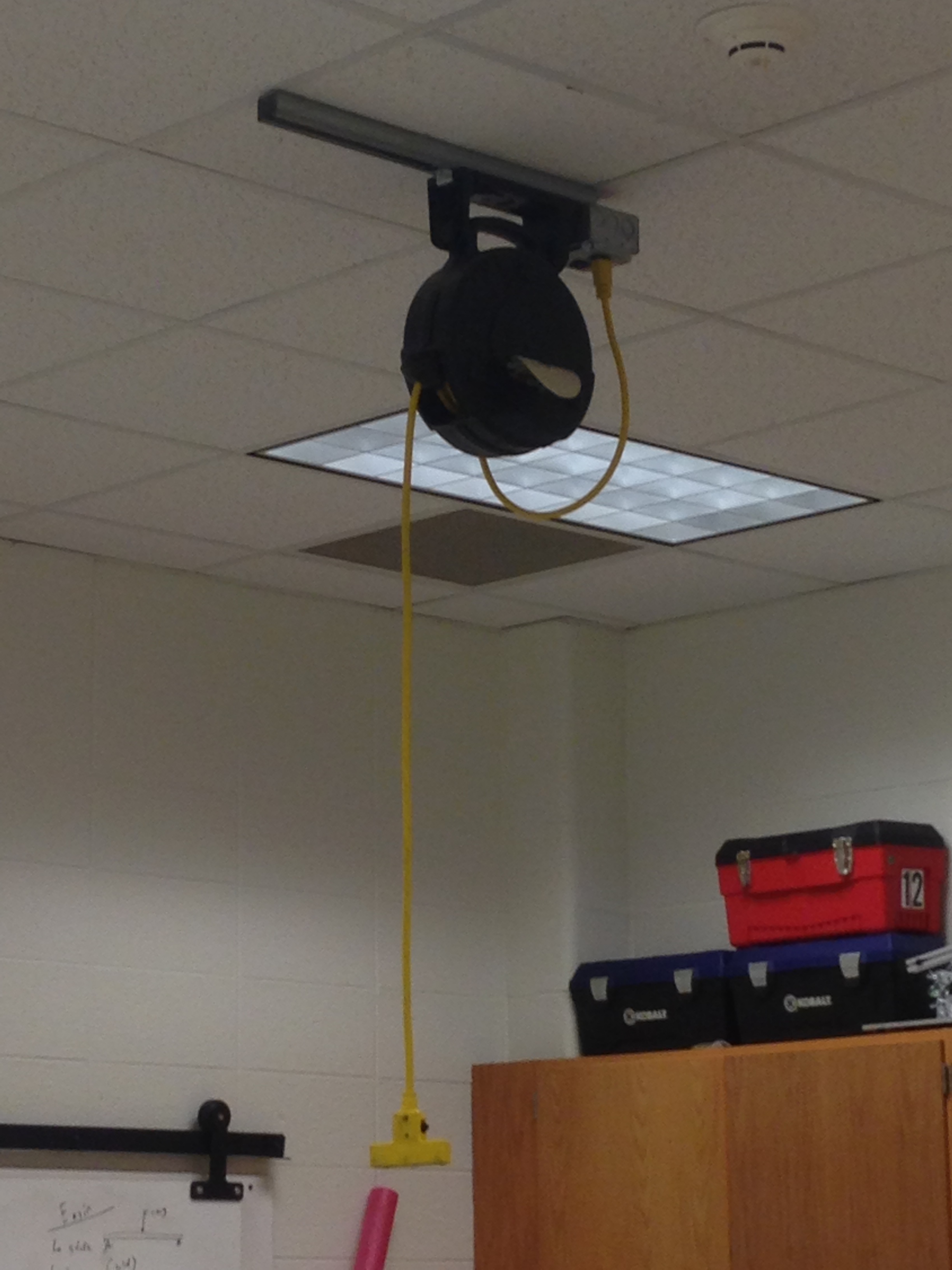
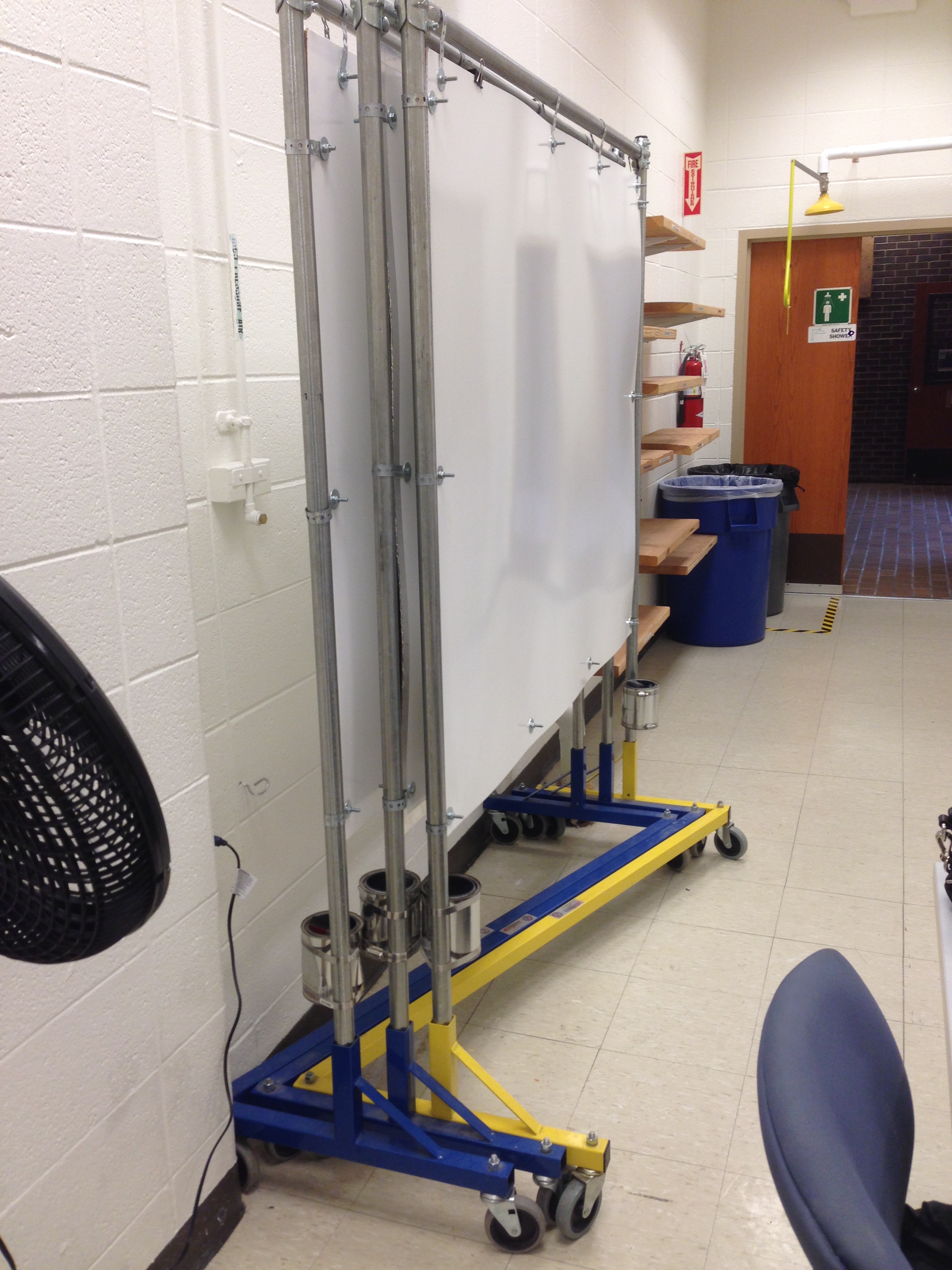
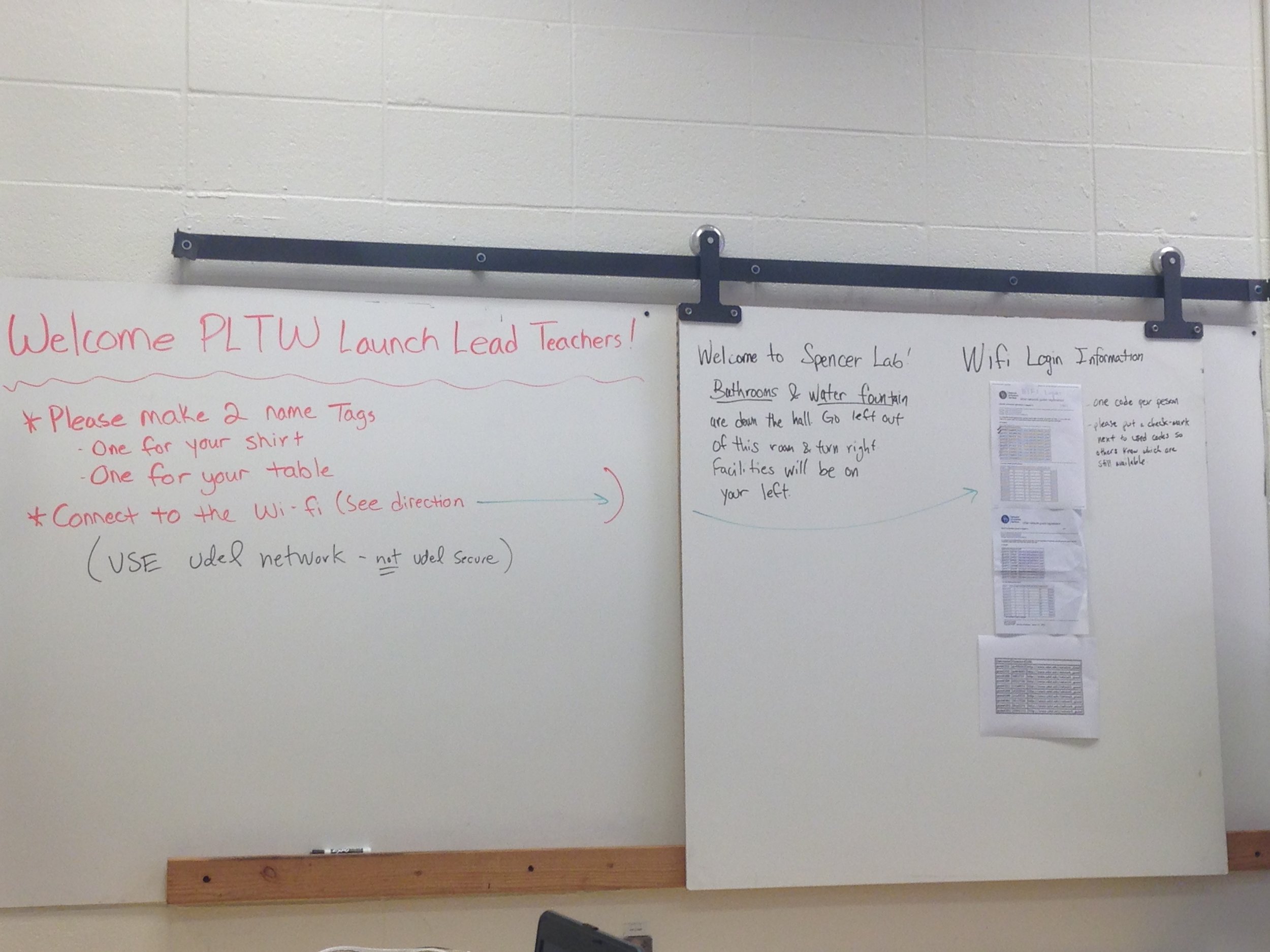
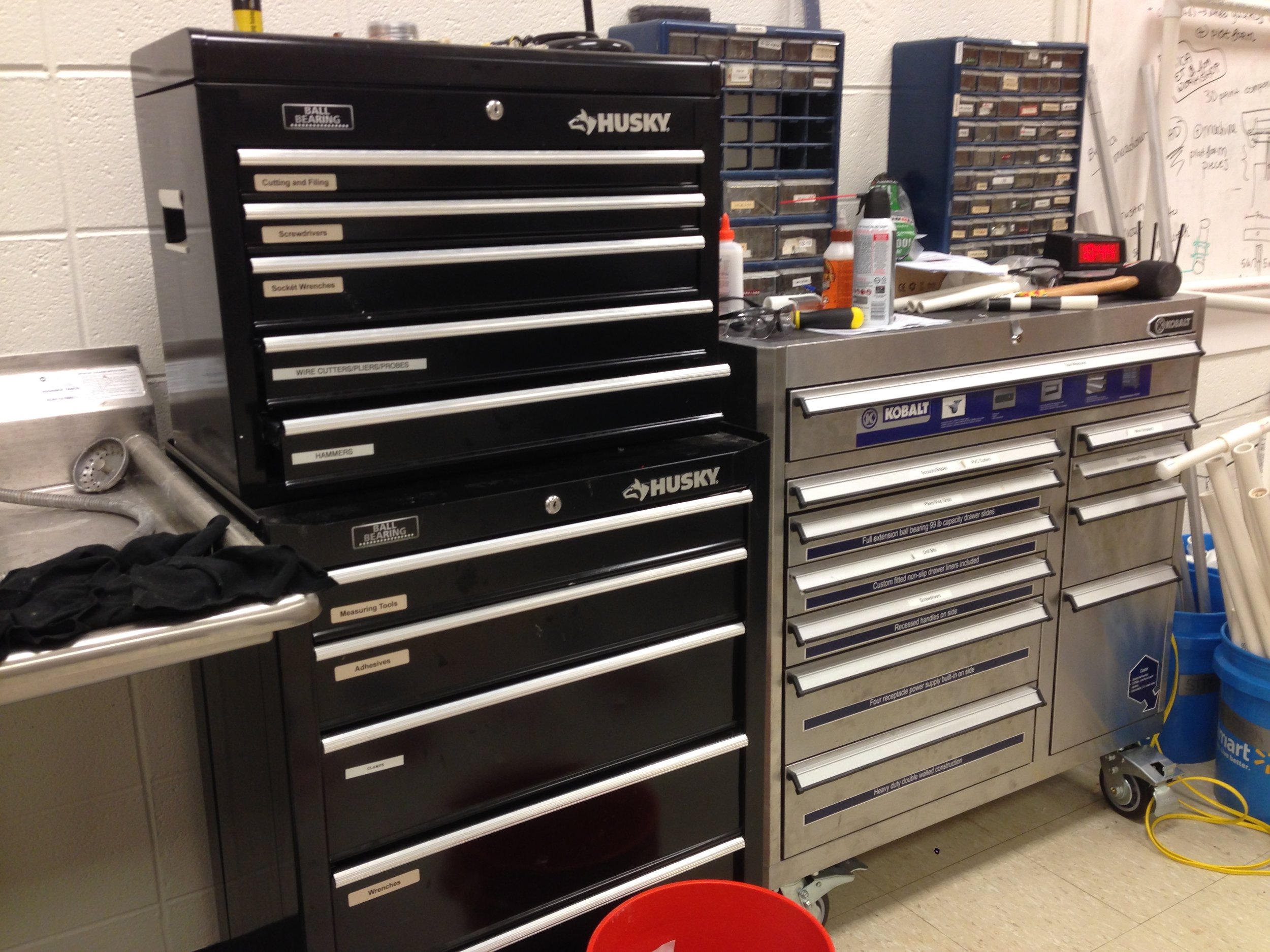
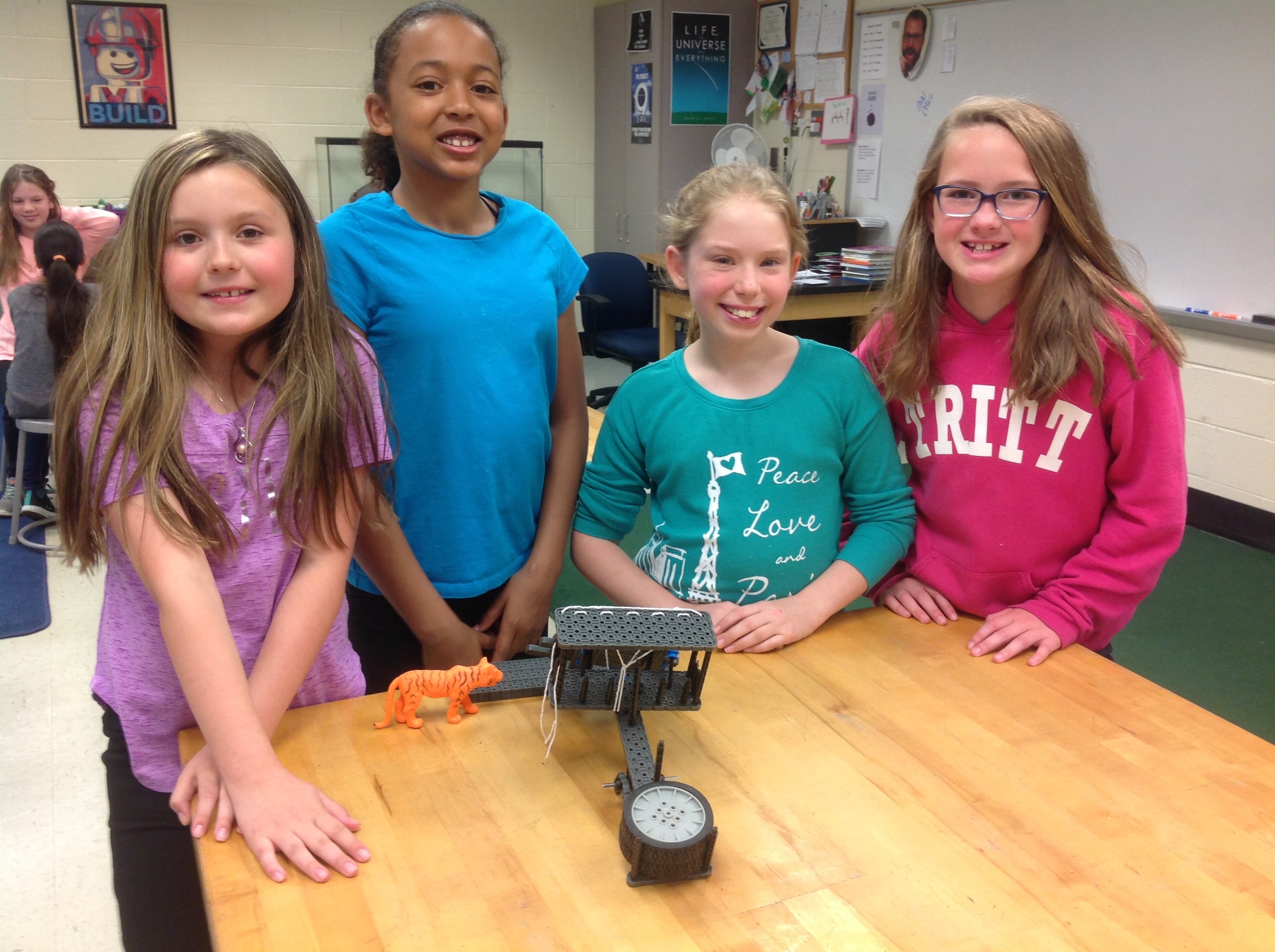
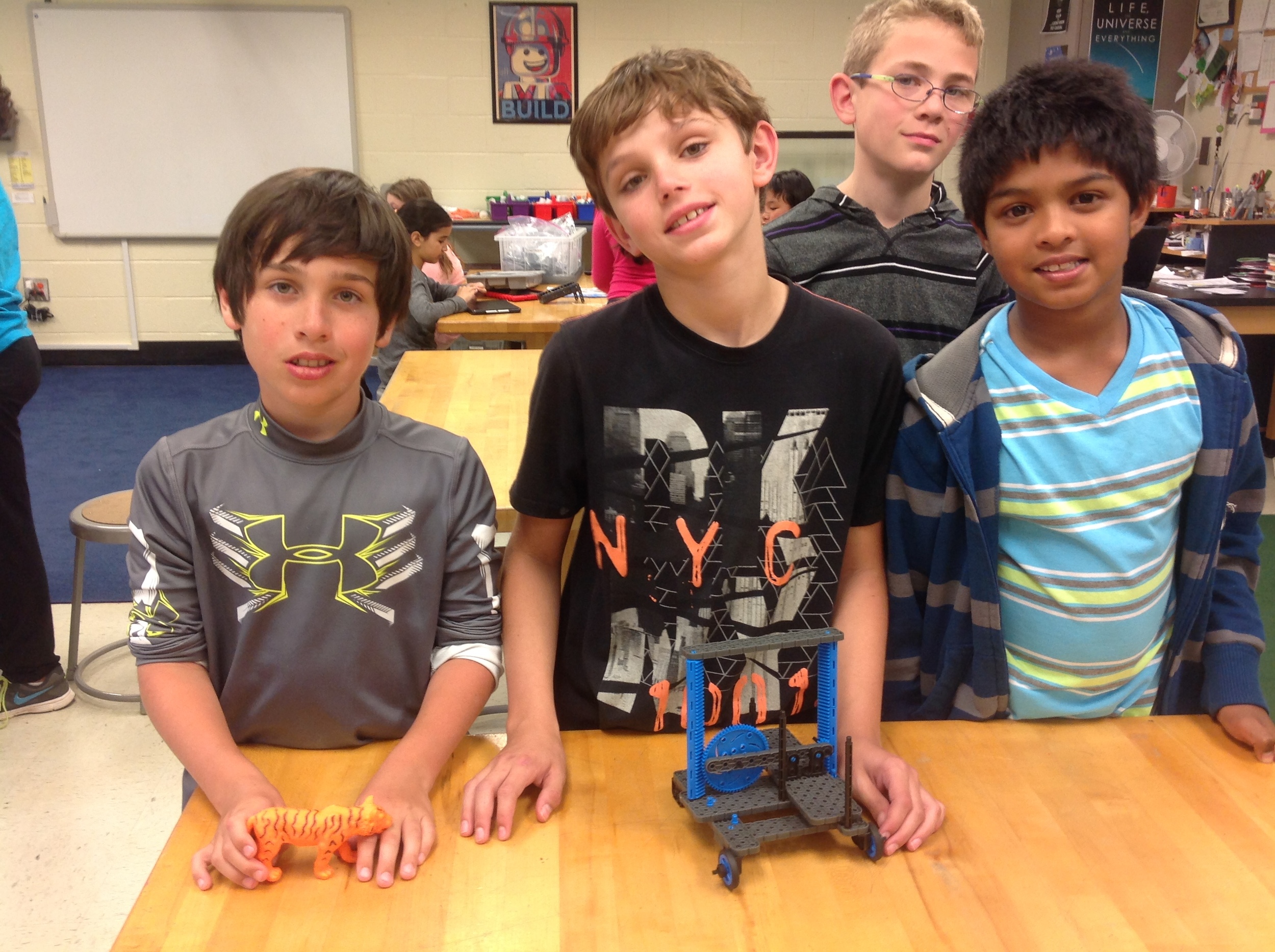
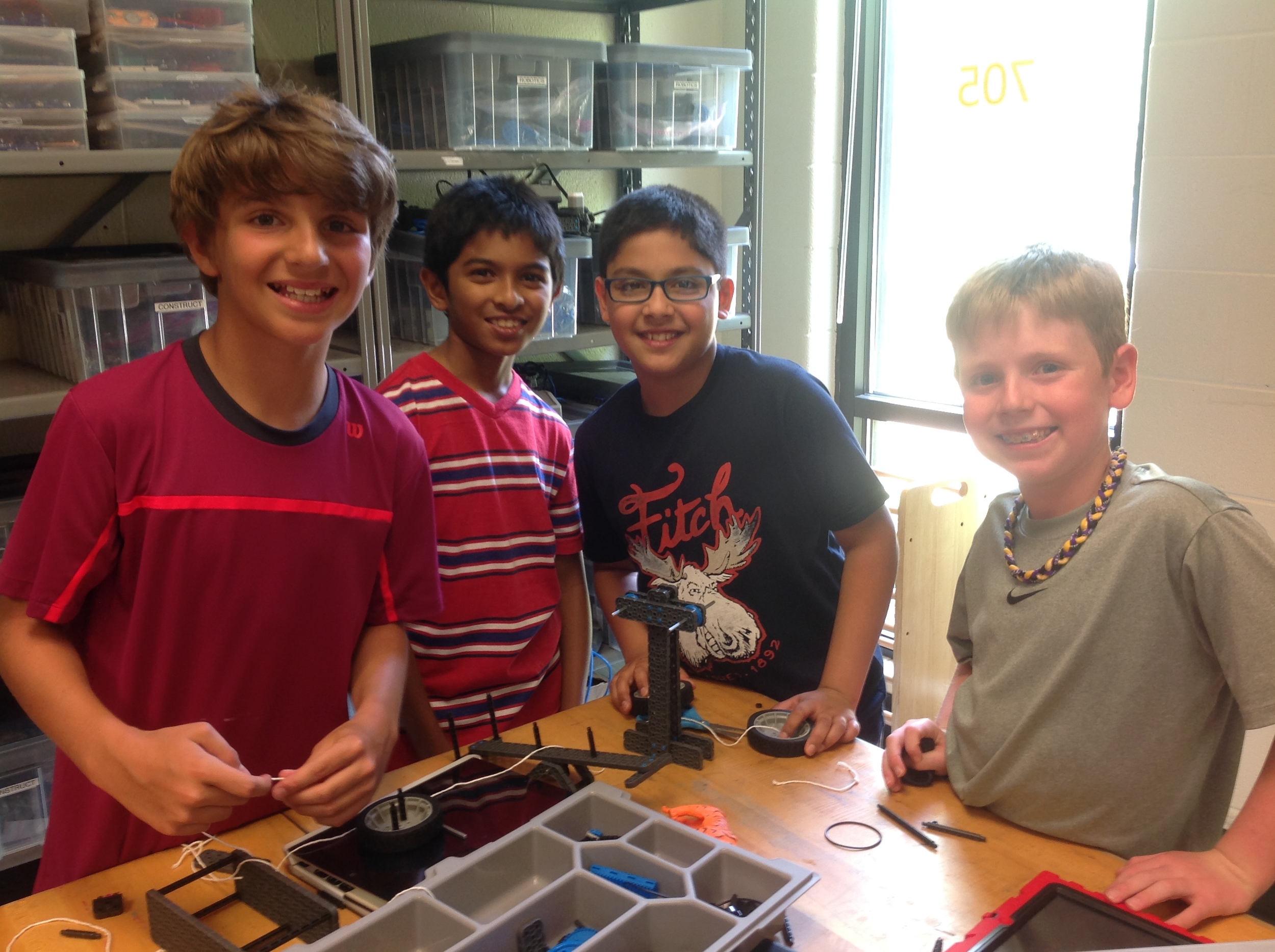
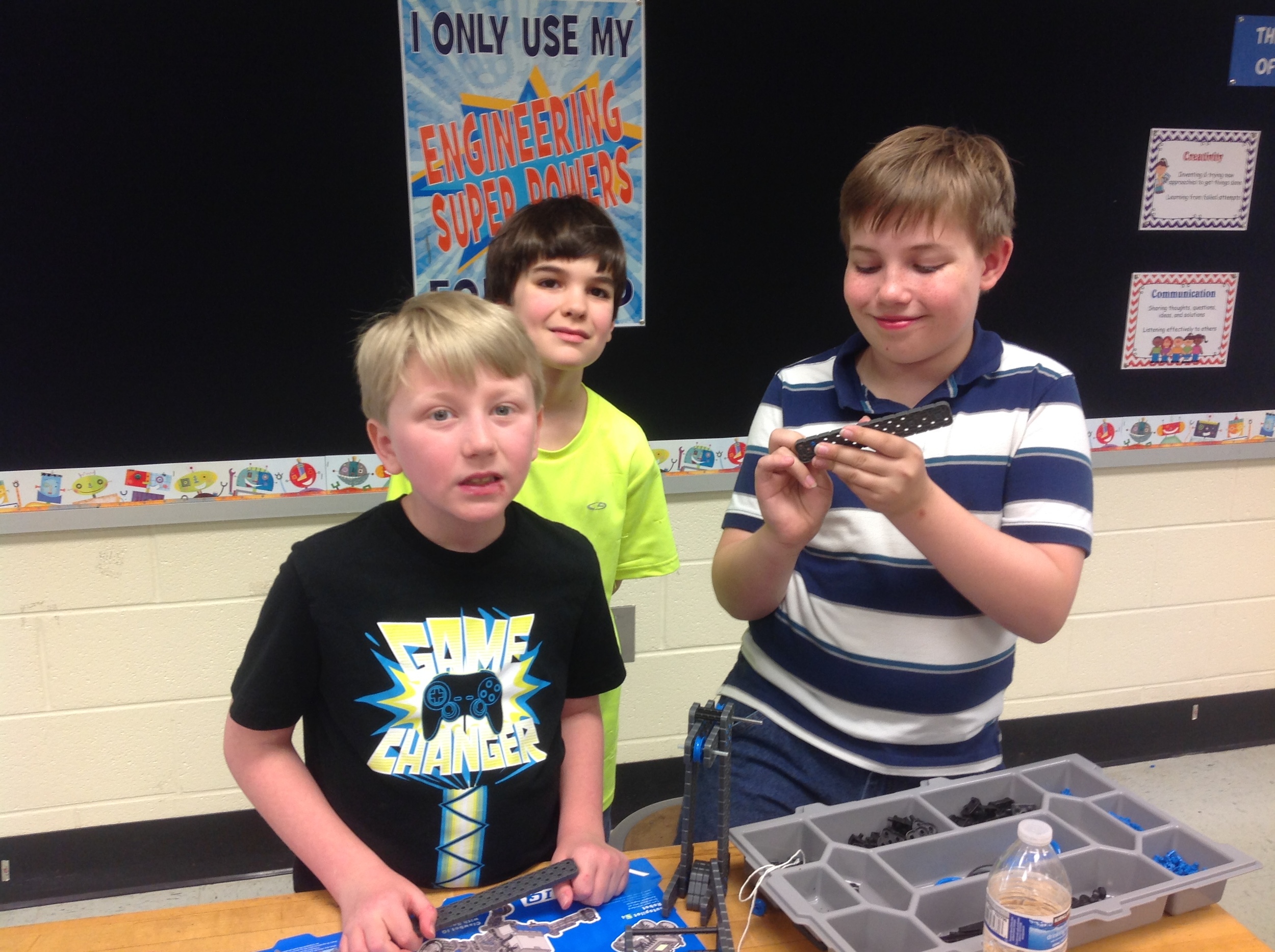
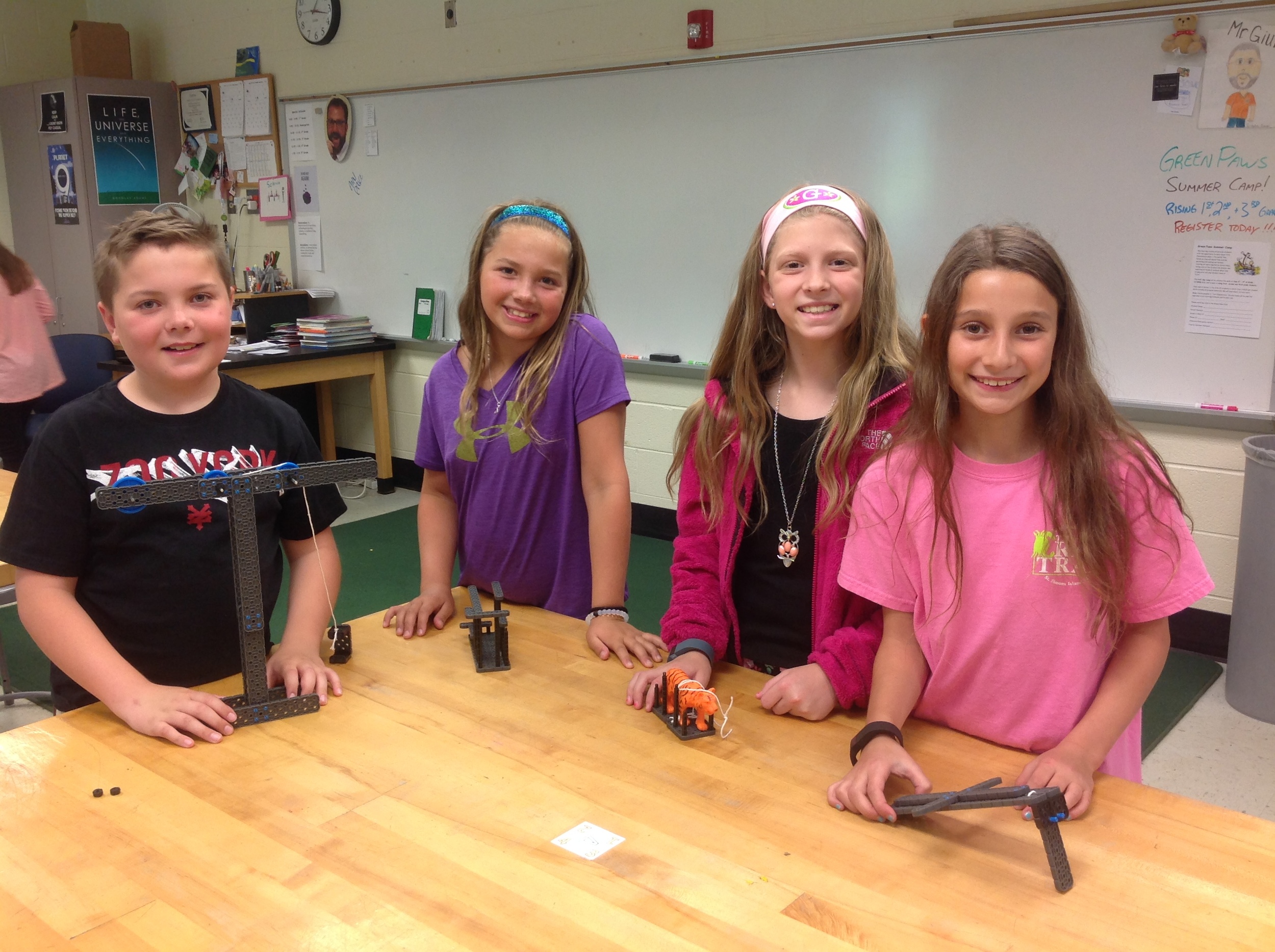
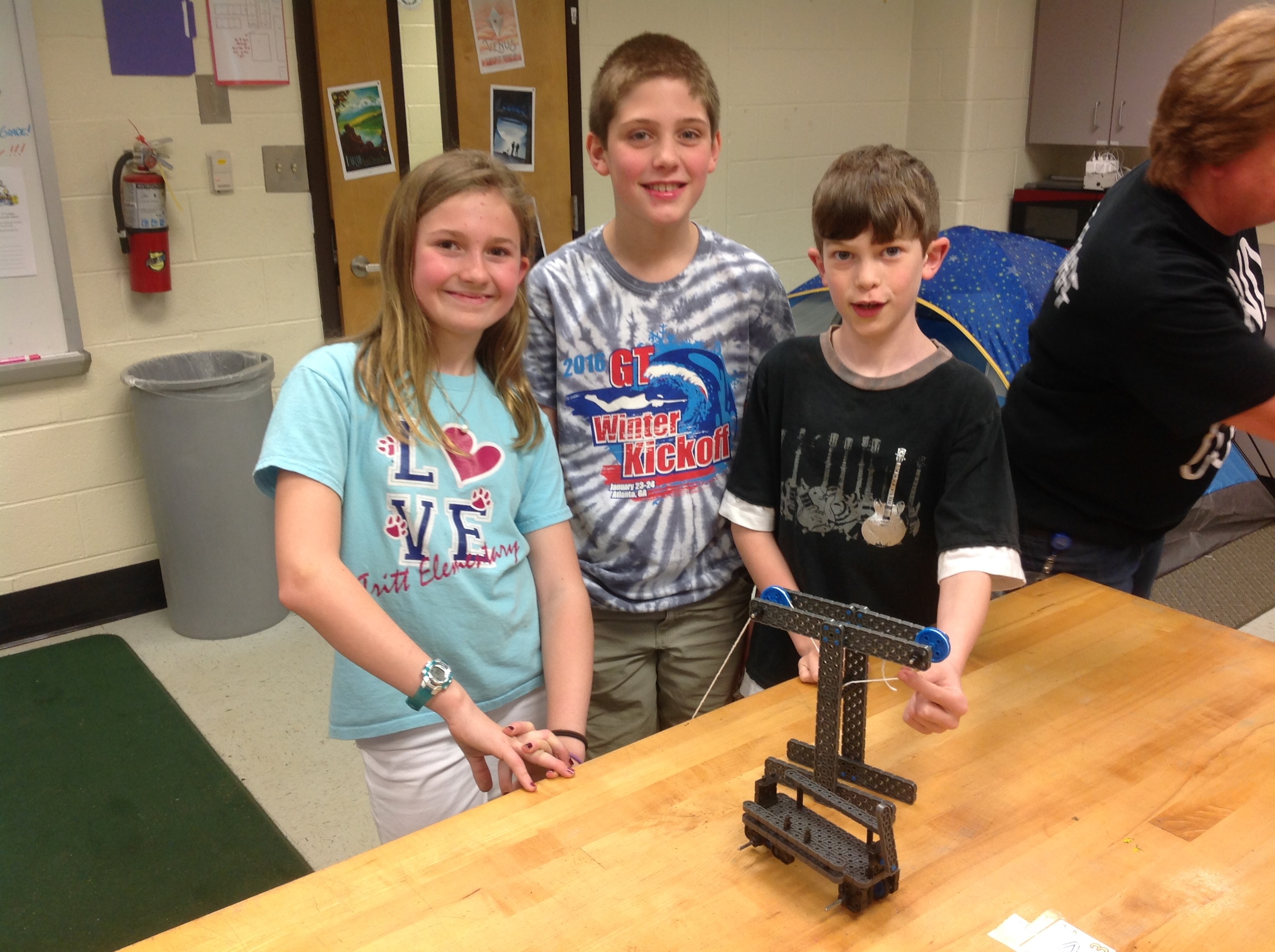
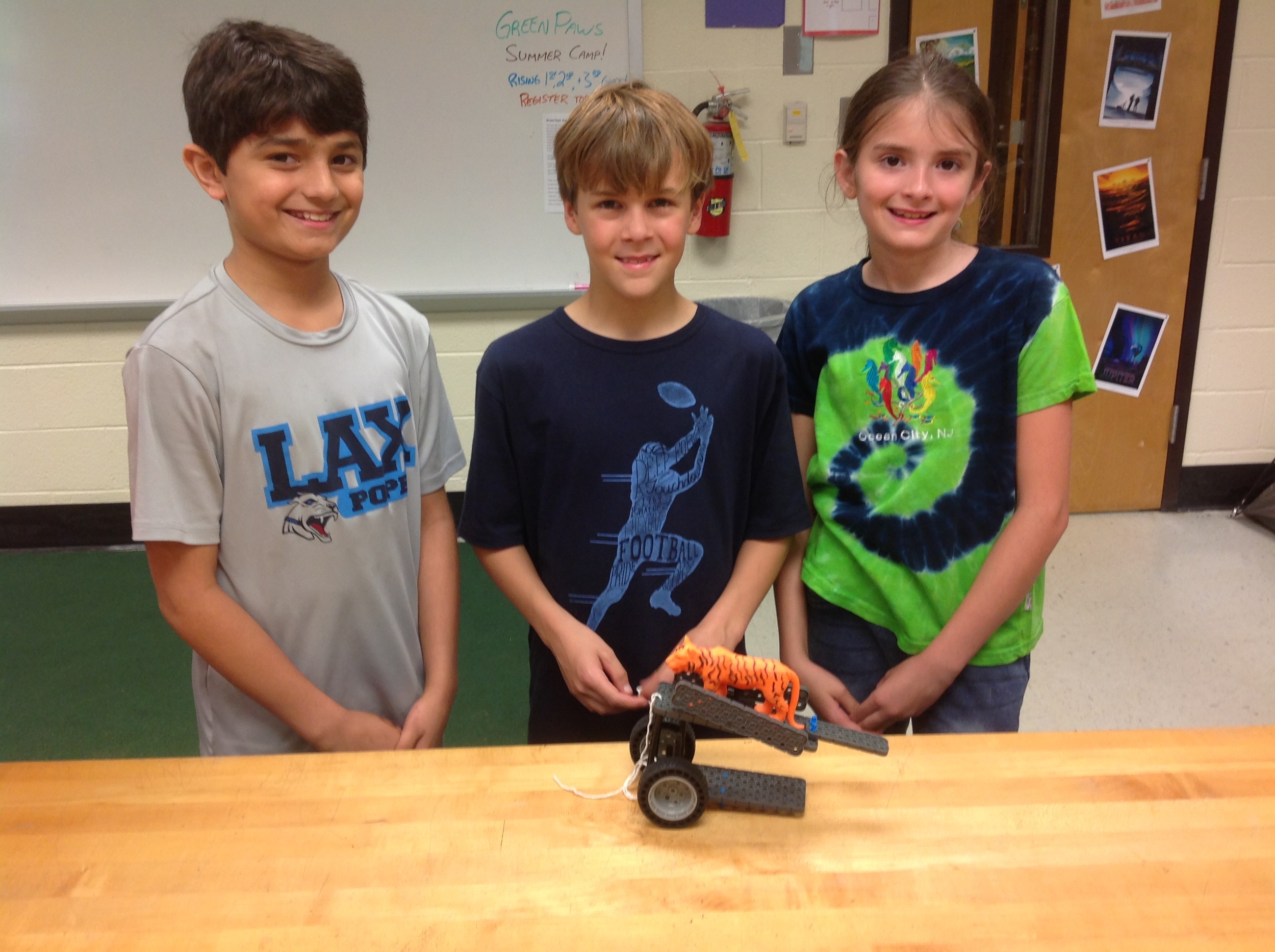
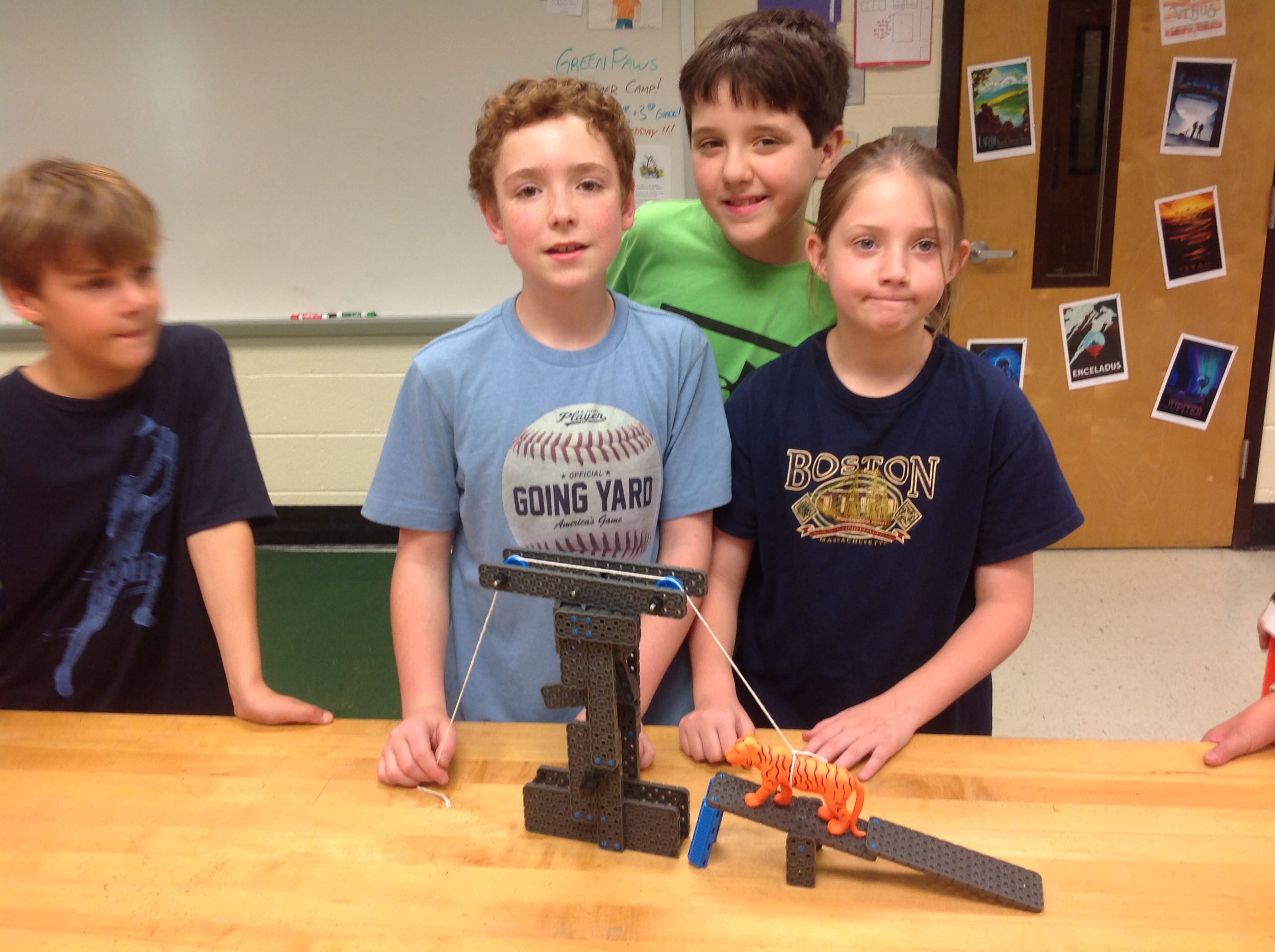
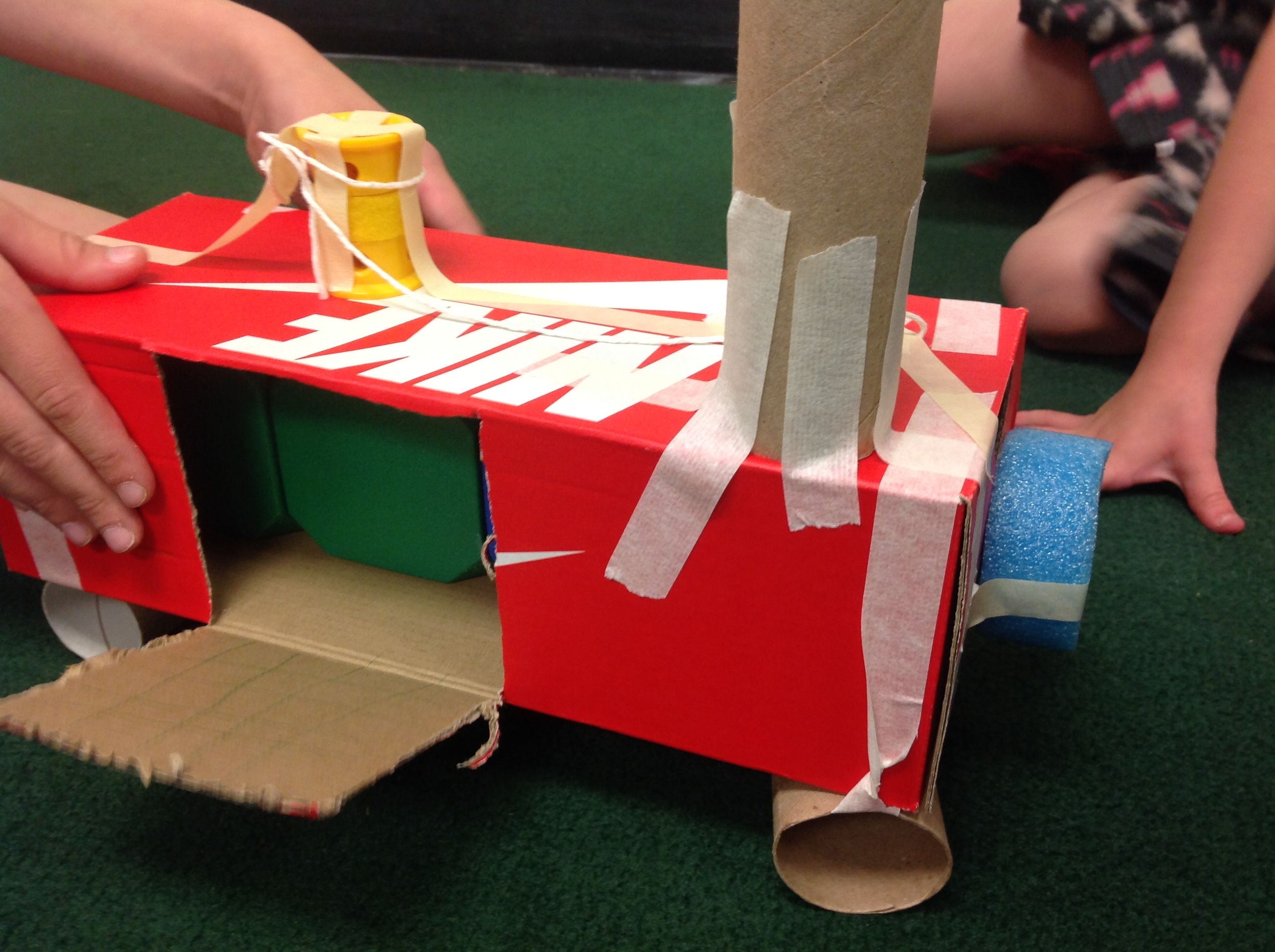
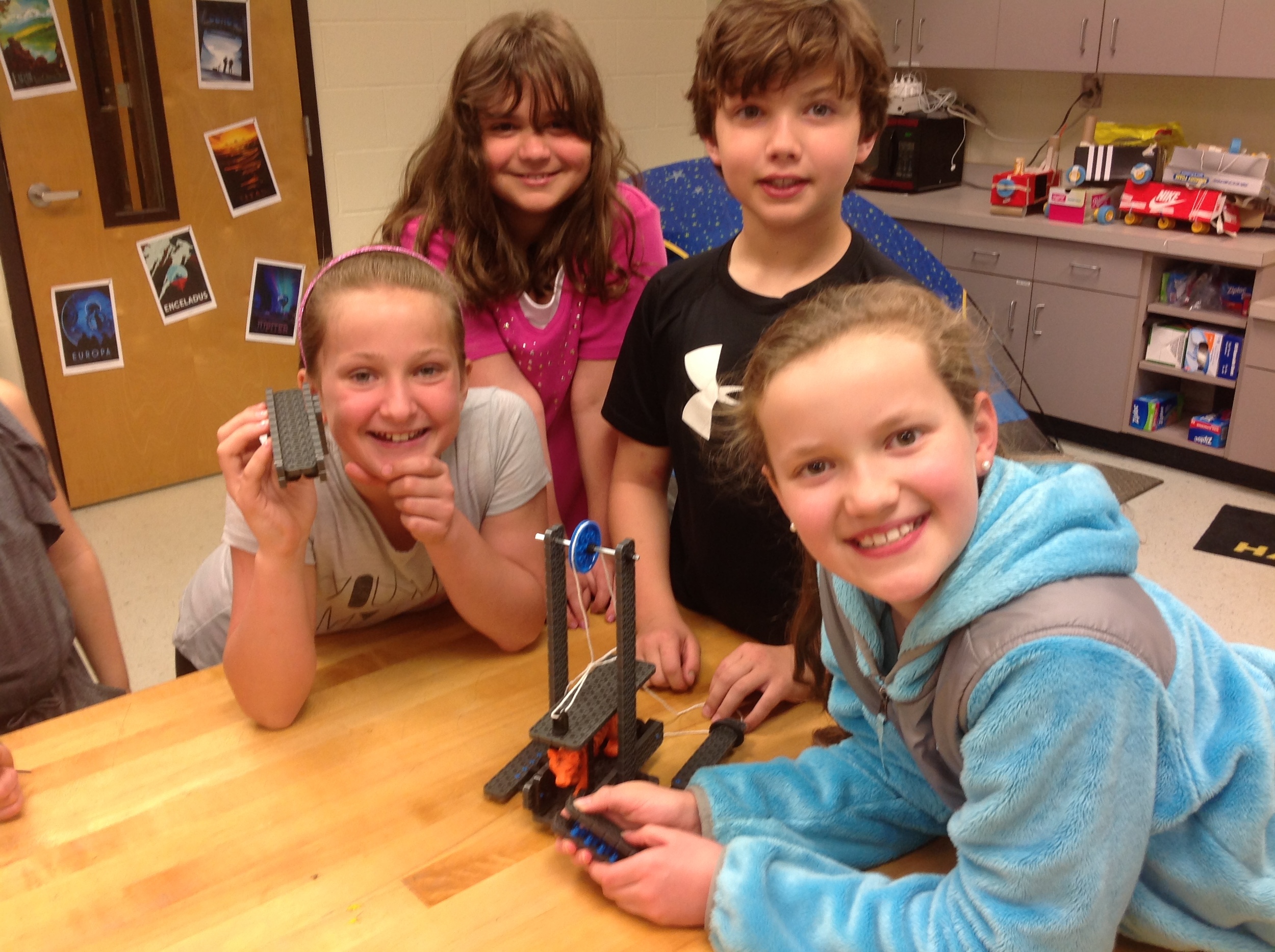
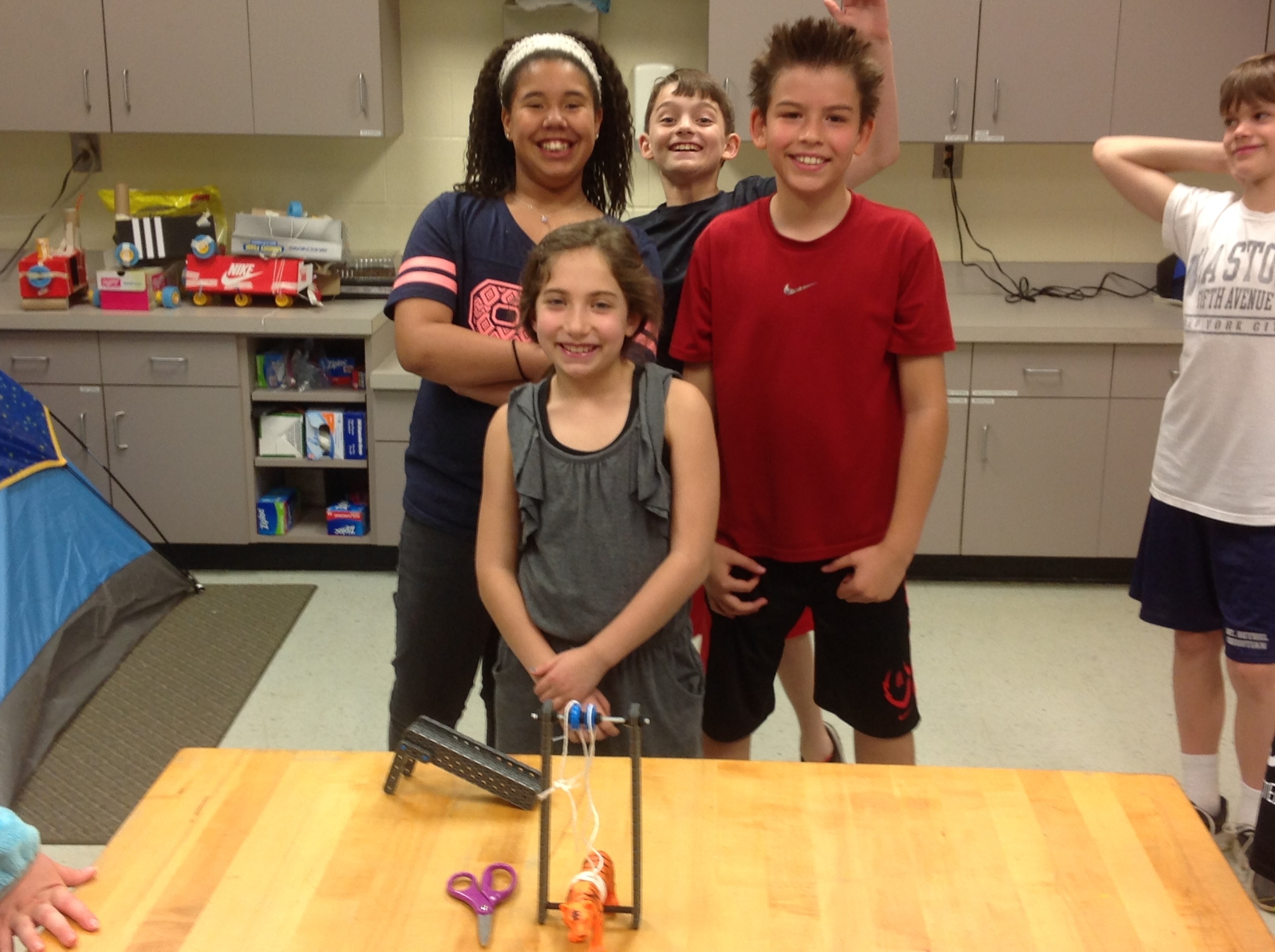
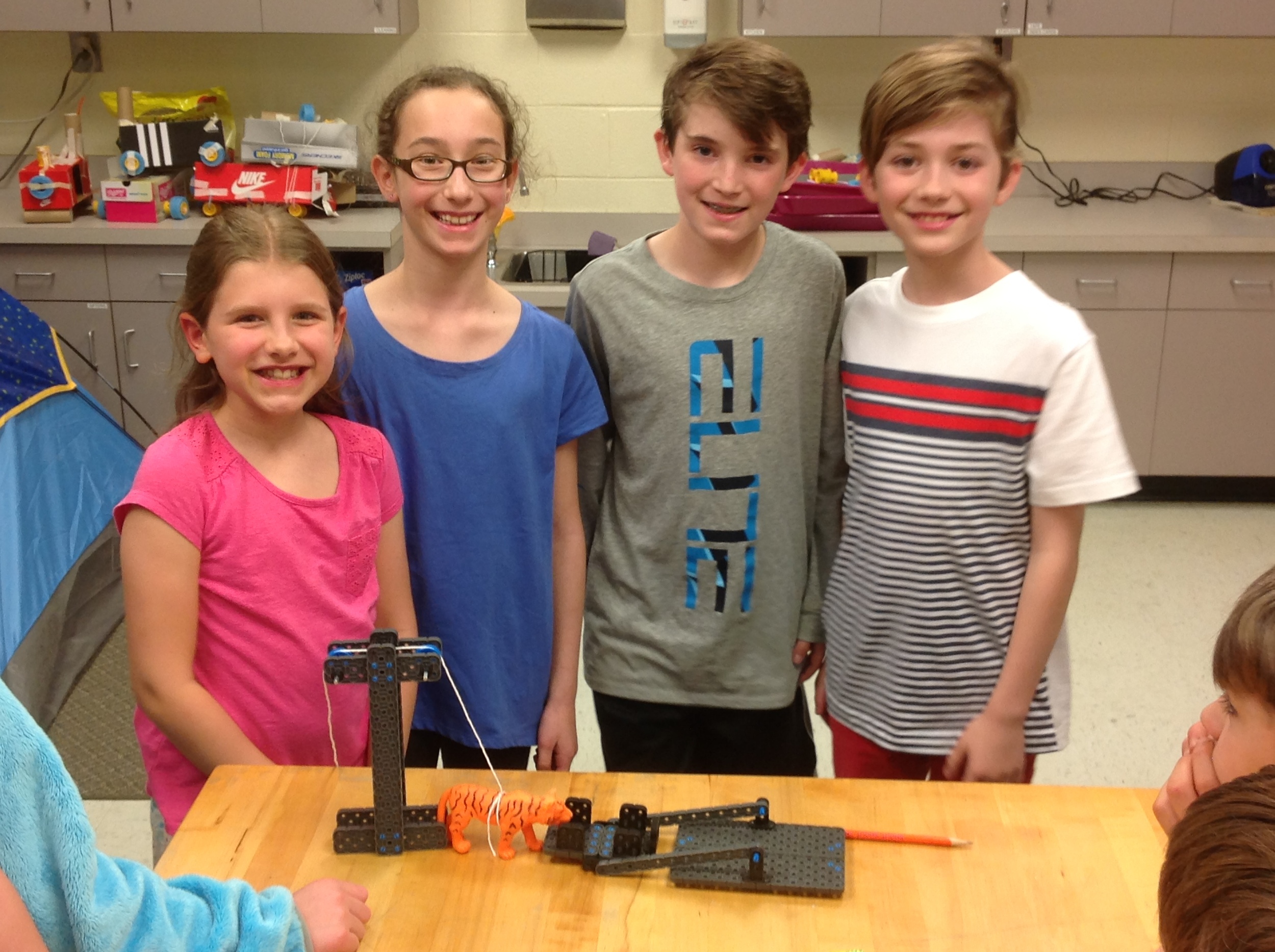
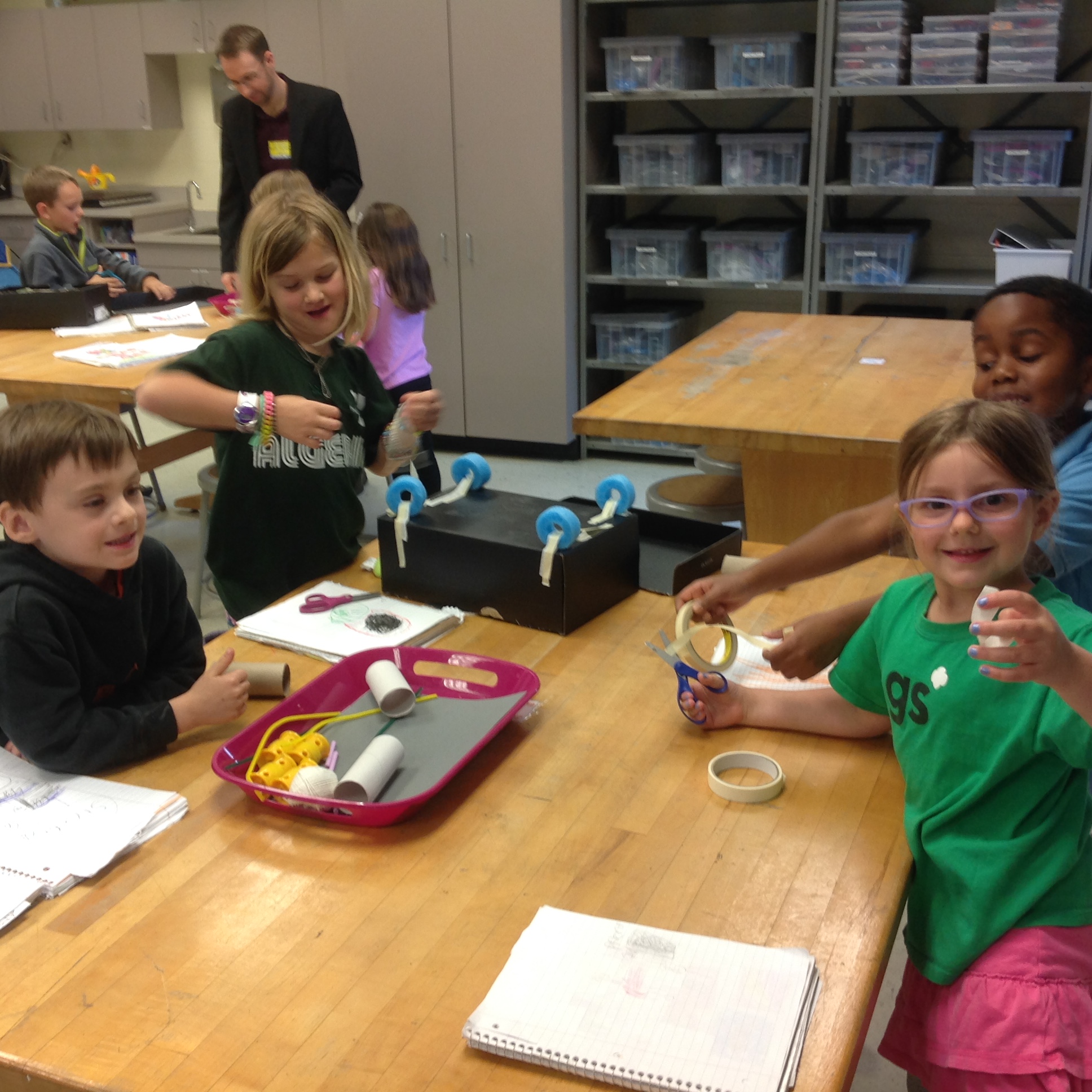
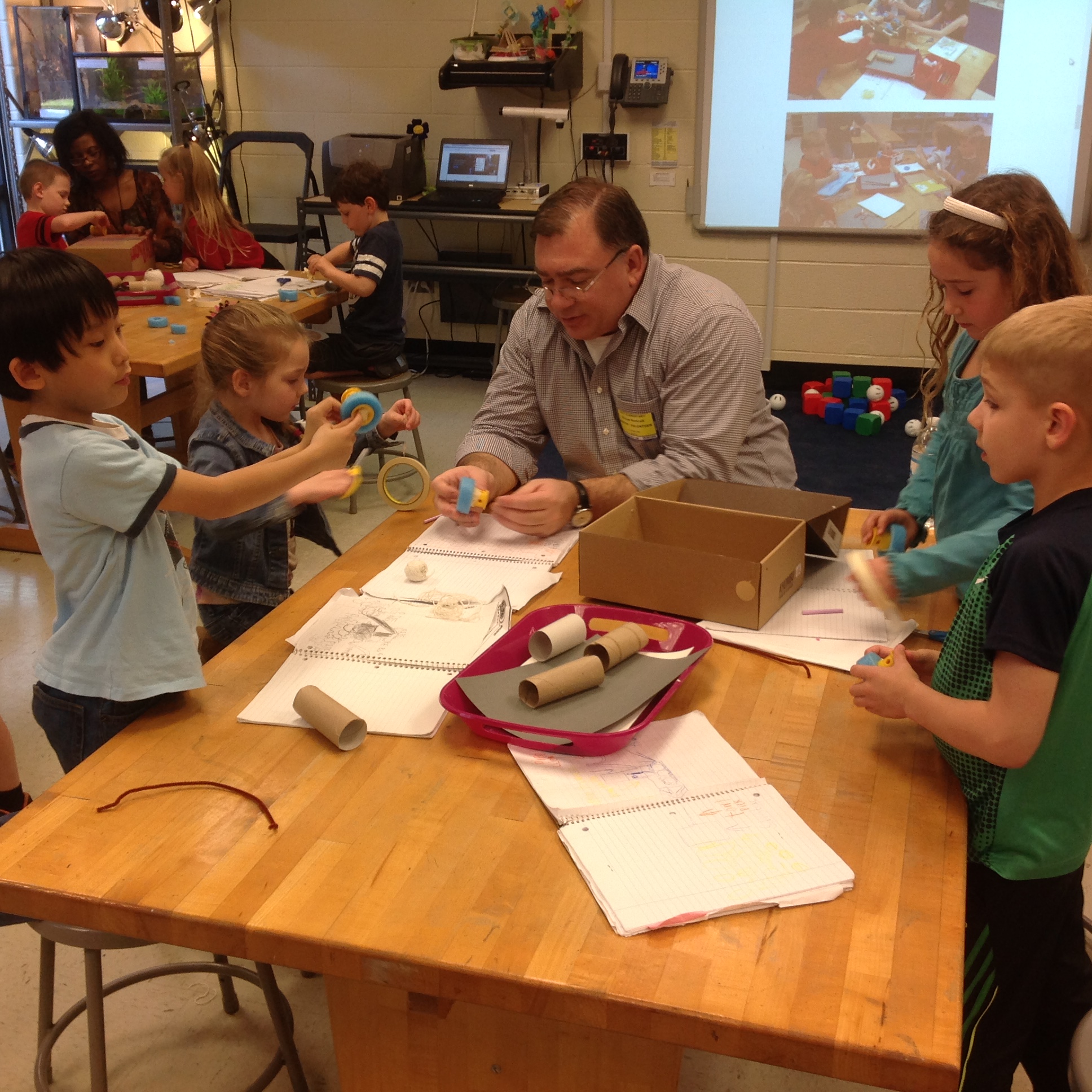
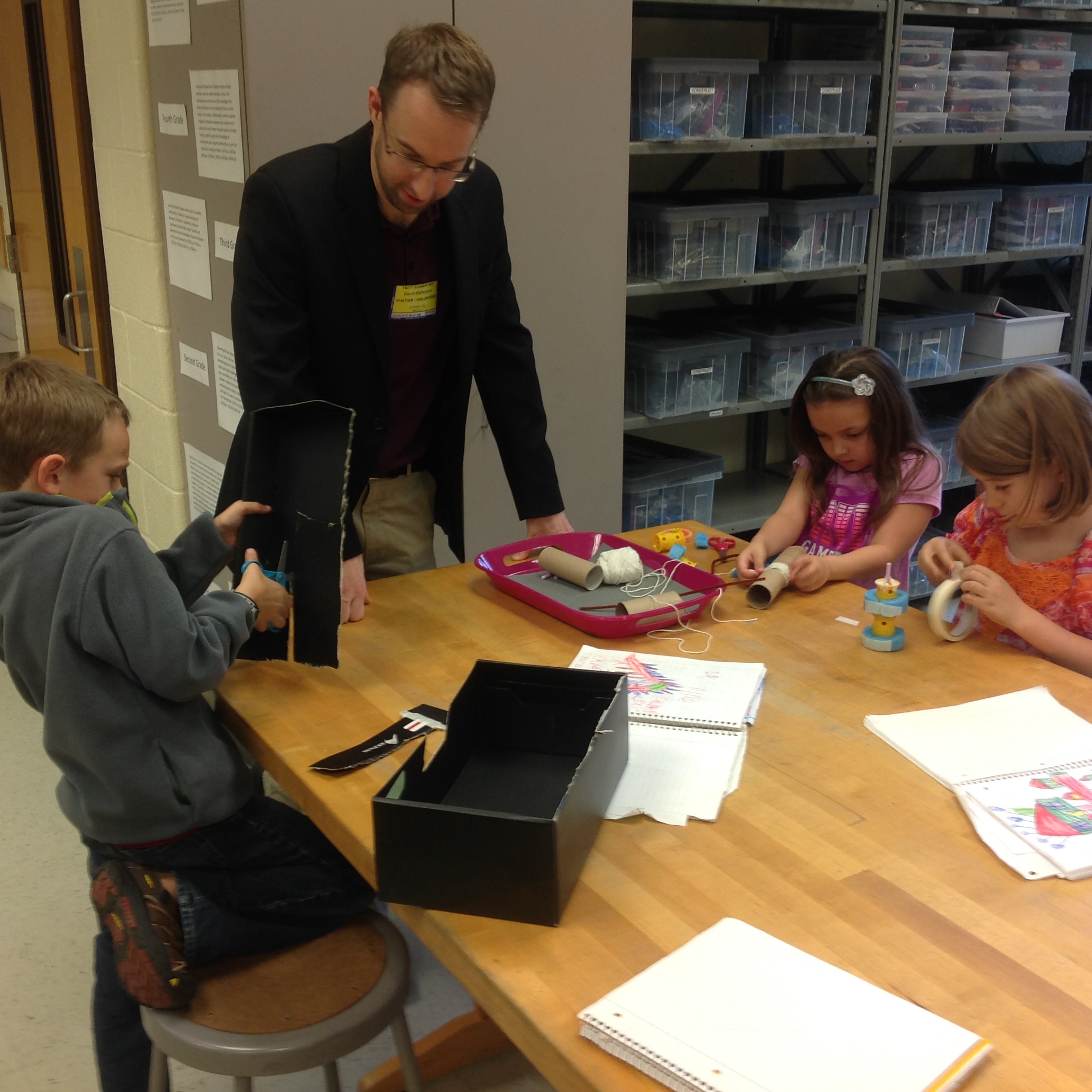
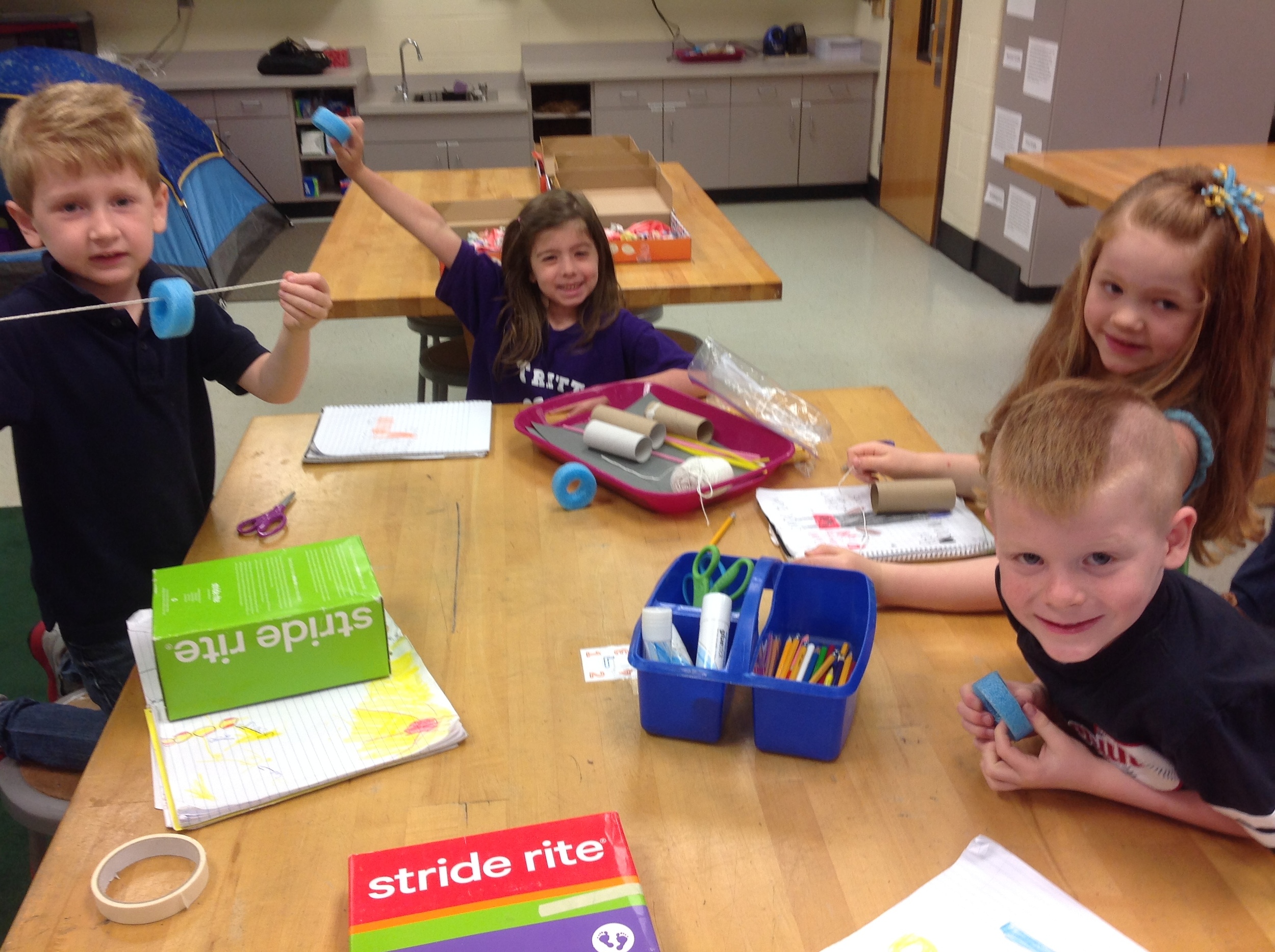
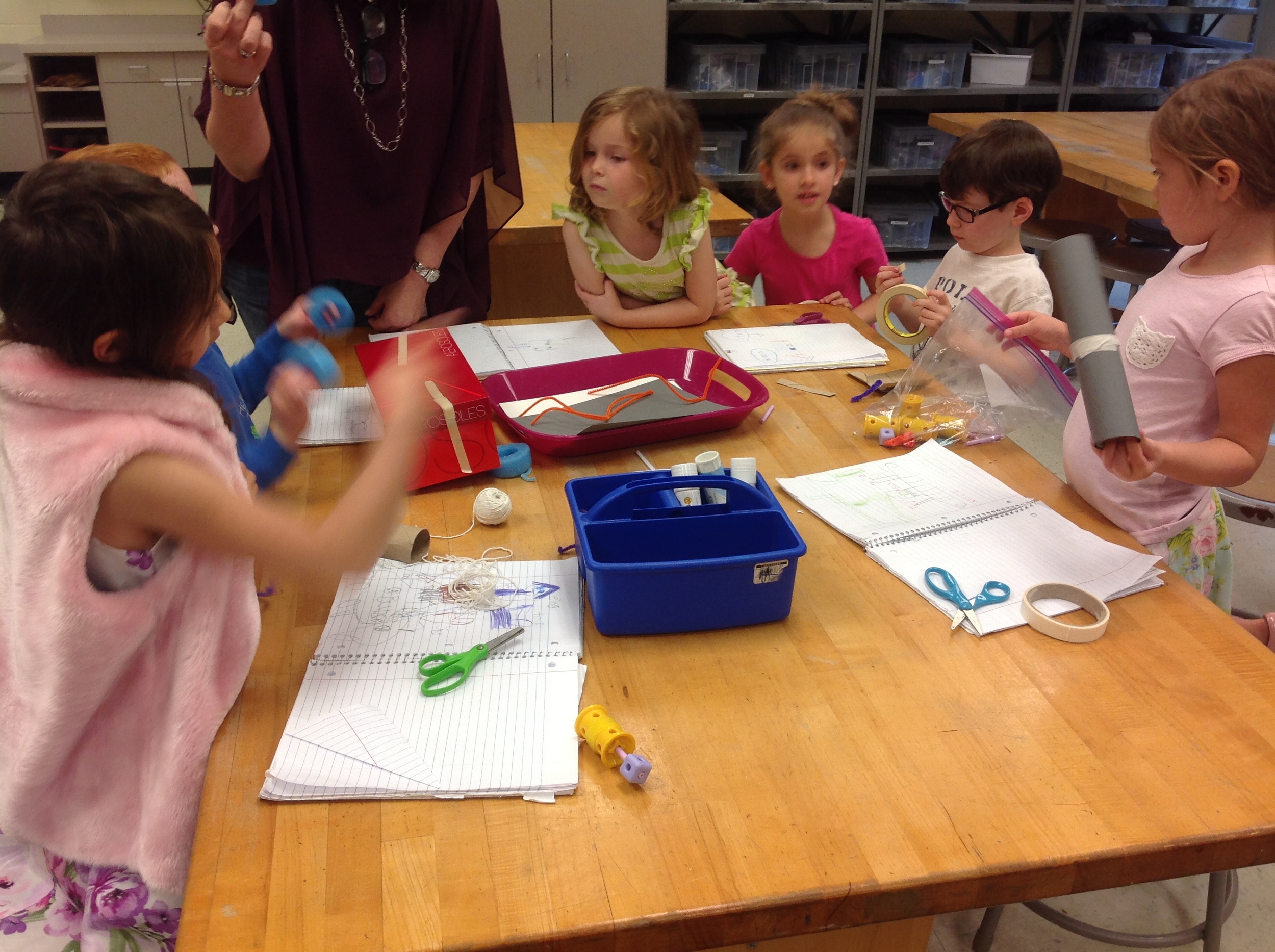
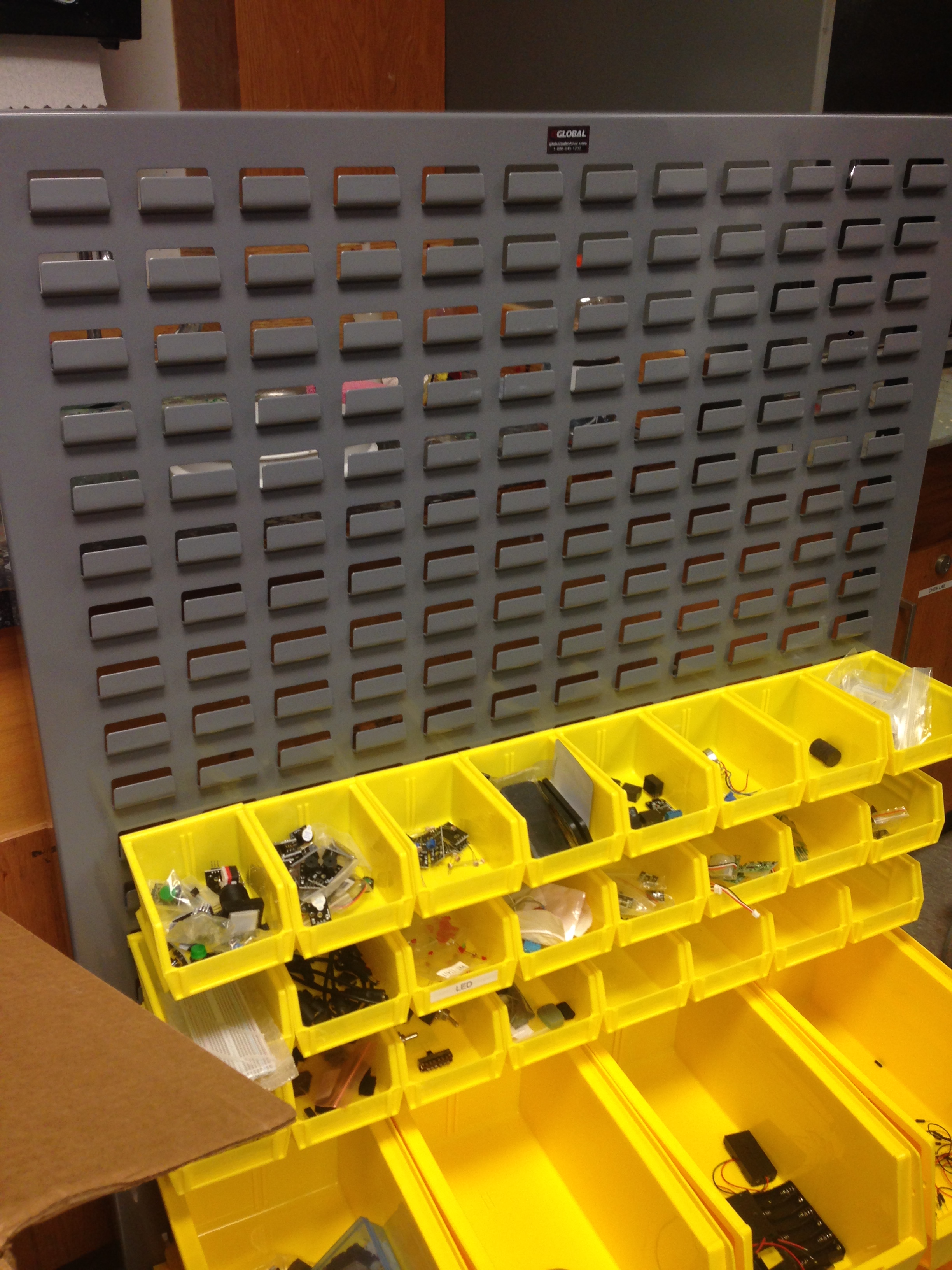
In the Summer of 2016 I was honored to be chosen by Project Lead the Way to travel around the country and share their incredible engineering curriculum with other teachers. I visited Thomasville Board of Education in Georgia, Florida Gulf Coast University in Fort Meyers, and the University of New Haven in Connecticut CT (where I was able to tour Yale too). However no place stood out like the Mechanical Engineering Department at the University of Delaware in Newark. After flying into Philadelphia (it was Independence Day weekend, and the city was amazing), Dr. Jenni Buckley hosted me and a dozen other teachers for 3 nights, and I wish I had her as a professor back at Stetson University! The labs and workshops were all amazing, but more than anything the students and their work was so inspiring. I would highly recommend it to any Tritt/HTMS/Pope kids! Check out some of projects here (they aren't all car related) and some pictures of my new wish list below.
A River Runs Through It
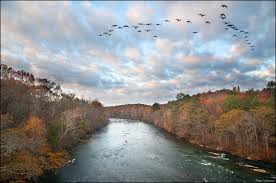
Third Grade has been studying conservation and pollution this week. We learning about point source and non-point source pollution, and demonstrated how it affects our water ways. The Chattahoochee River was recently named the "Most Endangered River" by the American Rivers Association(http://www.americanrivers.org/). Next up we'll be learning what we can do to help!
[envira-gallery id="1146"]
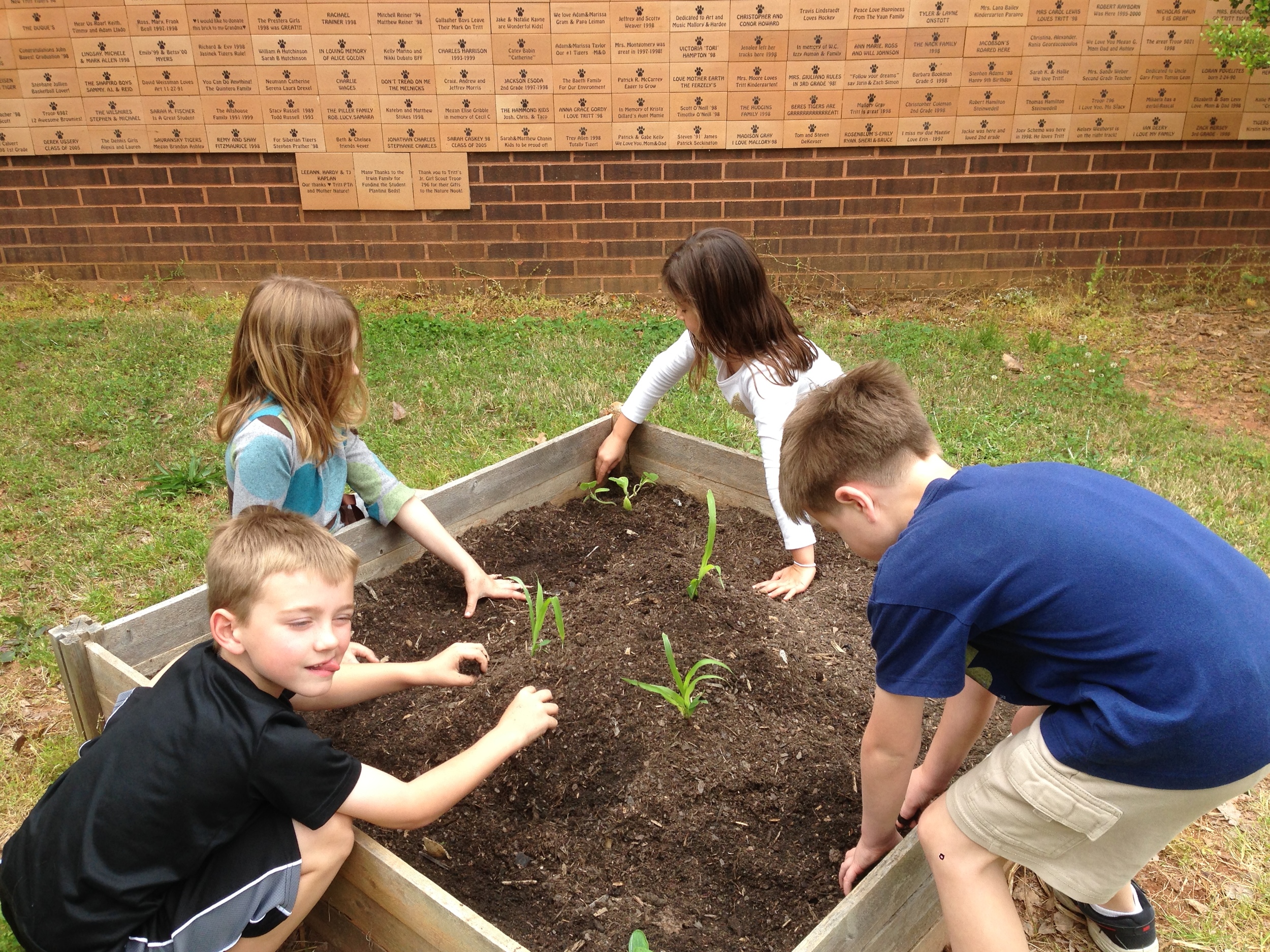
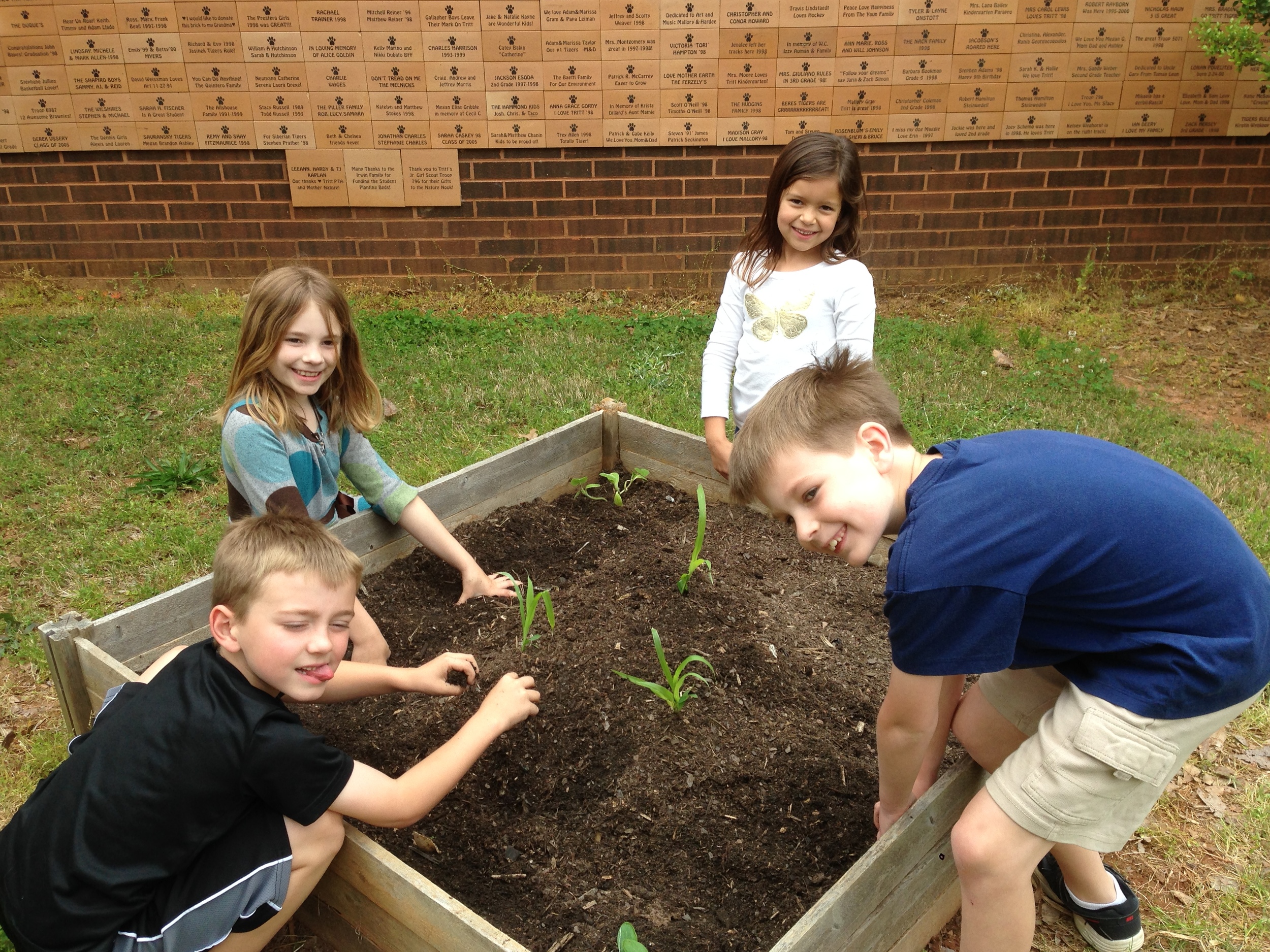
Three Sisters Garden
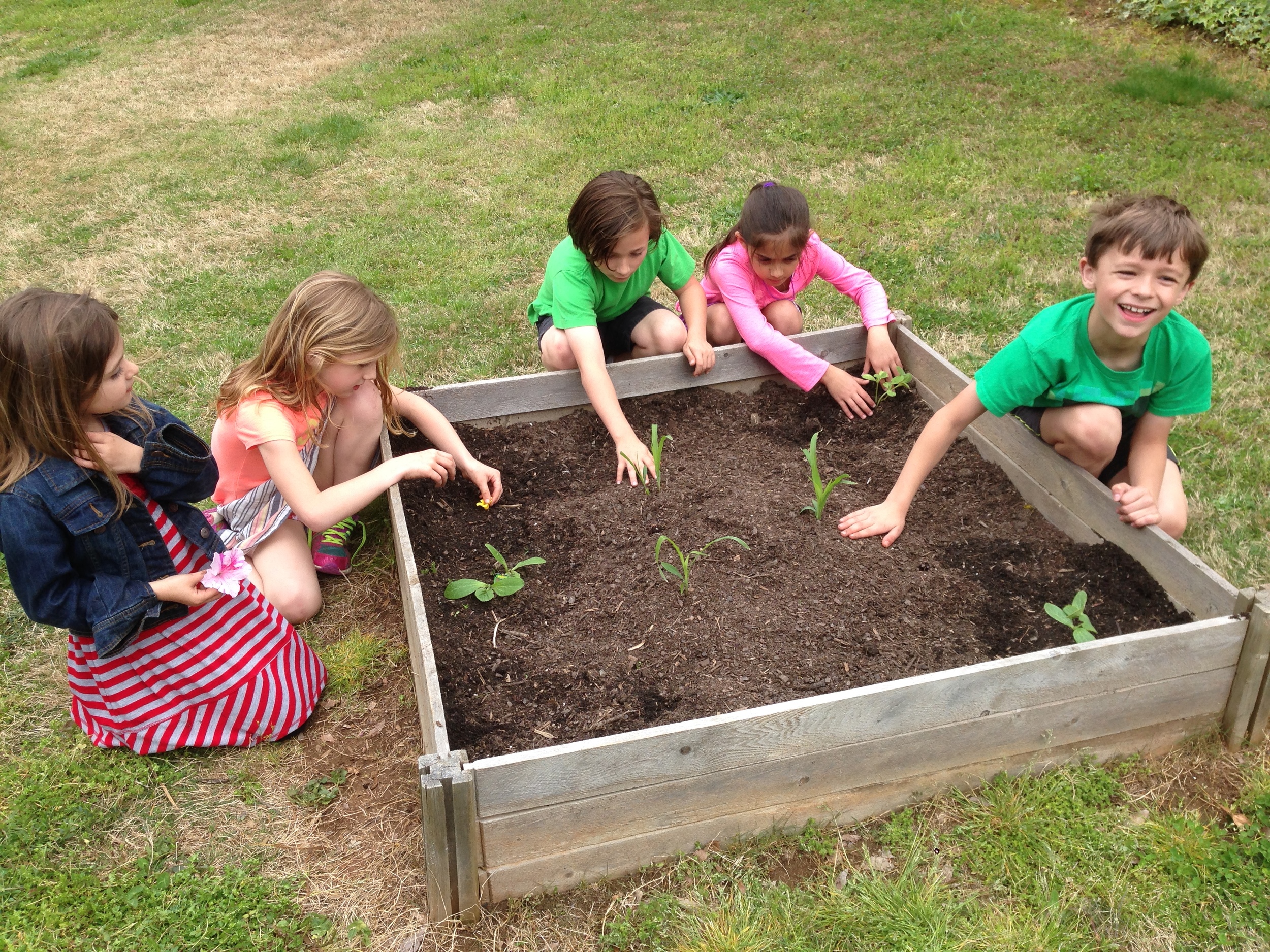
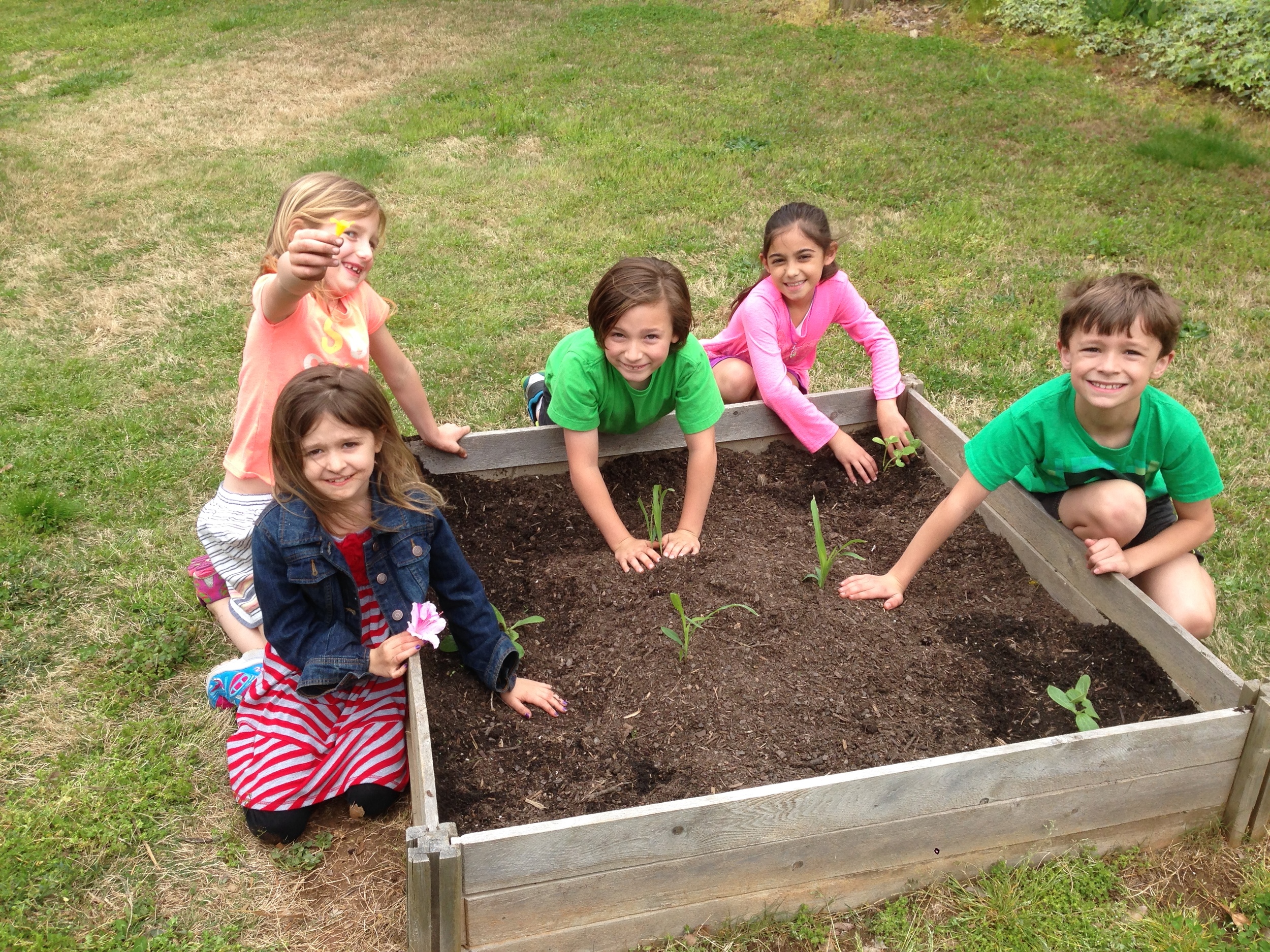
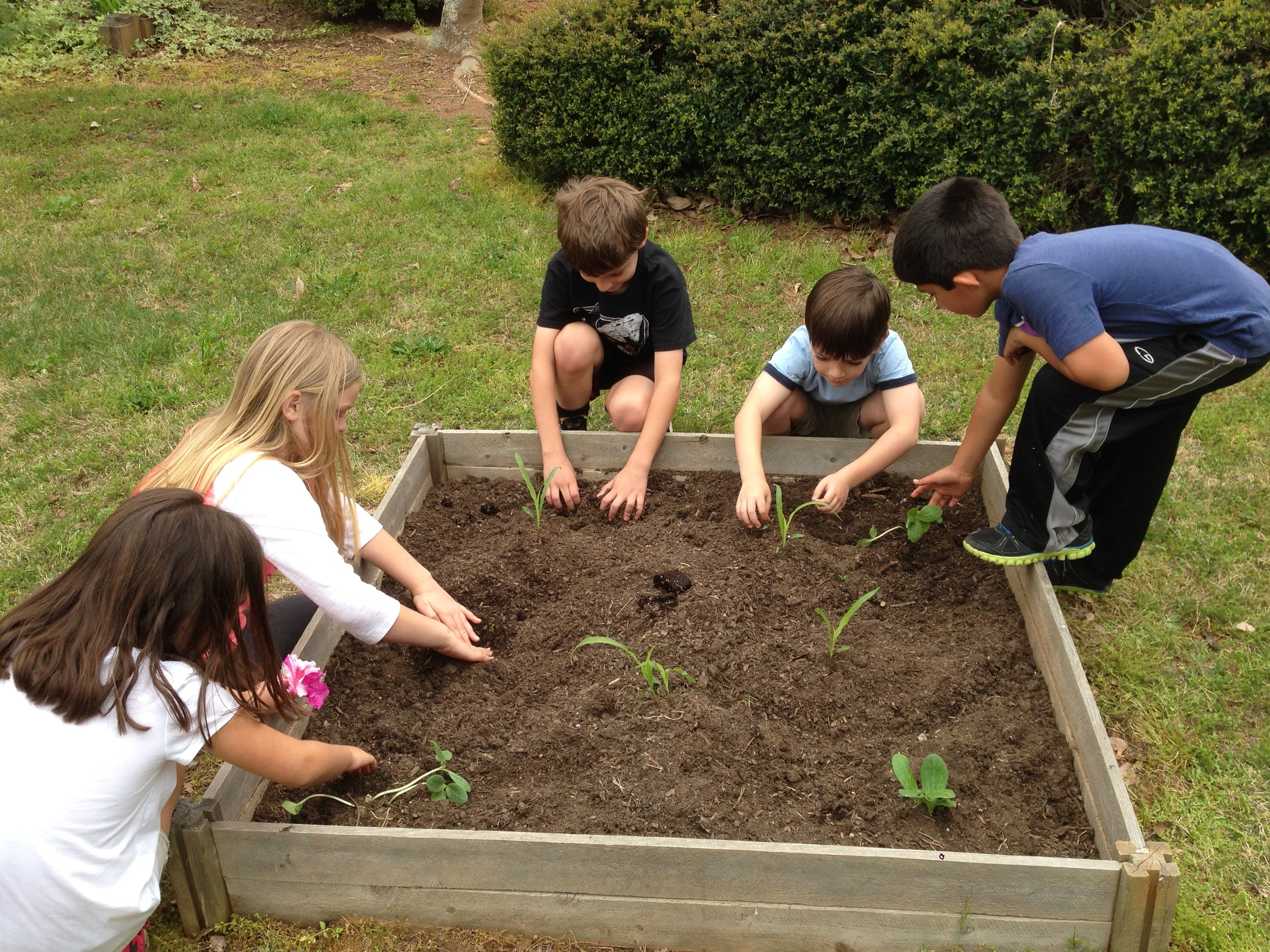
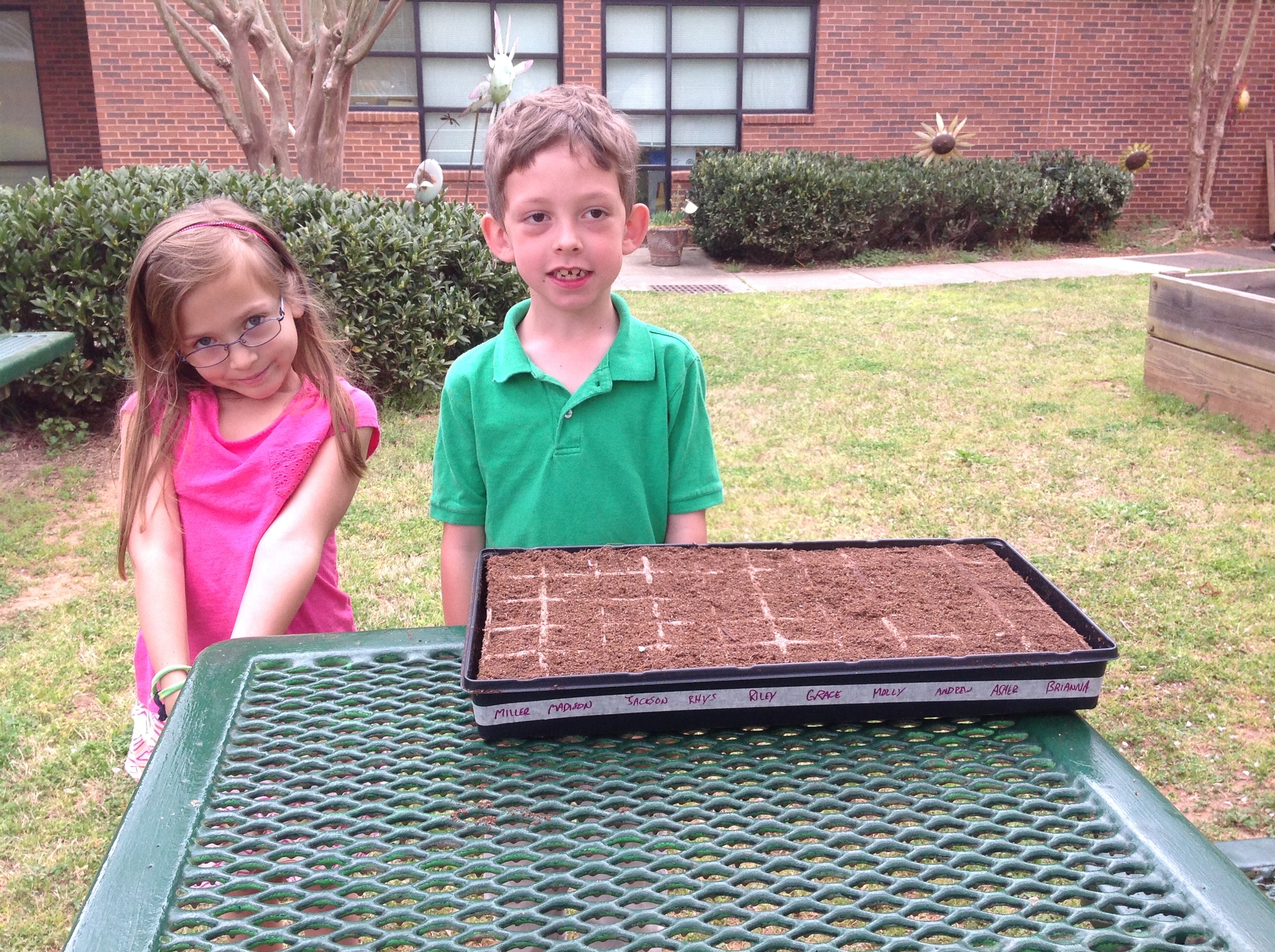
The Green Club kids planted a Three Sisters Garden this week after-school. [embed]https://youtu.be/Fx9CDVkN9xU?list=PLc-Z9AAiD1N9U4W5t8Ohc2u5xumHMRR69[/embed]
Several different Native American tribes refer to corn, beans, and squash as the “three sisters,” because they grow well together in the same mound of soil. The corn stalk provides a ladder or trellis for the bean vines to climb. The beans help make the soil better for the corn and squash. Their vines also keep the corn stalk steady when there is a lot wind. The squash grows on the ground below the corn and beans. Its leaves shade the roots of the corn and bean and help keep the soil from drying out when it is hot. The shade of the squash leaves also discourages weeds from growing near the three sisters plants (good, since weeds compete with other plants for the nutrients in the soil). In addition, the prickly hairs on the stems of the squash plant discourage bugs, raccoon, and other pests that would damage the corn and beans.

Classroom volunteers needed for 1st Grade.
First grade has been studying plants all semester in Science Lab. We have also looked at form
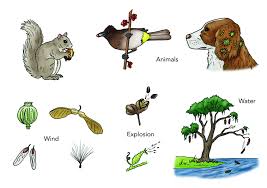
(something's shape) and function (what something does). Lastly, we read Jerry Pallotta's Who Will Plant A Tree? and saw how different animals help disperse, or spread, seeds in nature. From a camel spitting out a date and a squirrel burying an acorn, to a moose snagging pear branches in his antlers and other animals unwittingly carrying burrs in their fur, all sorts of animals help spread seeds.
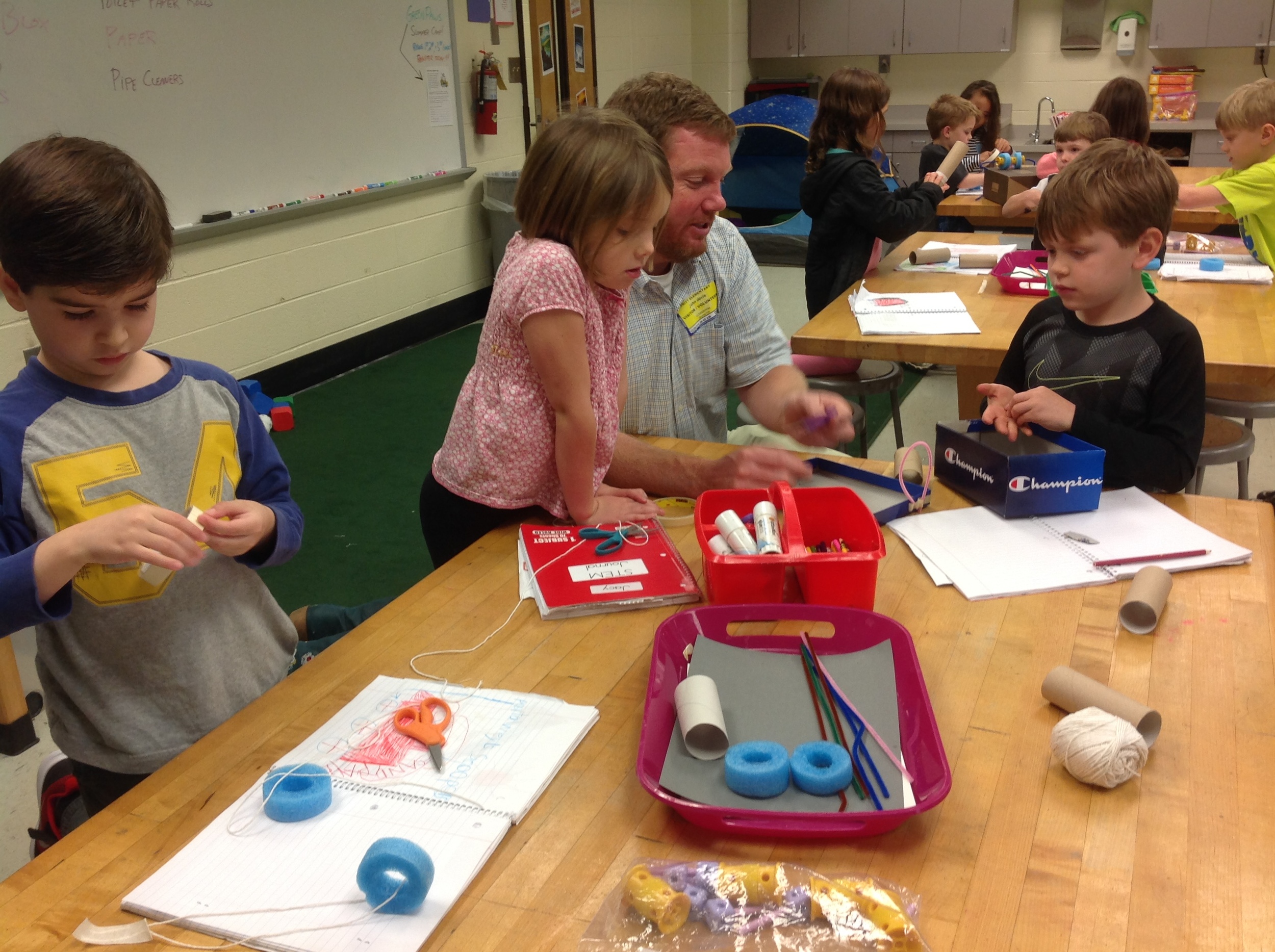
Beginning April 19th, parent volunteers are needed in the Science Lab to help assemble student craft projects. We are making devices from craft supplies, inspired from nature, to spread sunflower seeds around the school. Please contact your student's room mom to sign up!
The taxonomy of spoons. Sort of.
Mrs. Pizzuto's class is studying the characteristics of vertebrate animals by playing a card pass game that is a variation of "spoons". [embed]https://youtu.be/BDGdXeczAuY[/embed]
Mrs. Cervi's class is feeling the heat!
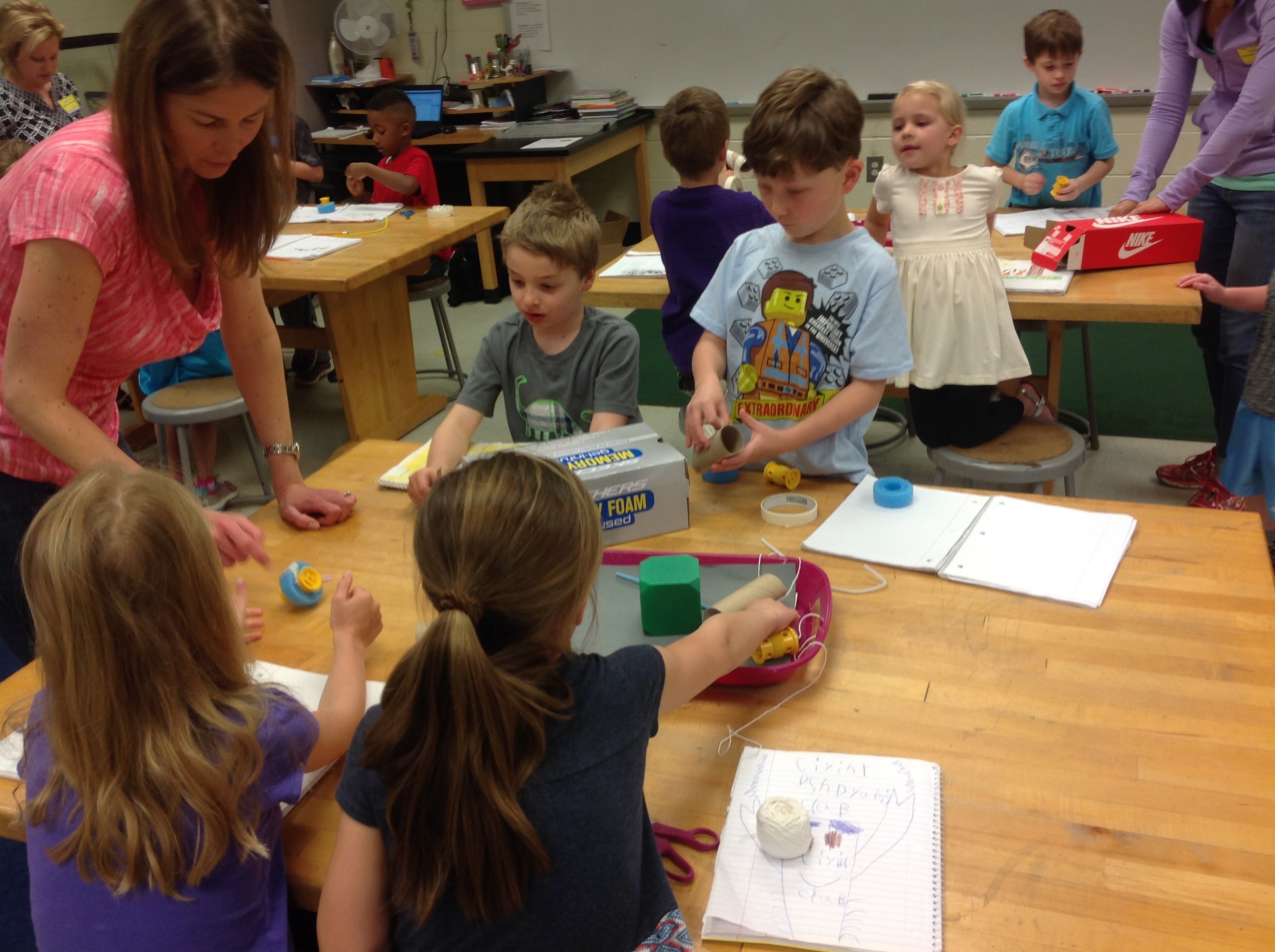
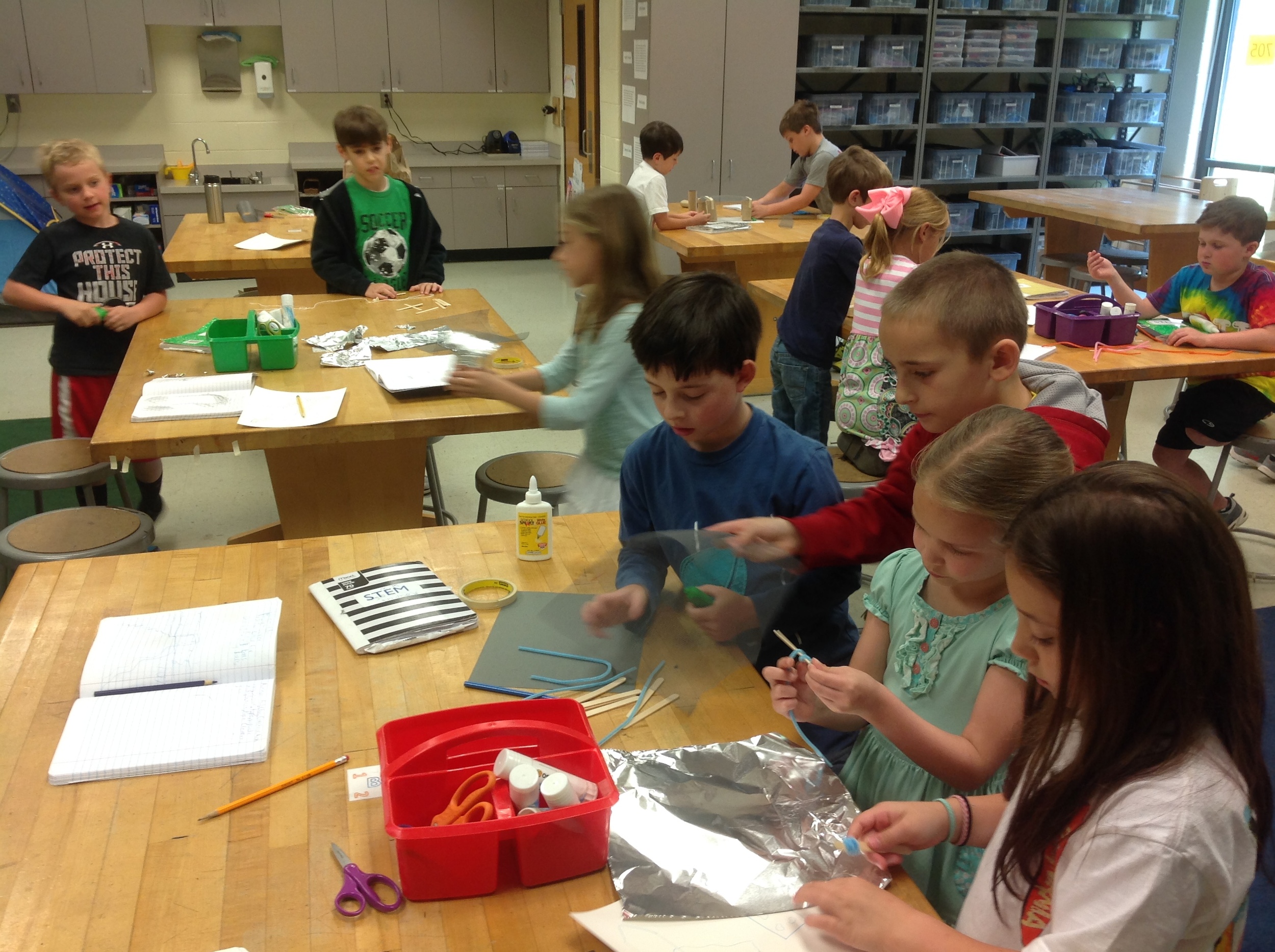
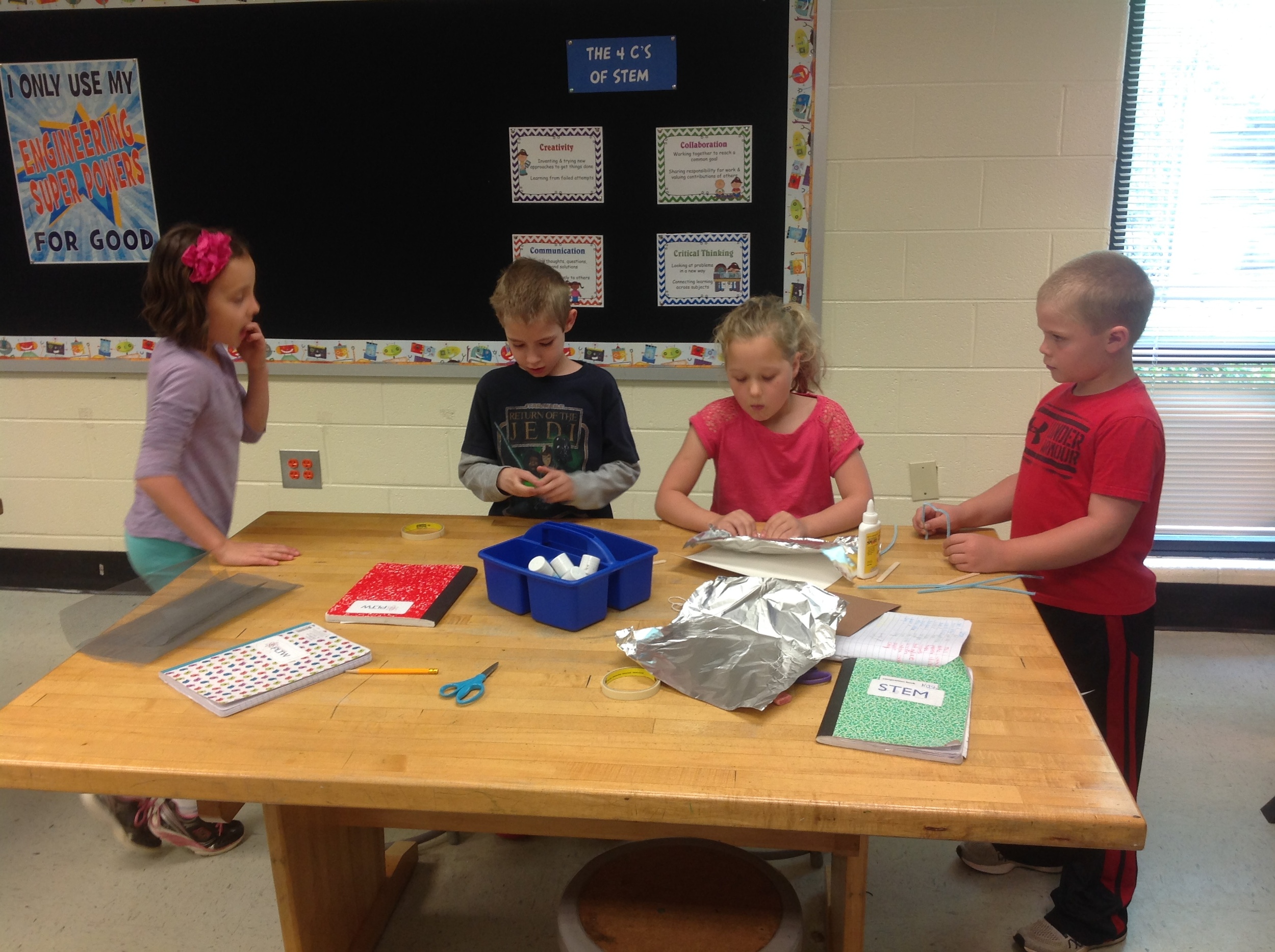
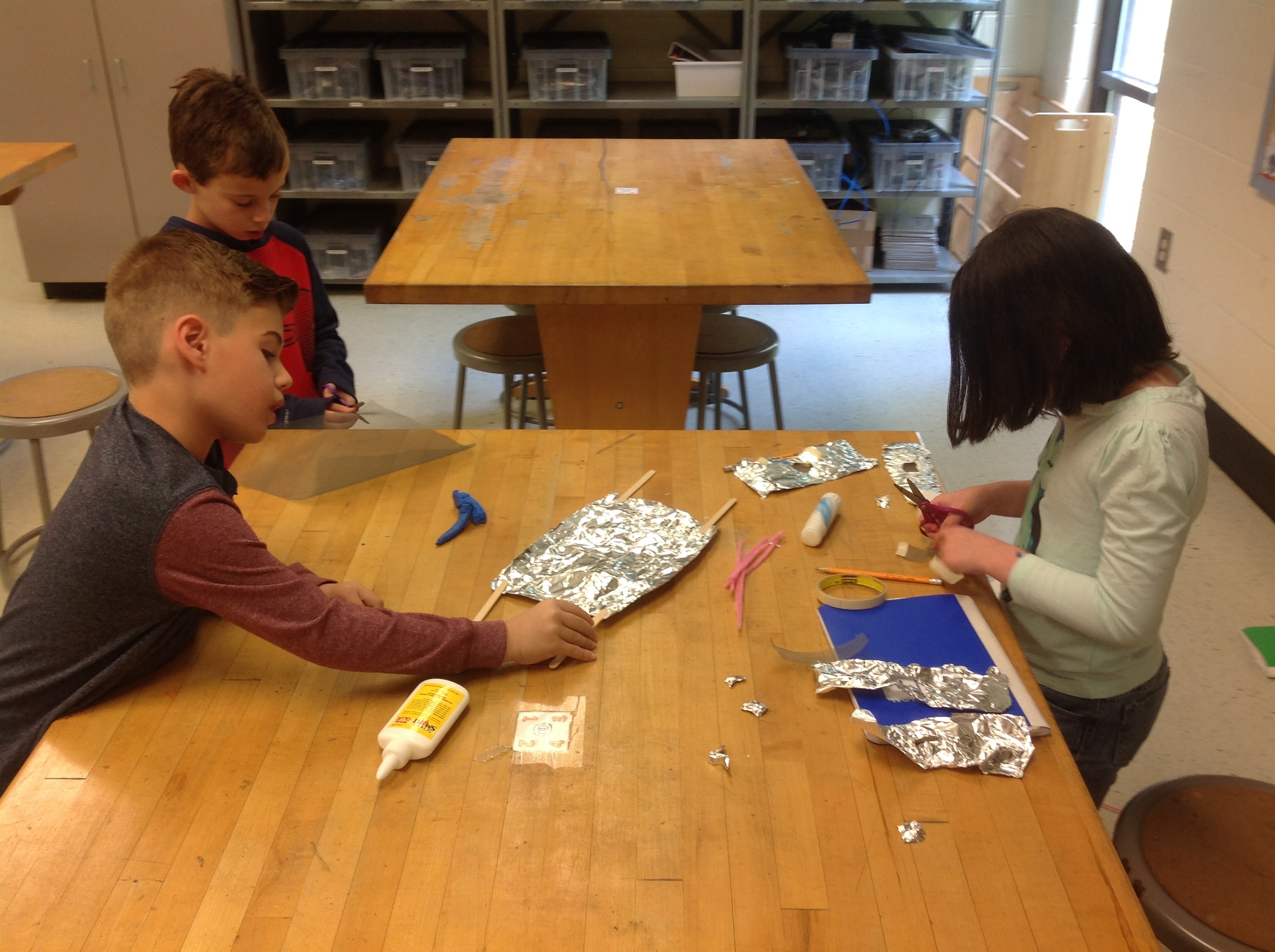
Our 2nd graders have been studying the patterns of the sky and are looking forward to building a model structure to keep the sun off our playground during the hottest parts of the day.

Compound Machine Build Out: DeMeester

Compound Machine Build Out: Eichler

Compound Machine Build Out: Kappel

Oh RATS!!!
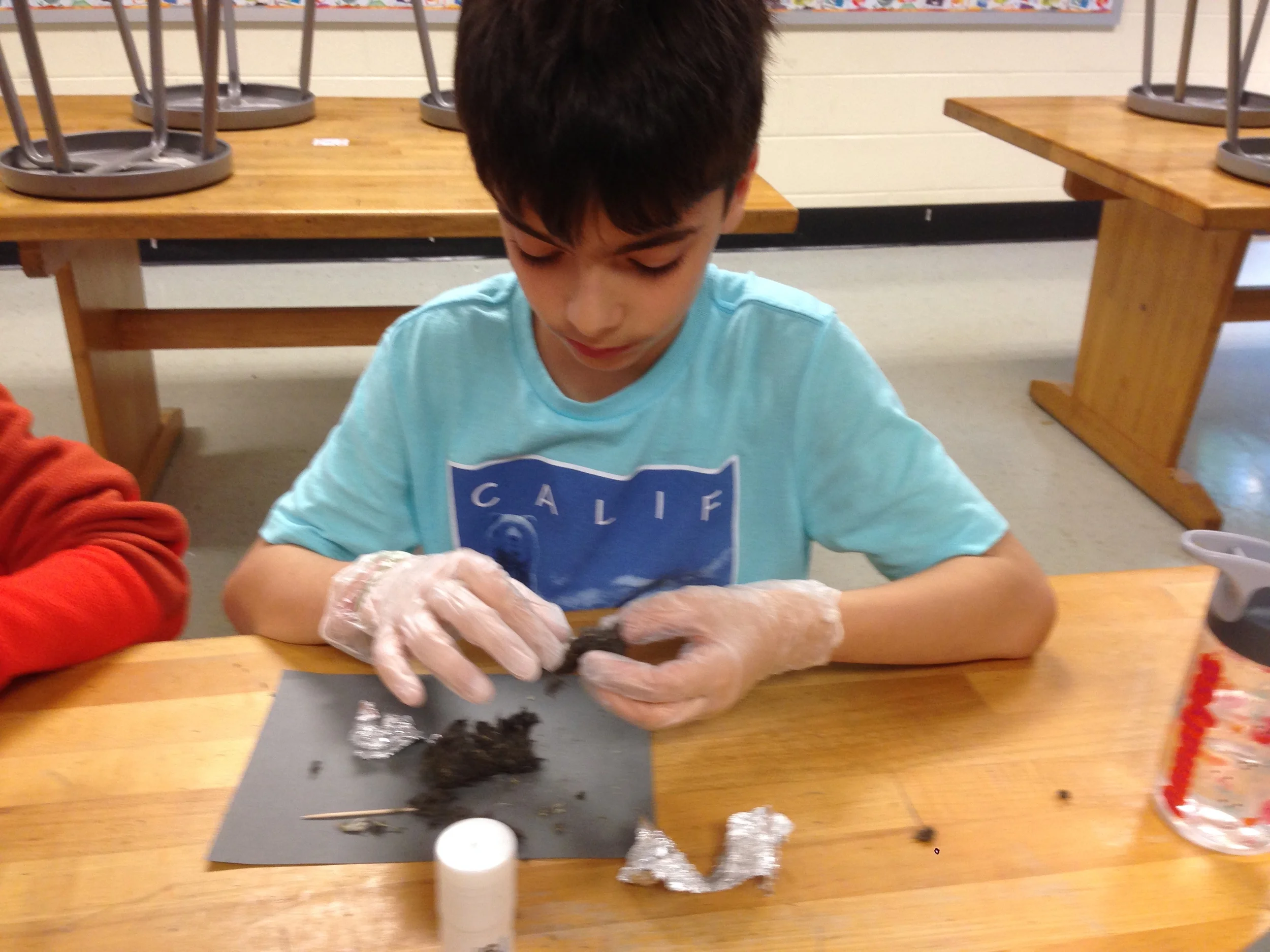
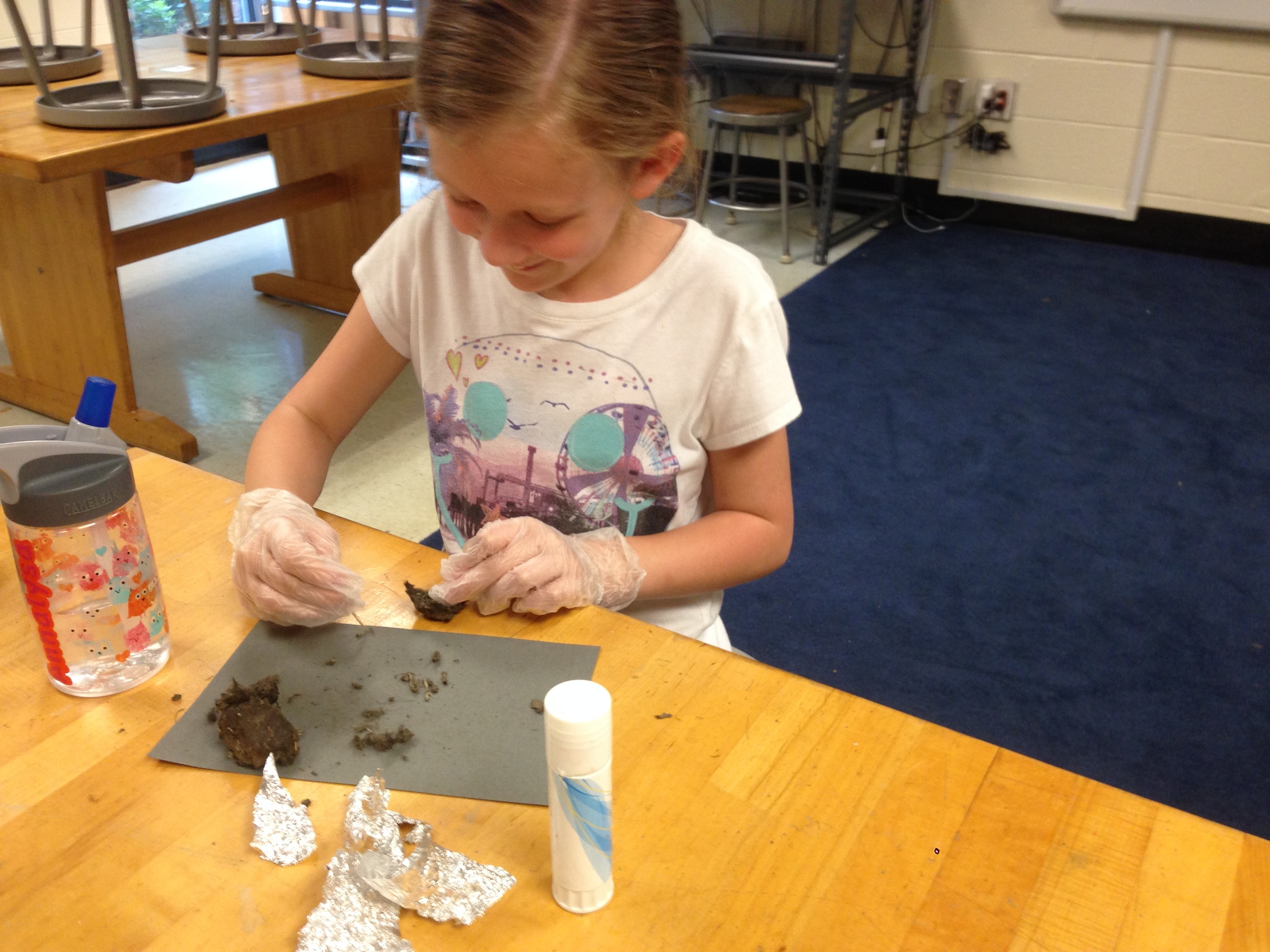
This week the Science Detectives dissected owl pellets! Learn more about Owls here: [embed]https://youtu.be/oWQ6KSBwRoM[/embed]
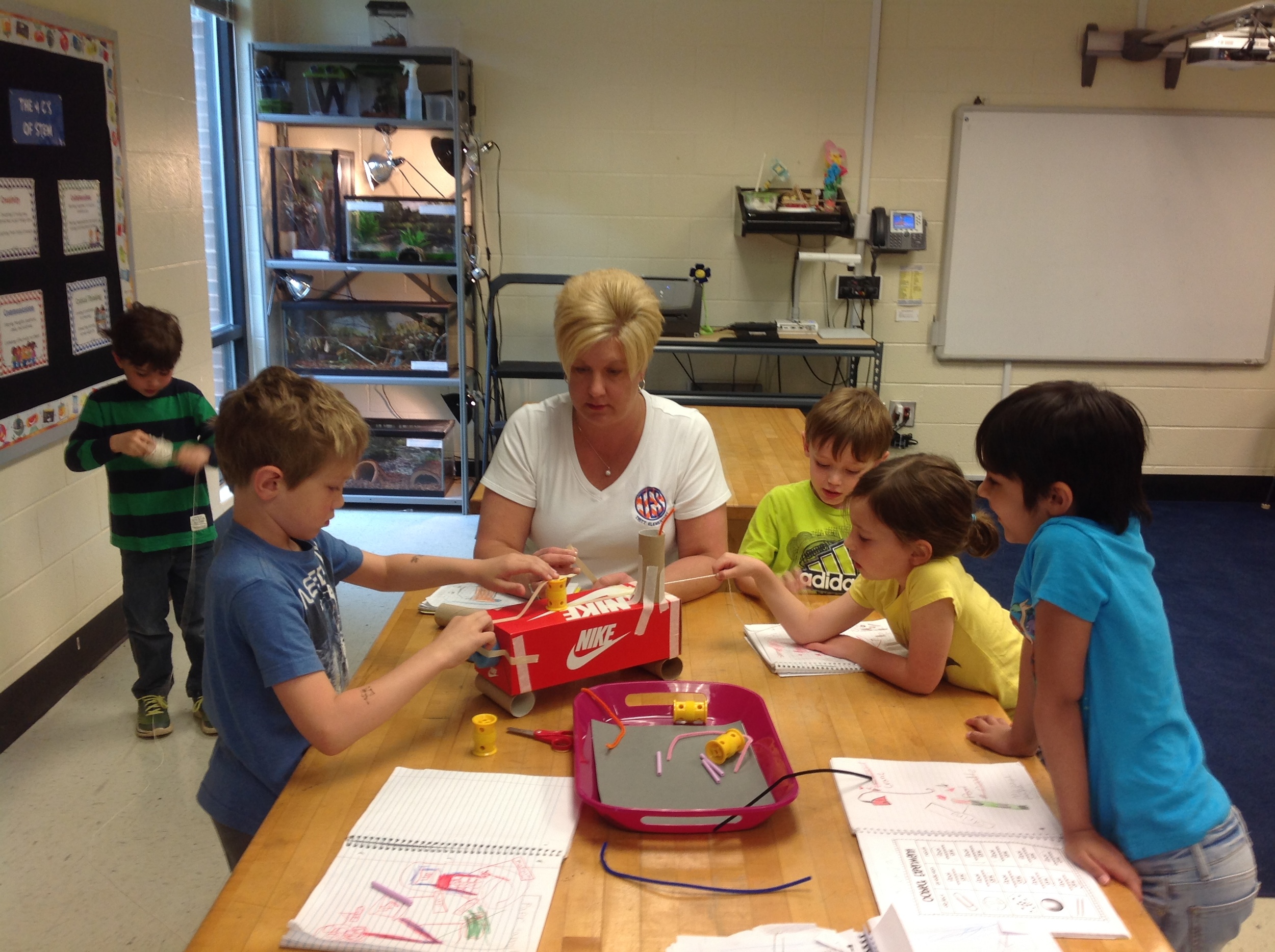
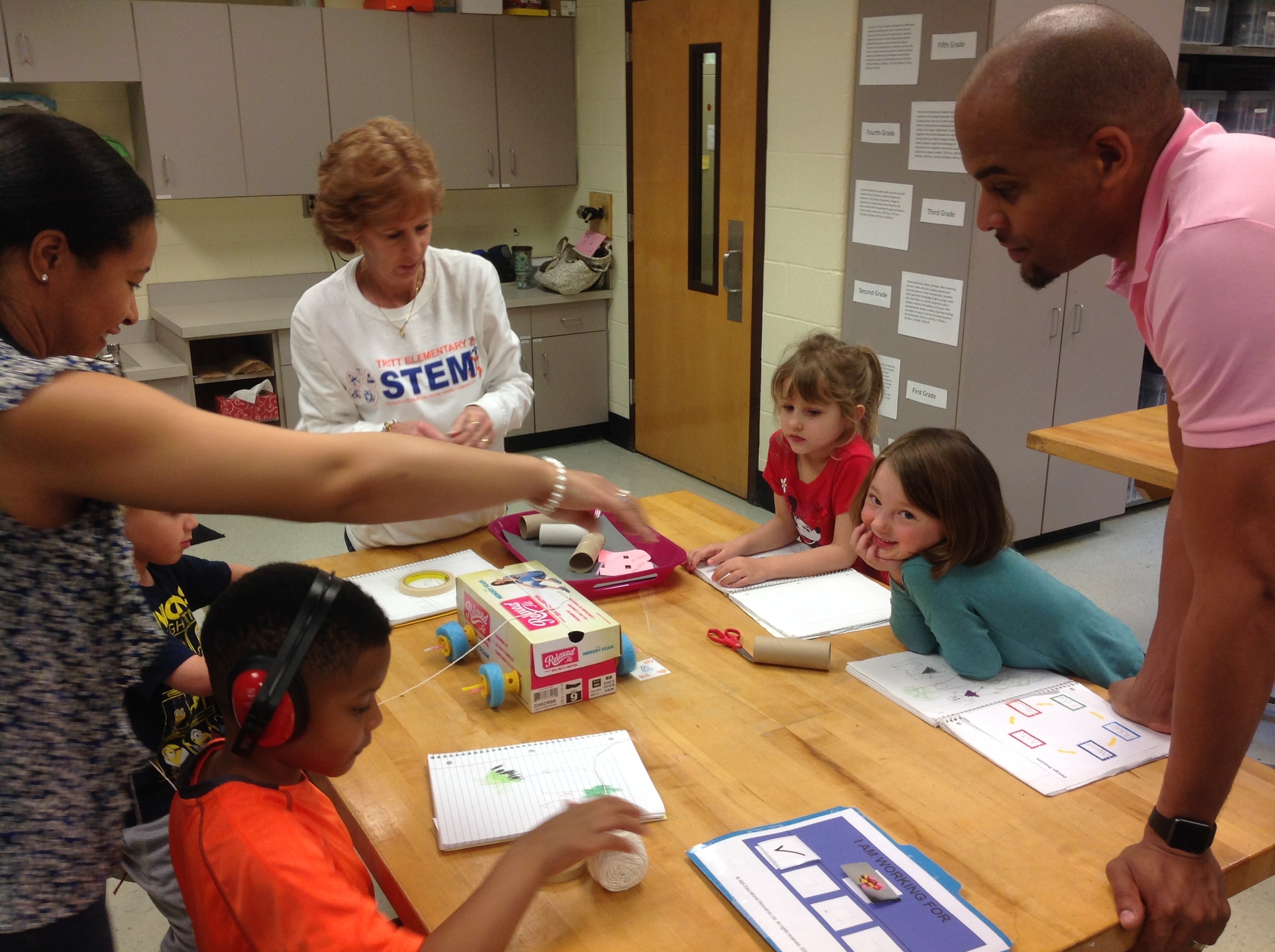
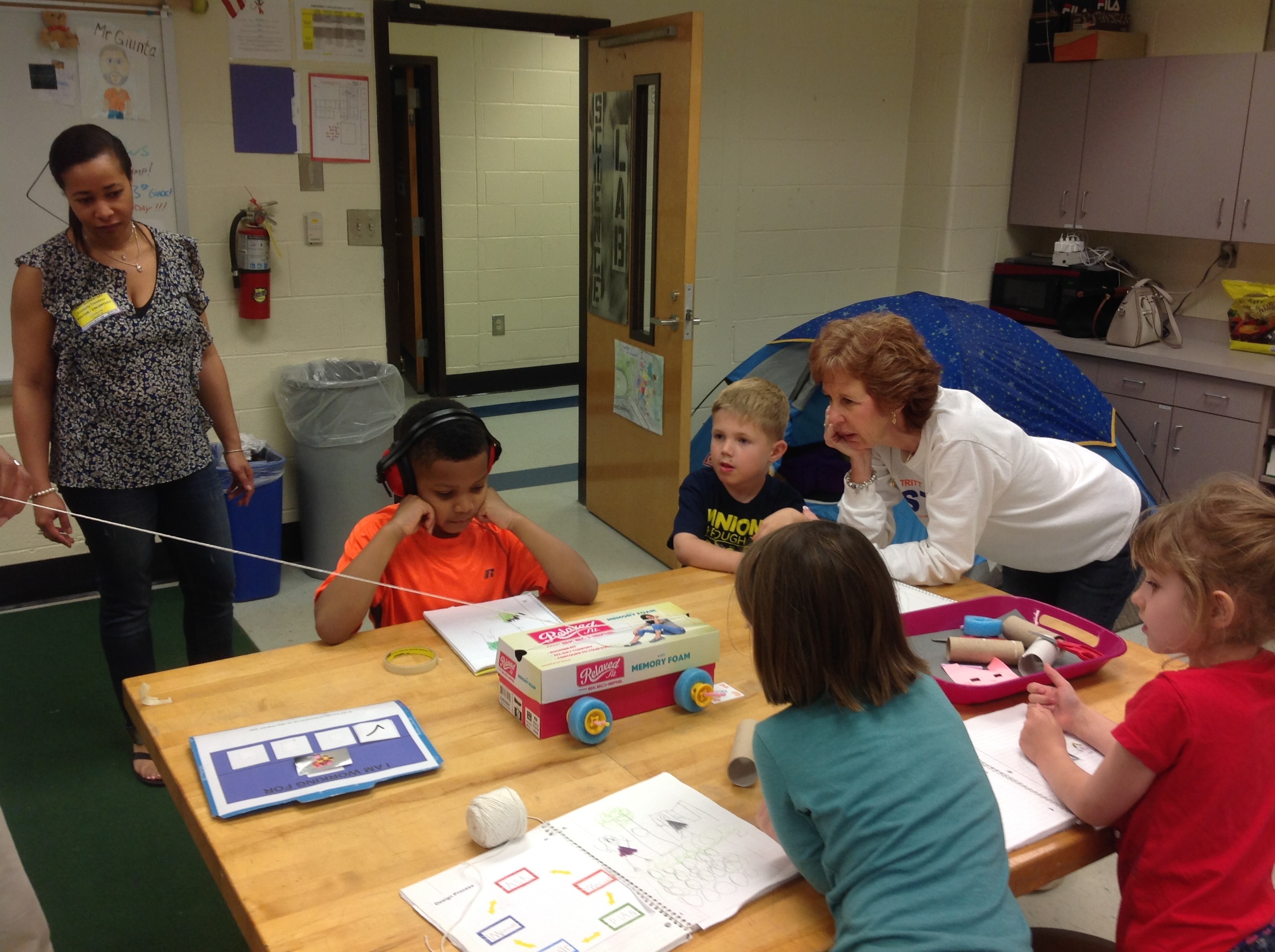
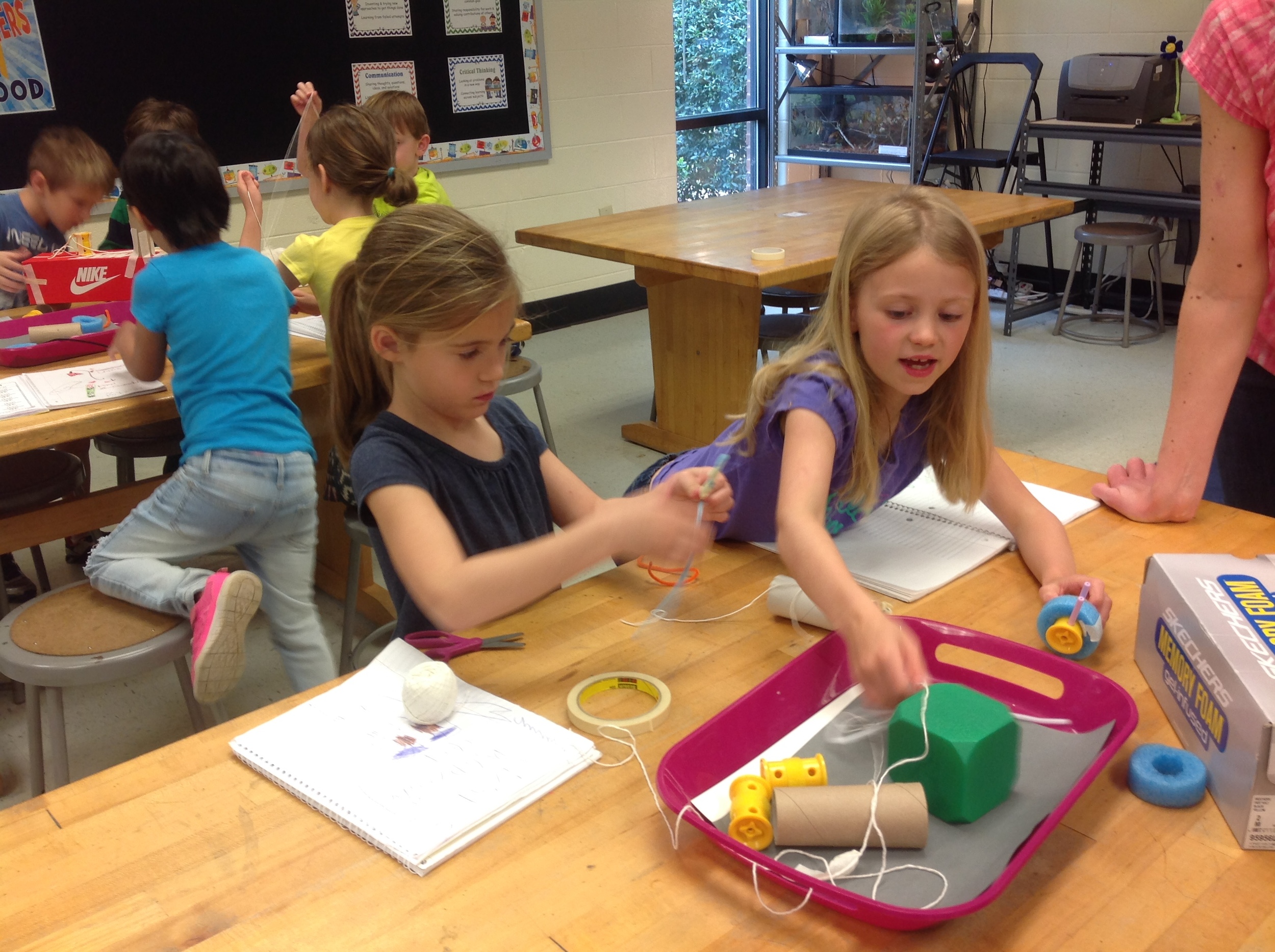
Pushes & Pulls: Garrett
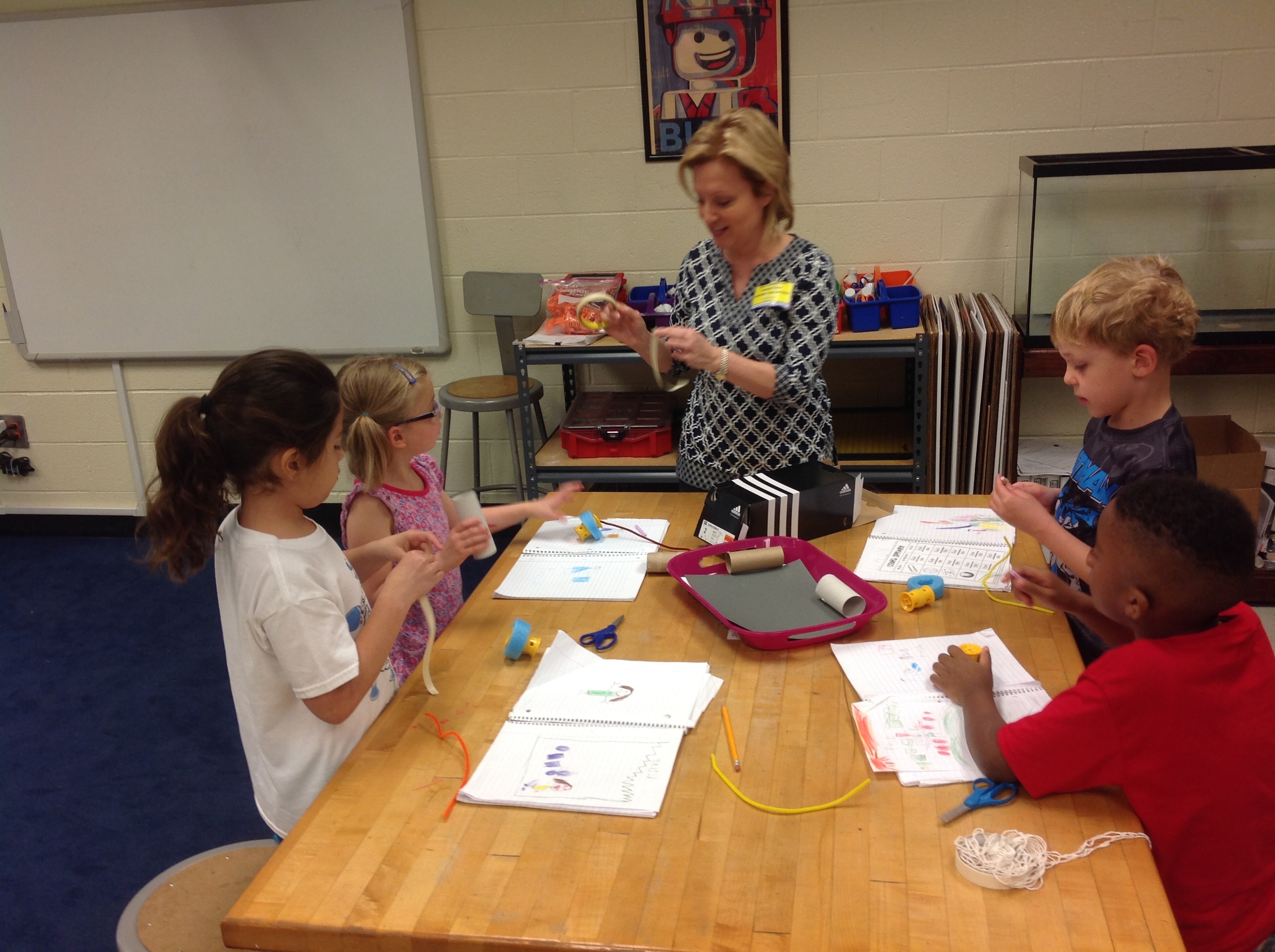
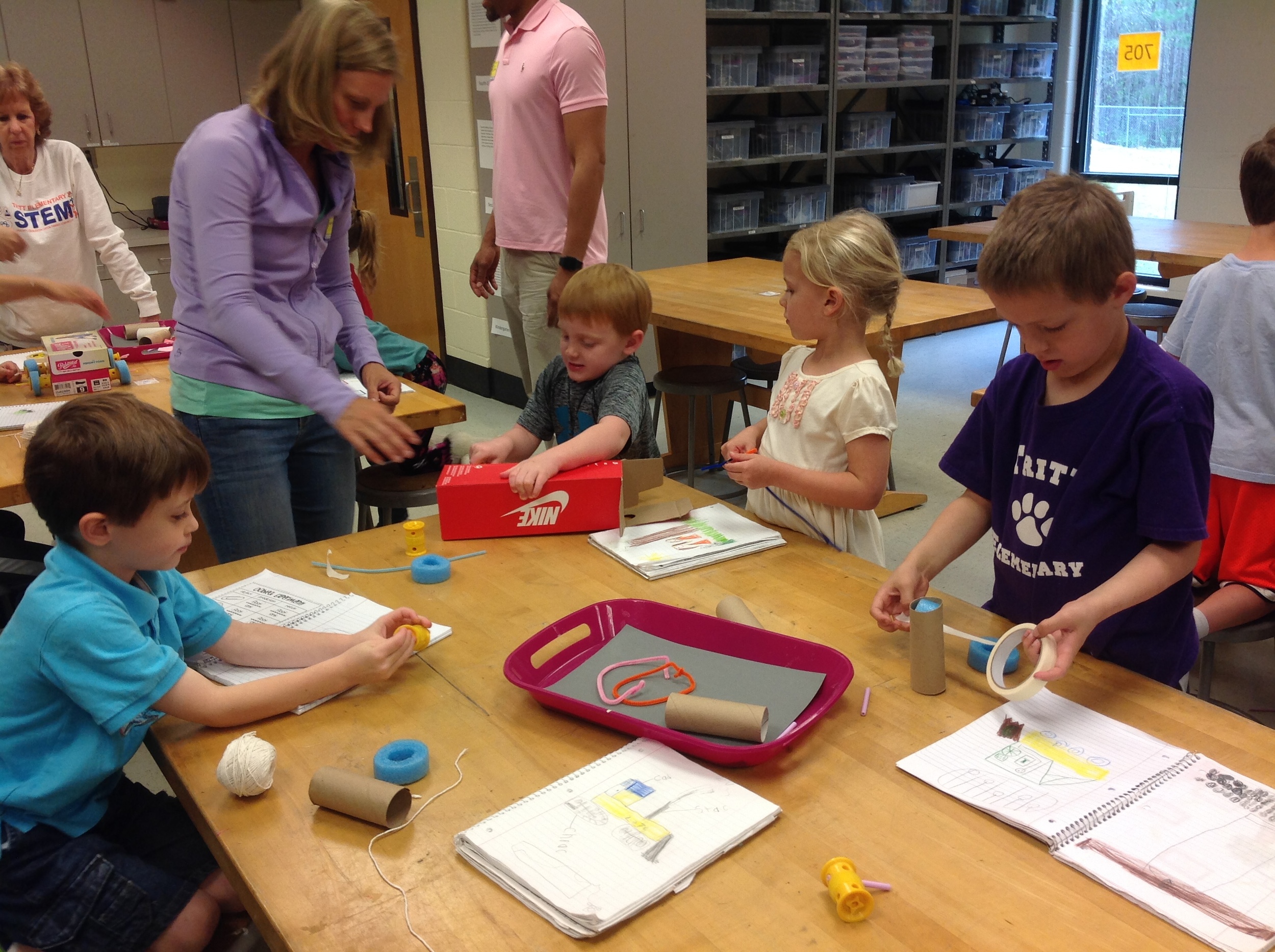
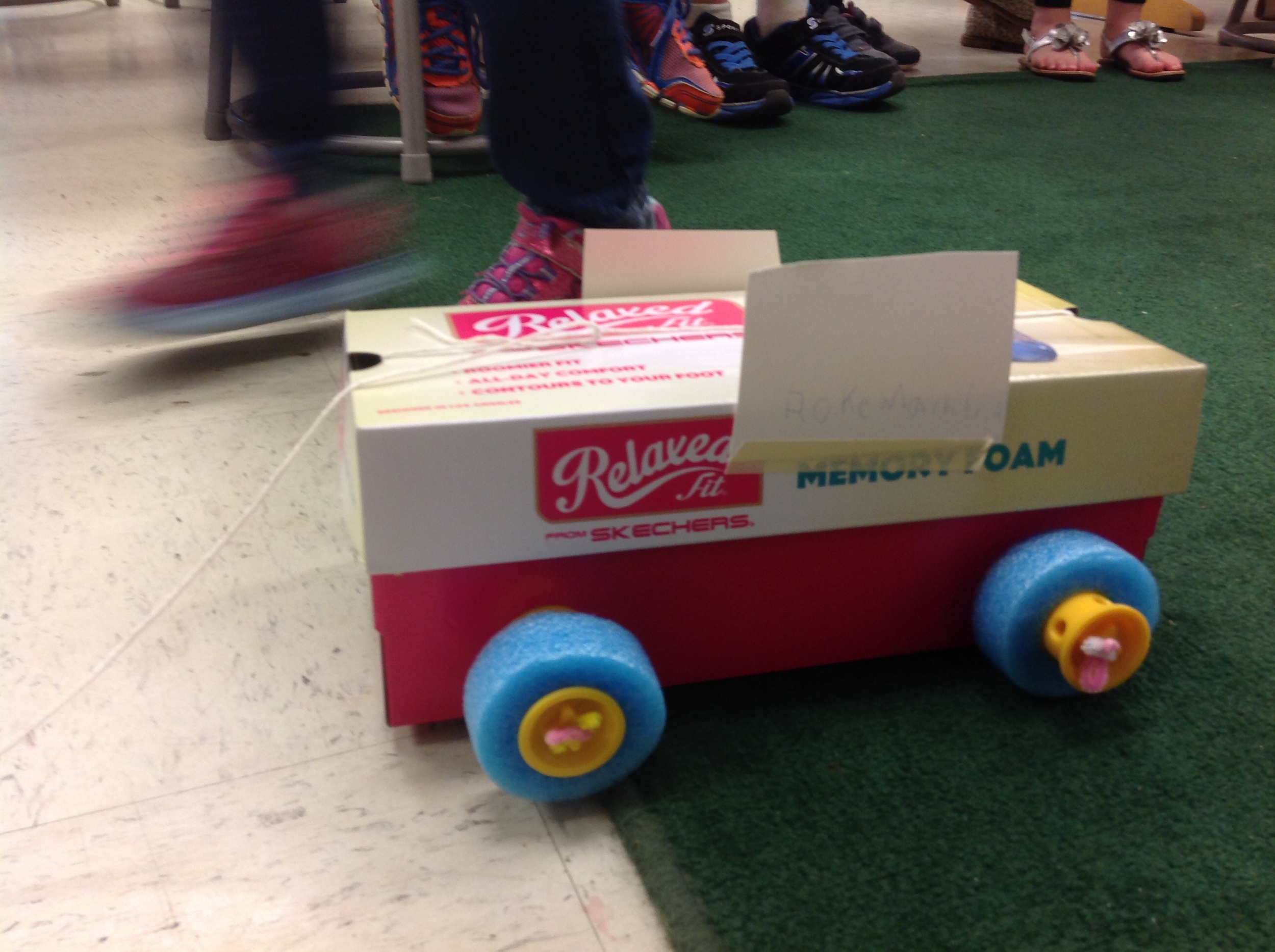
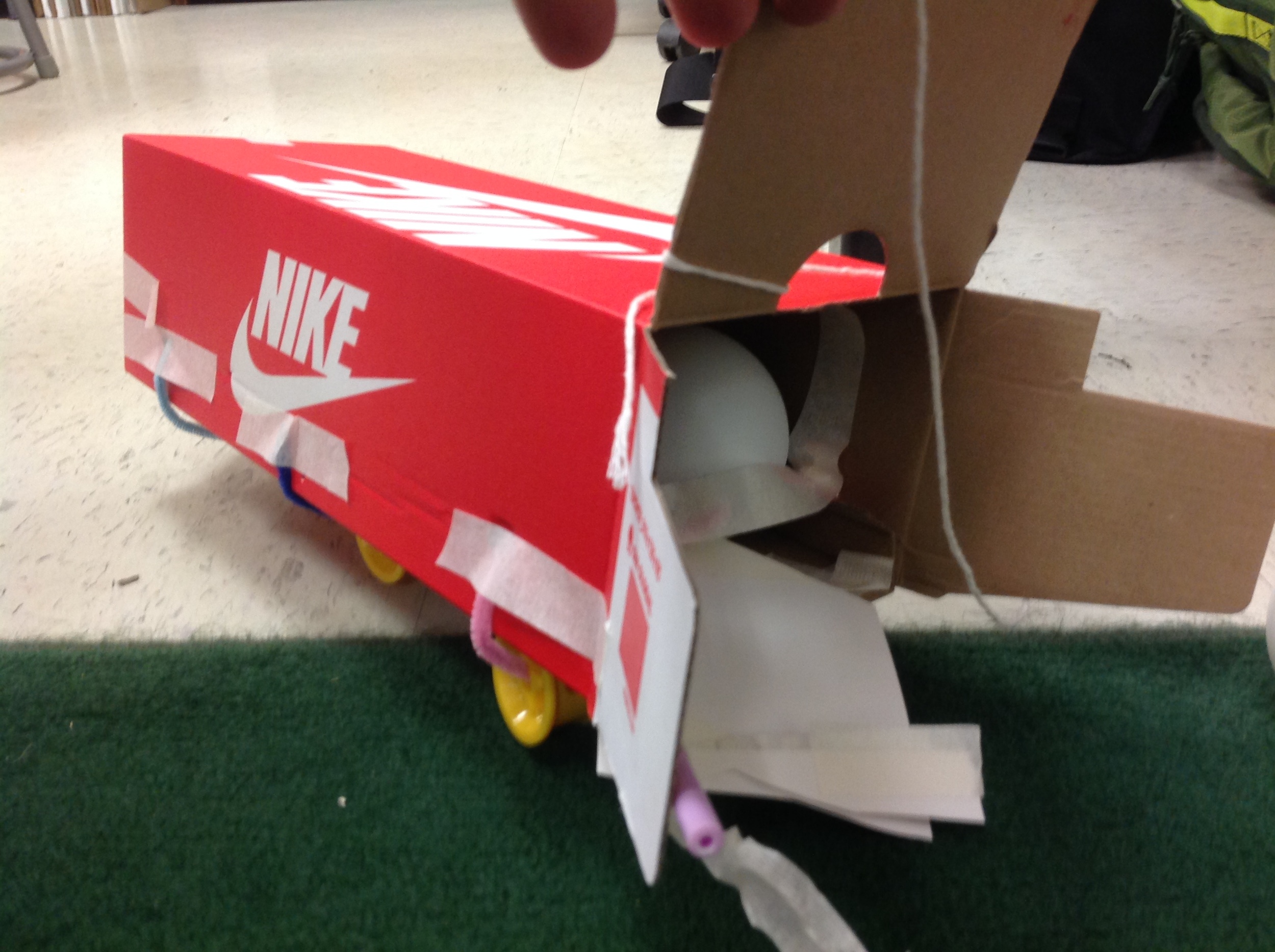
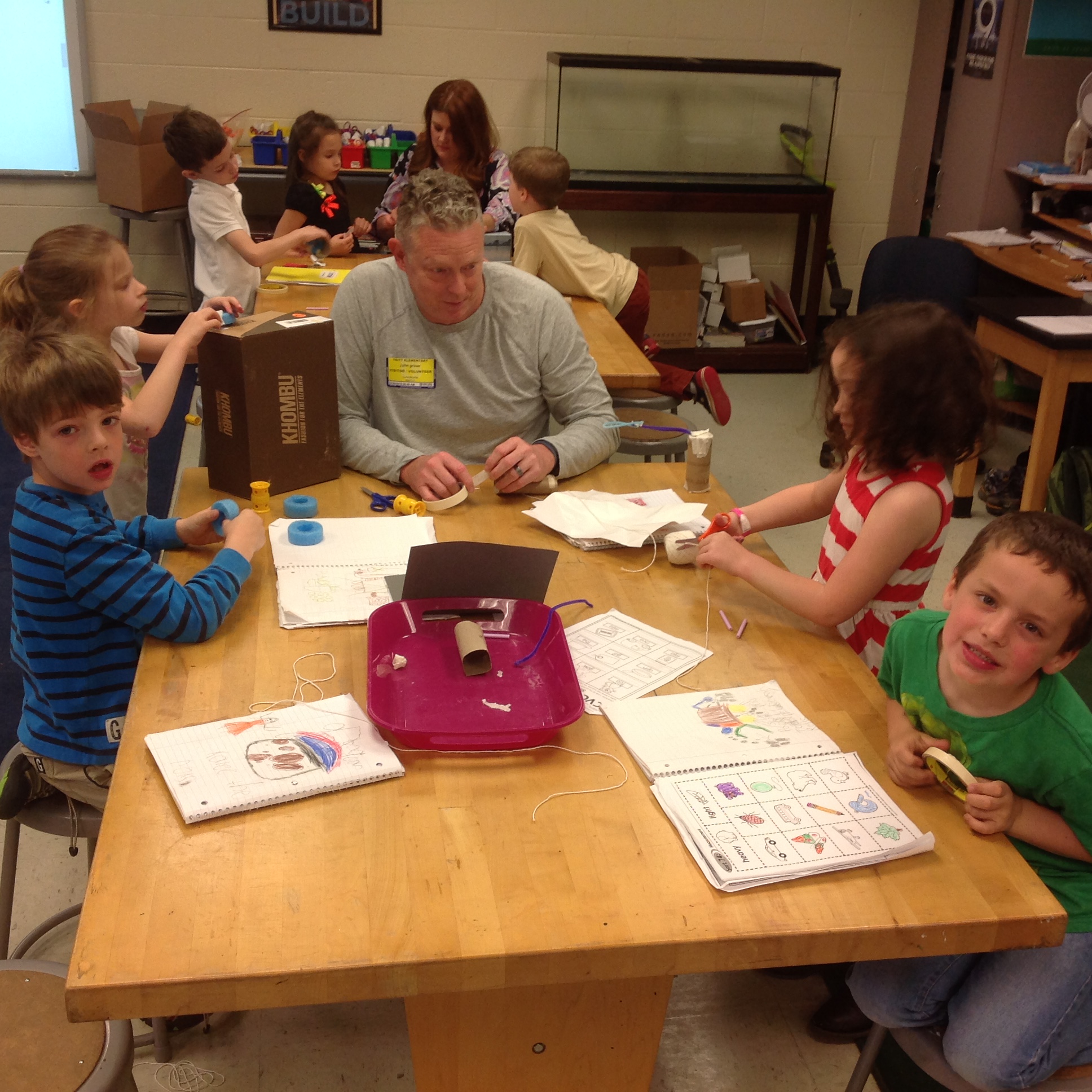
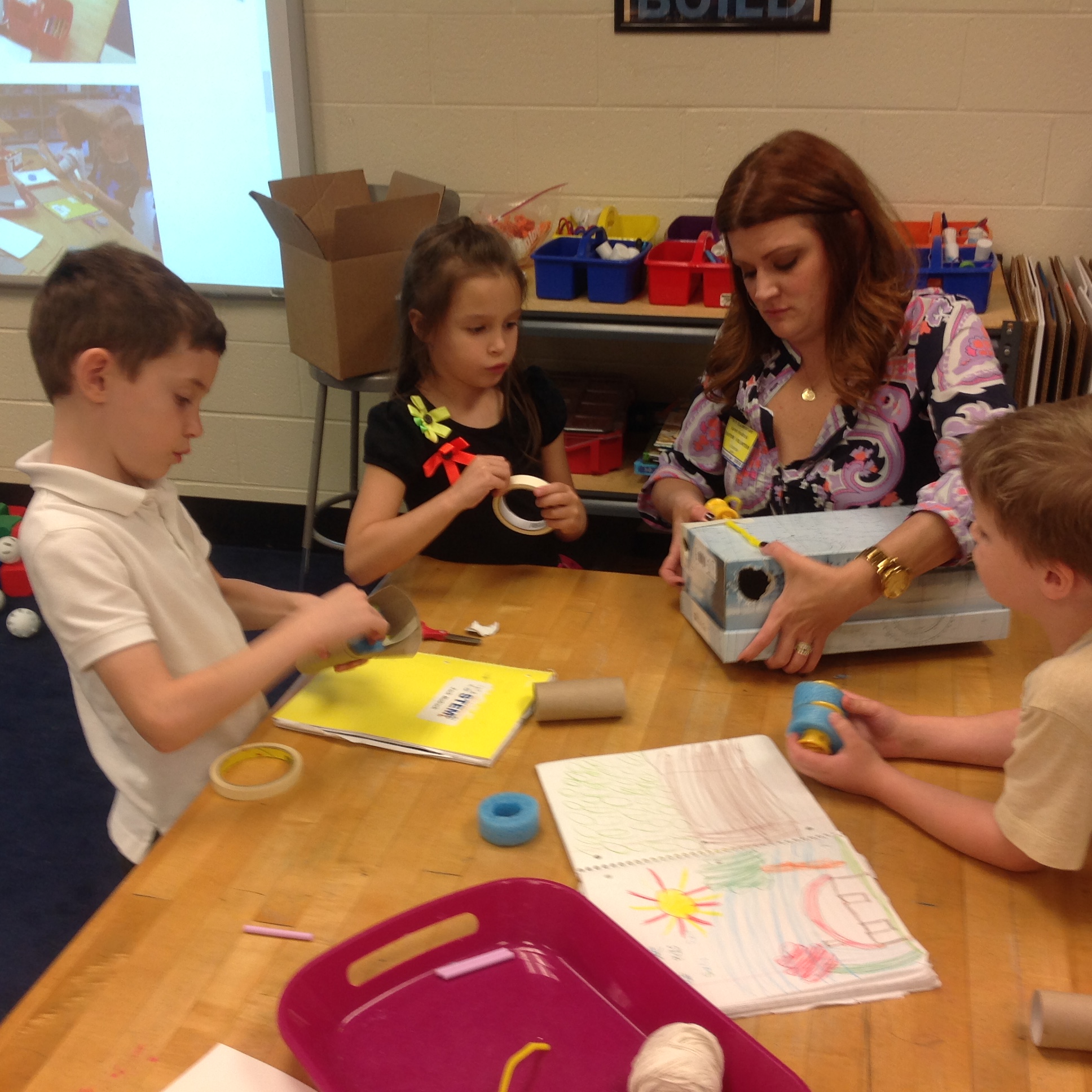
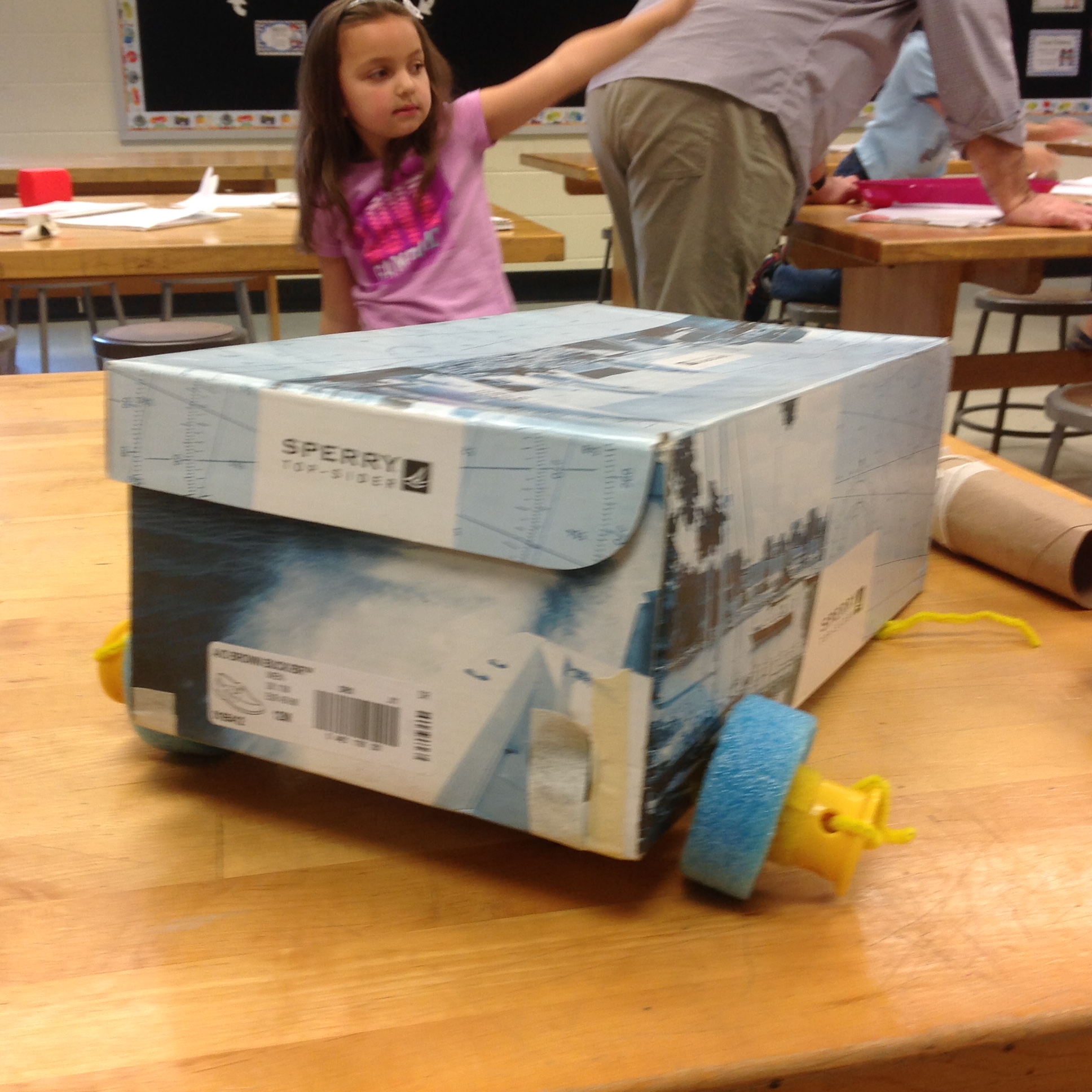
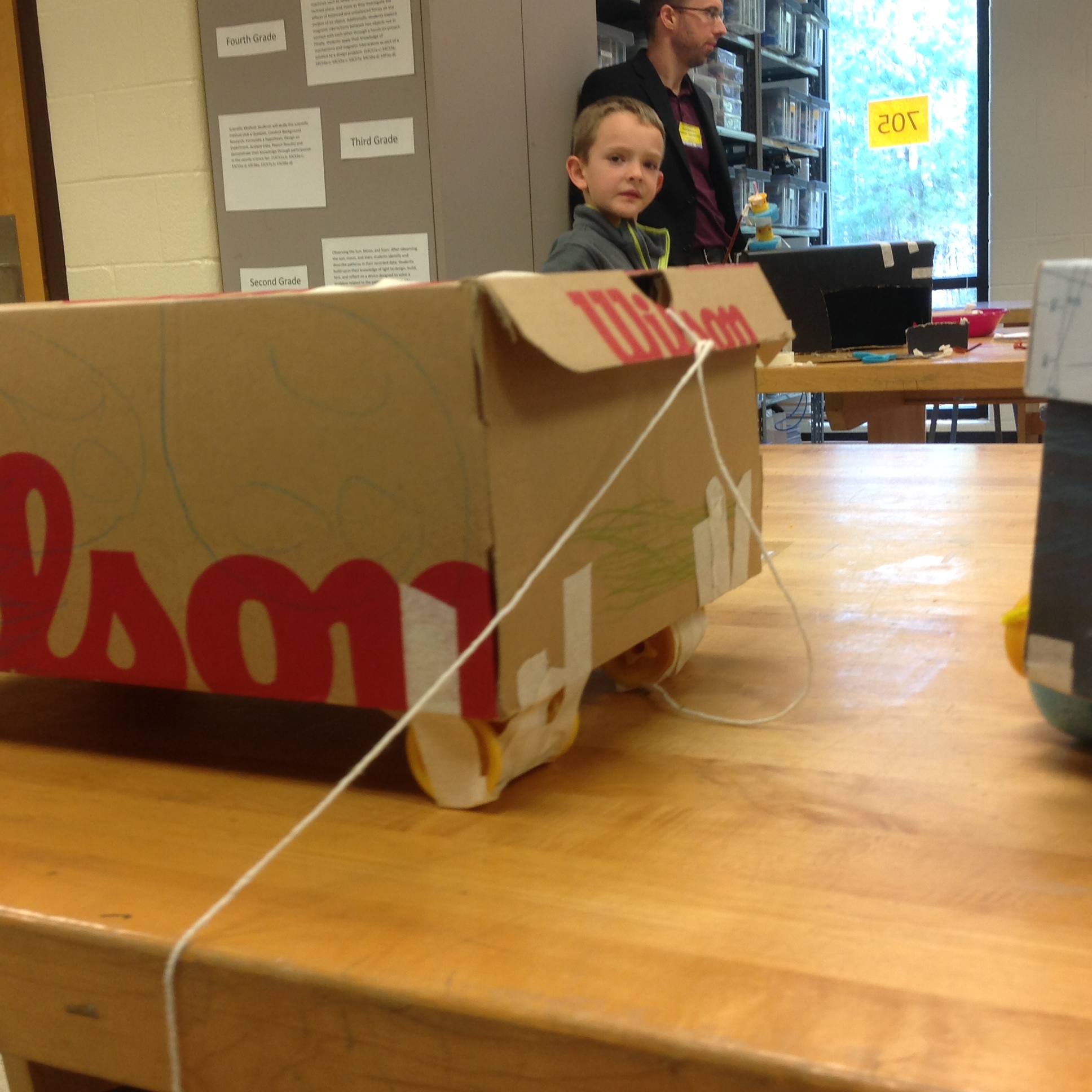
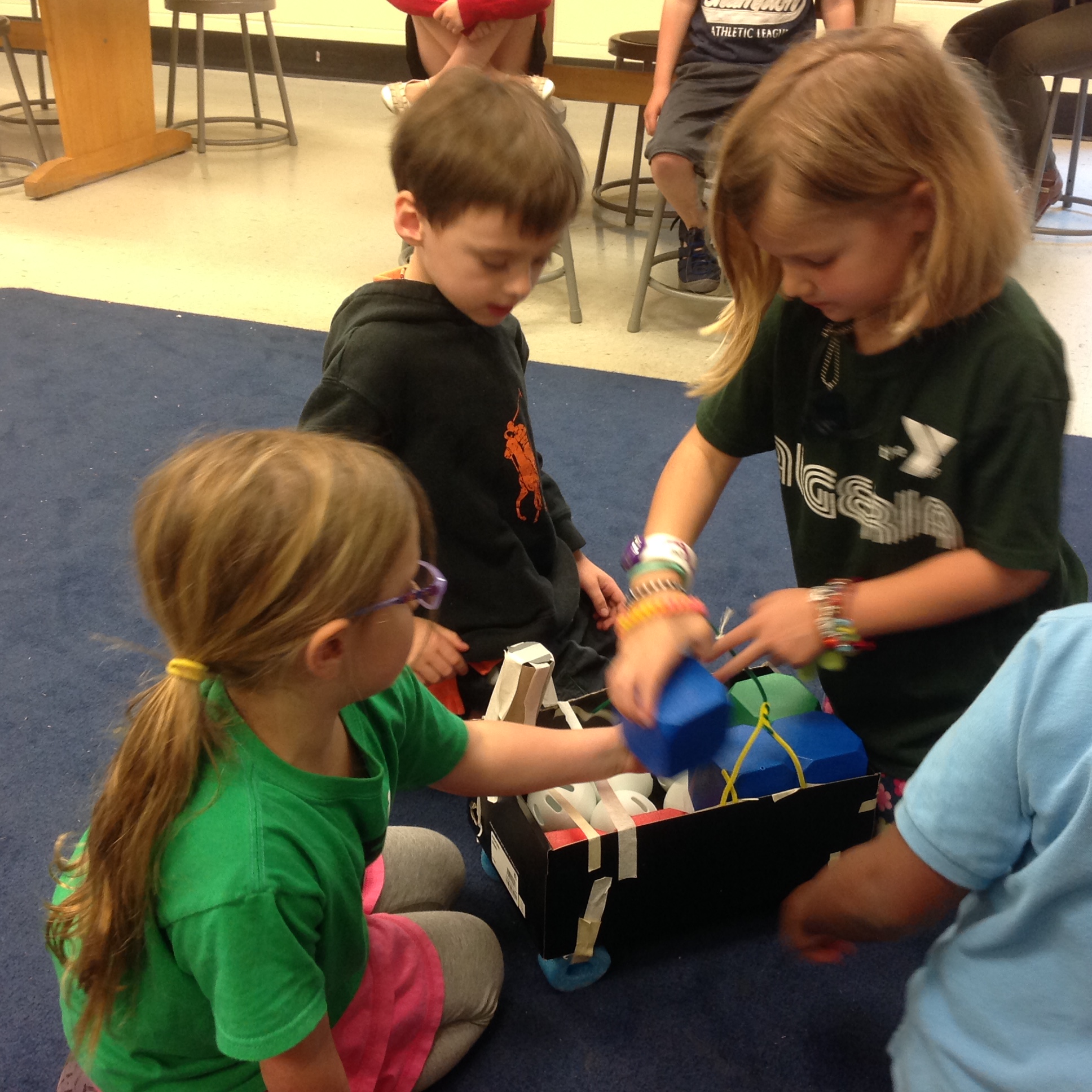
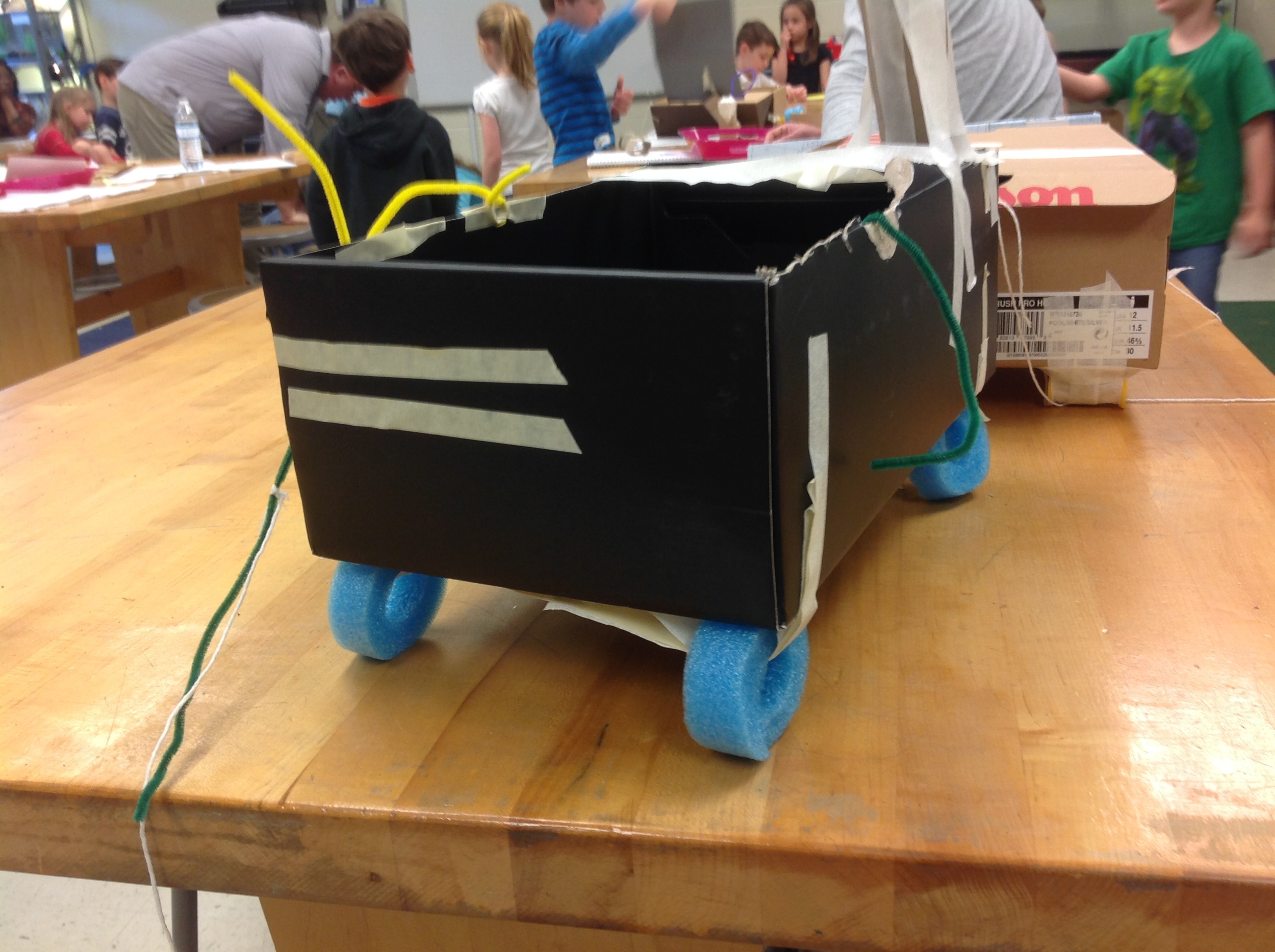
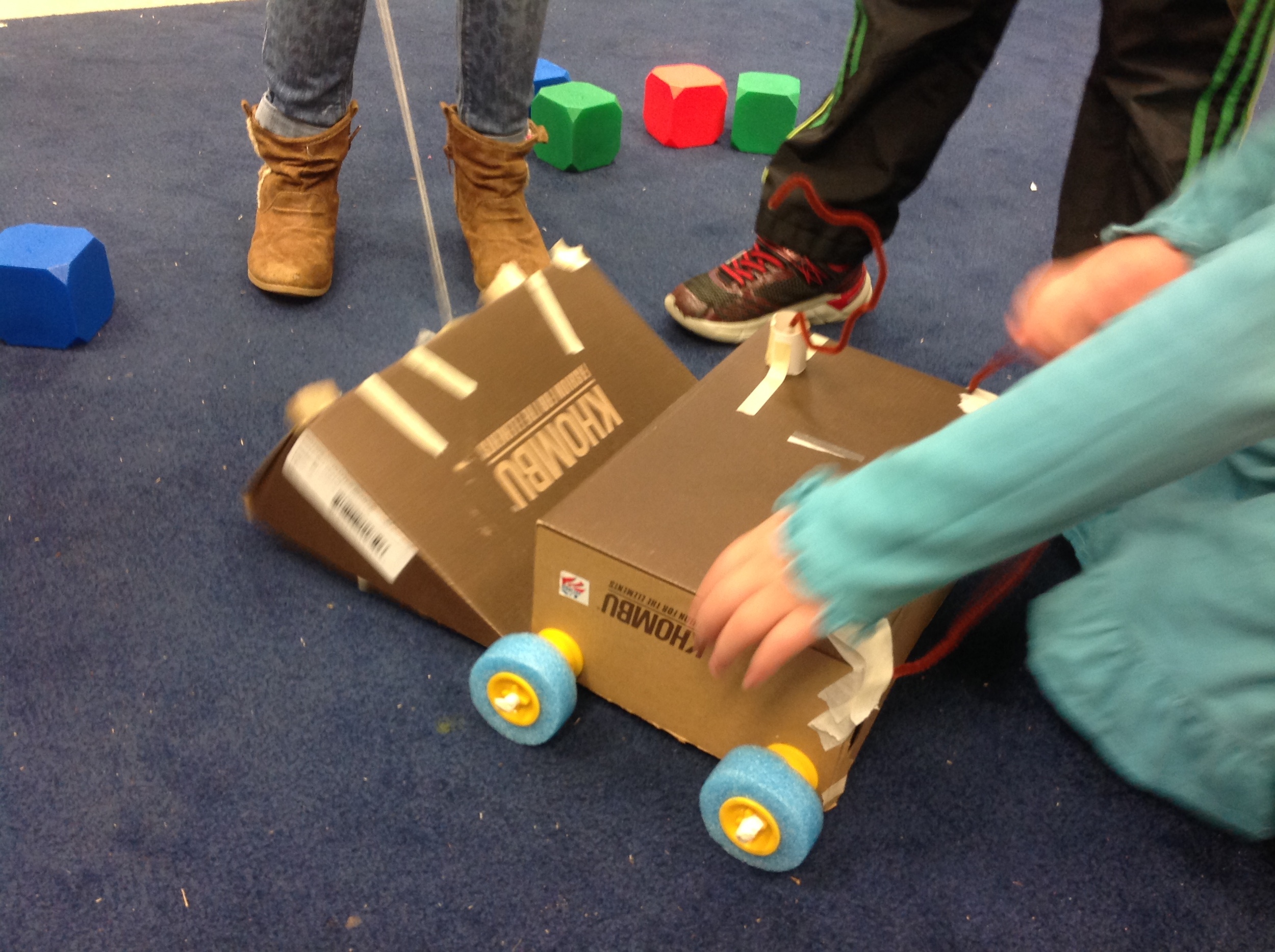
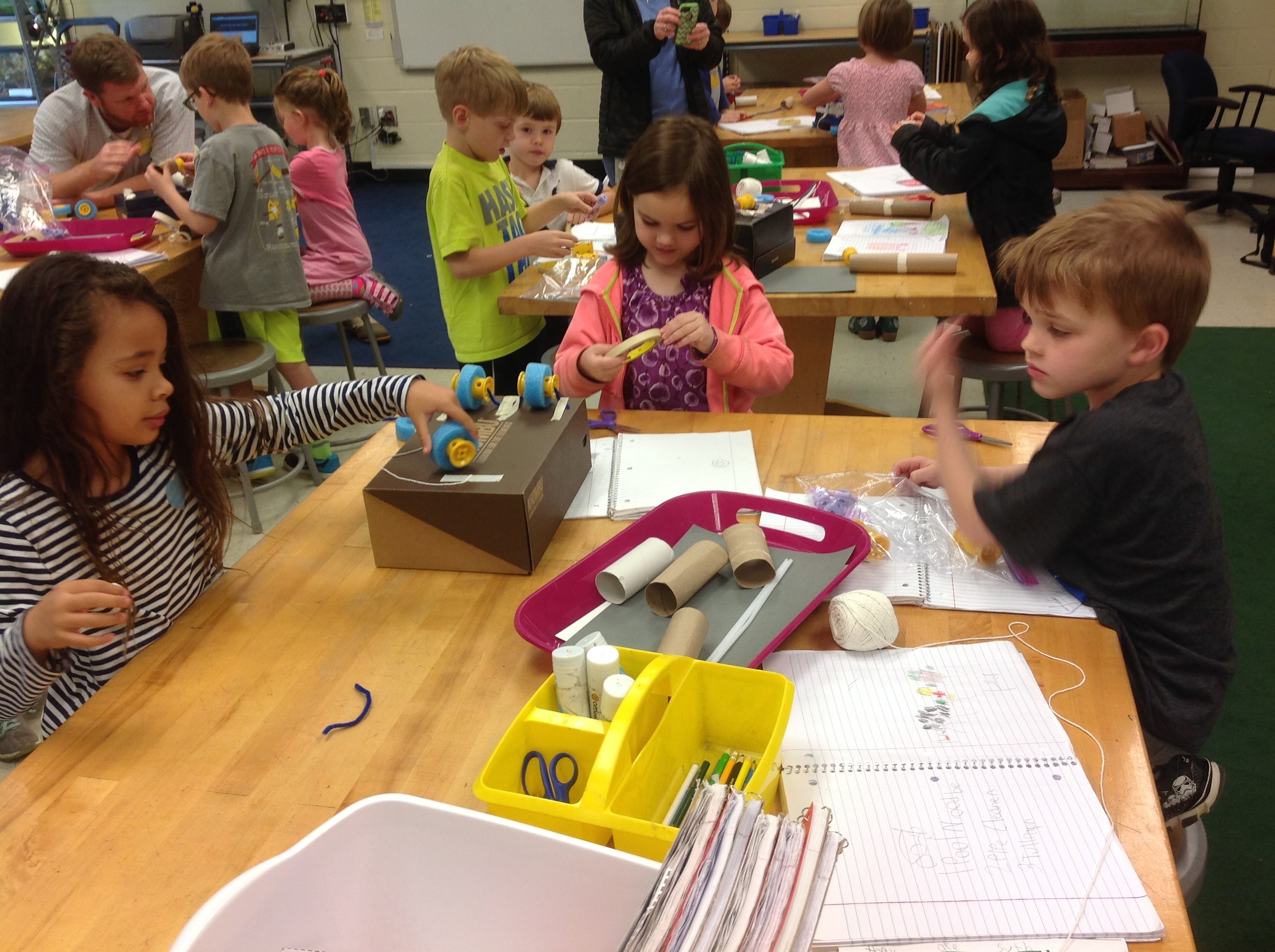
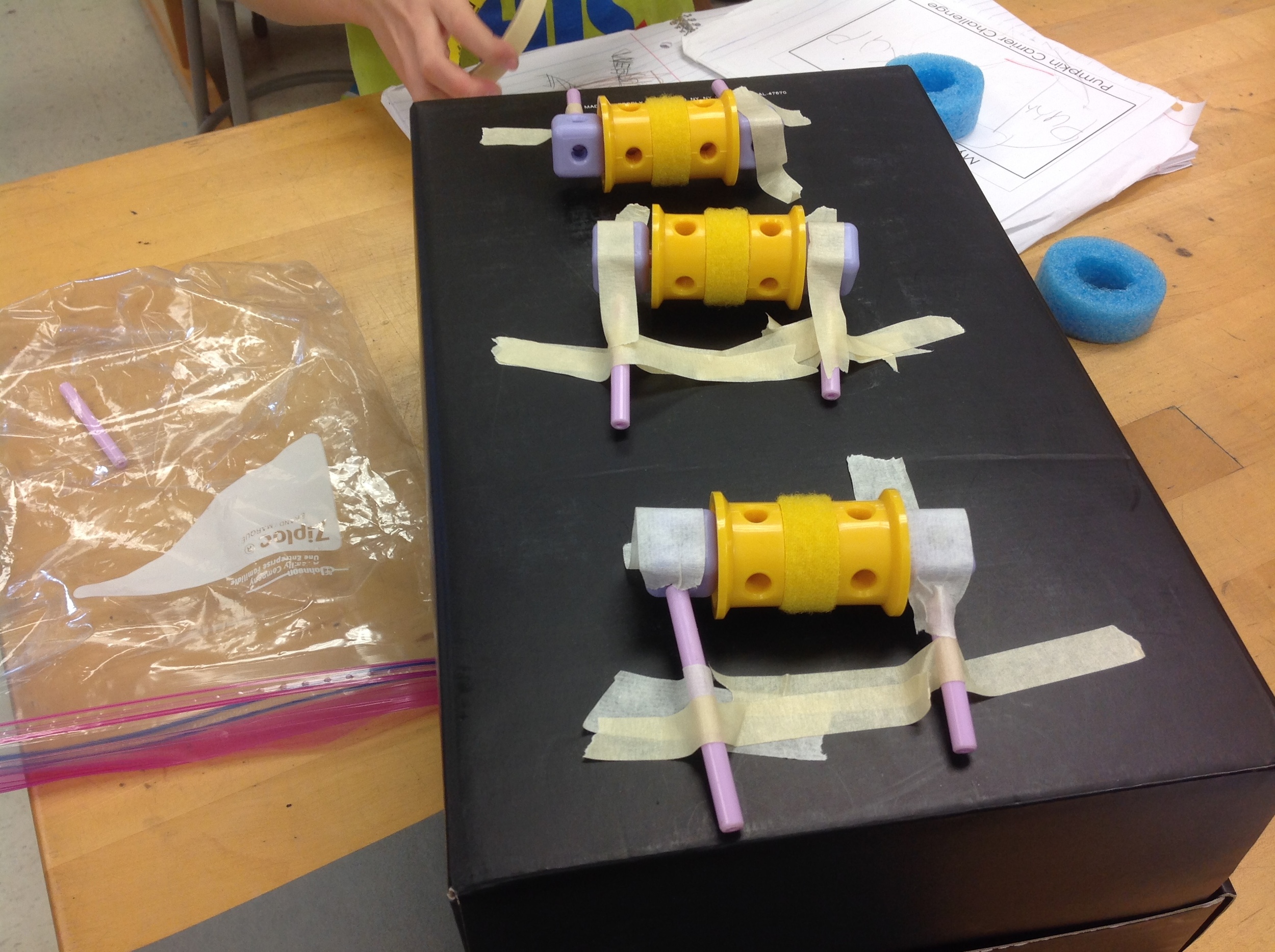
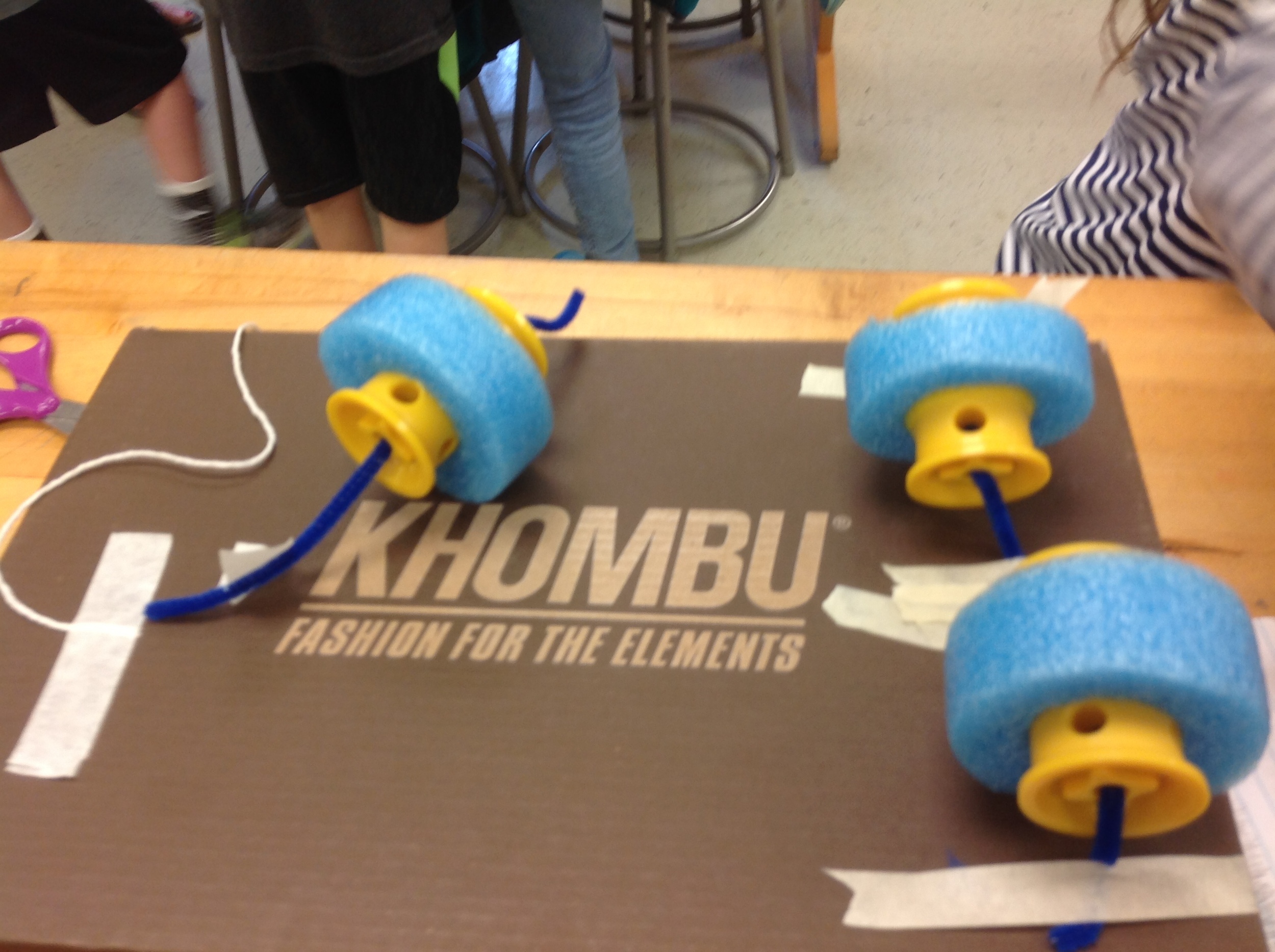
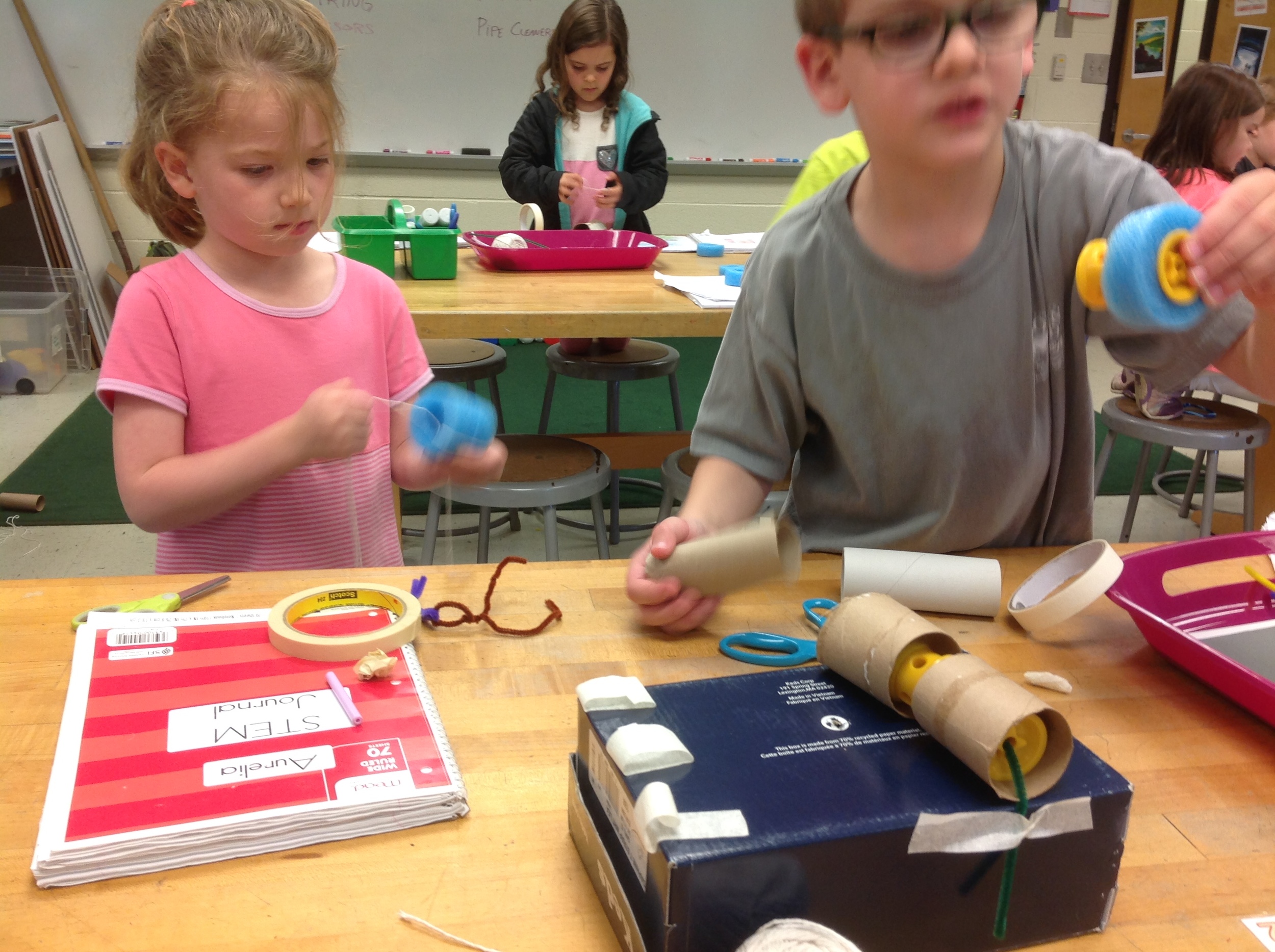
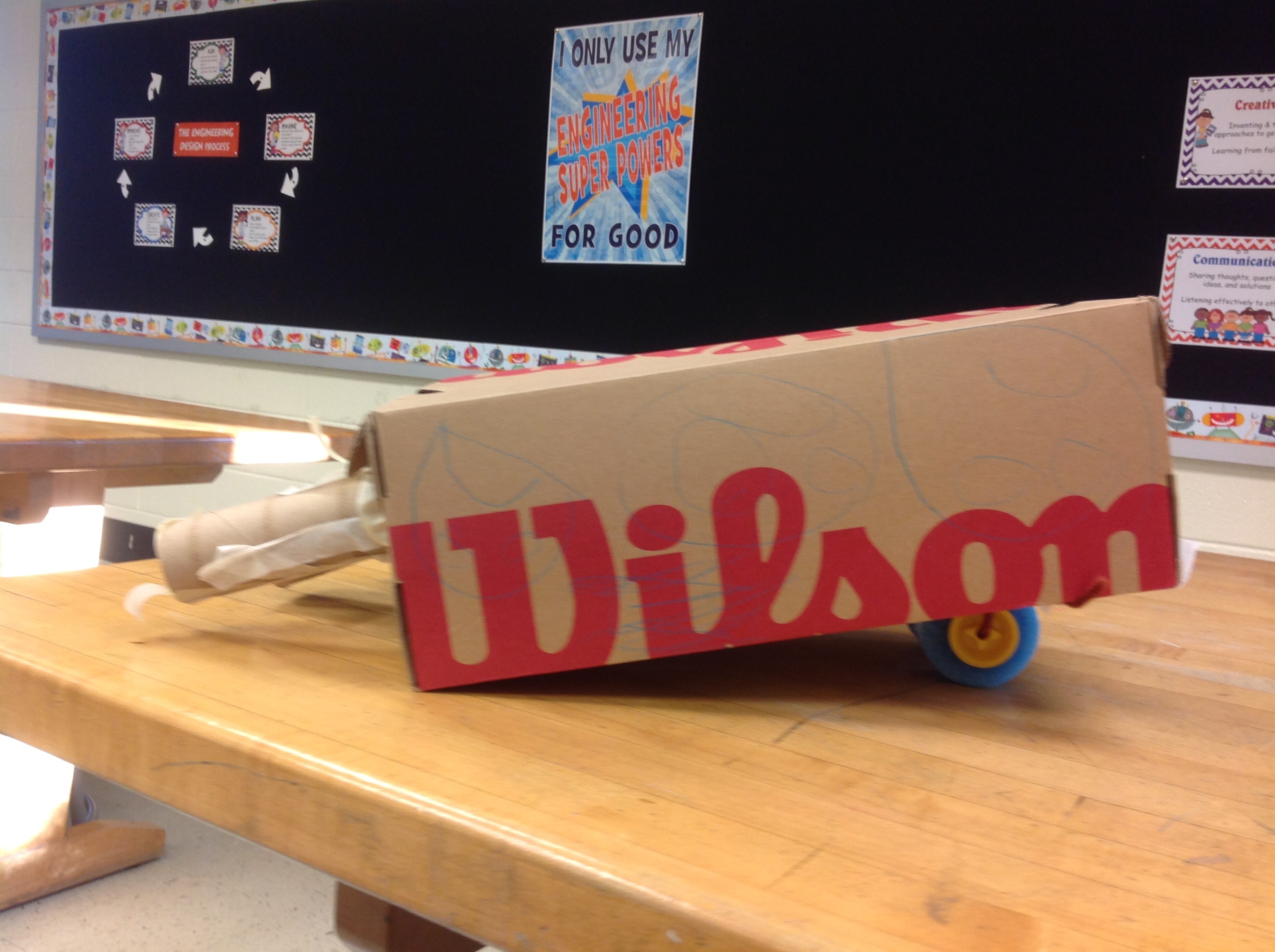
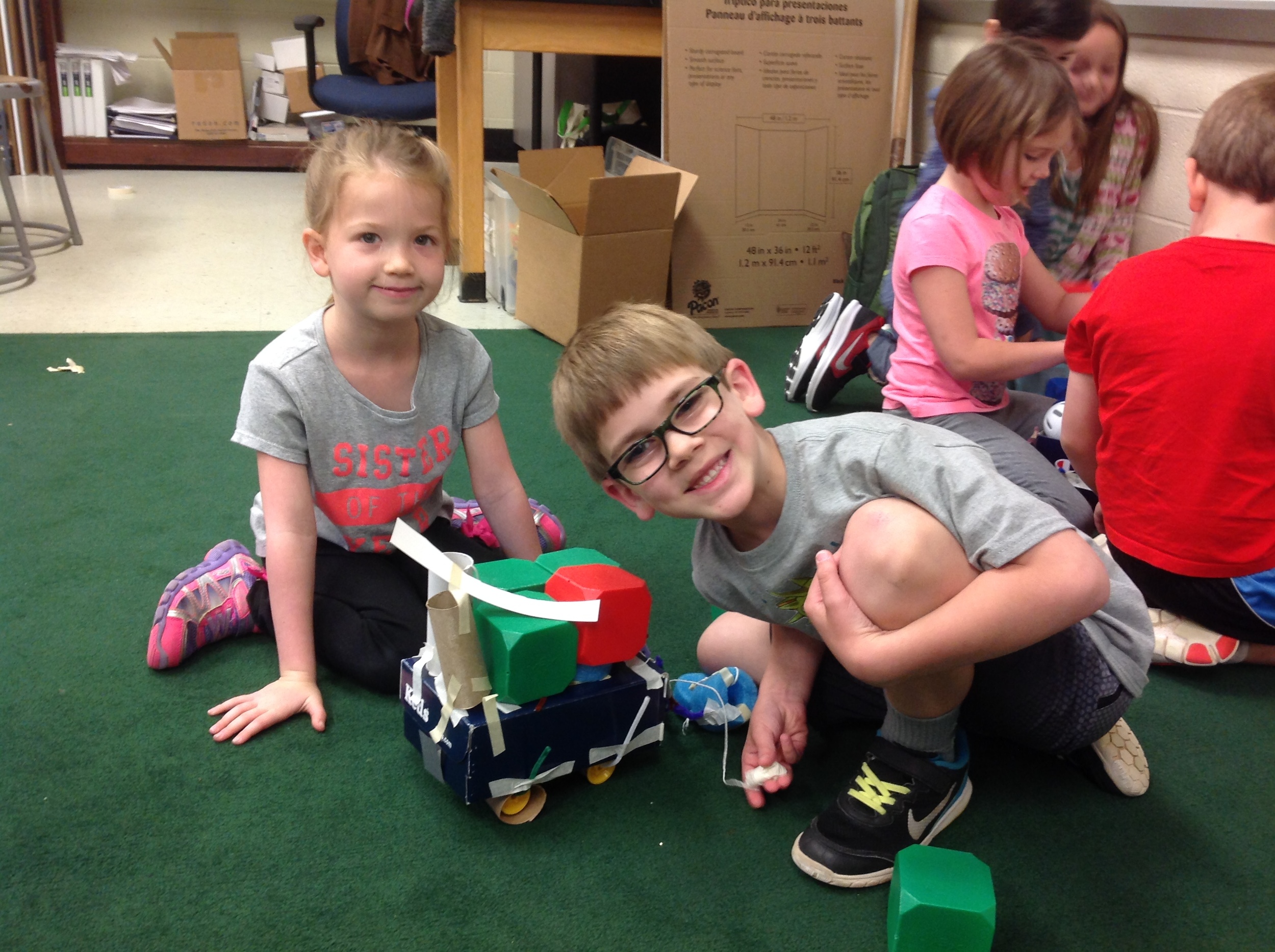
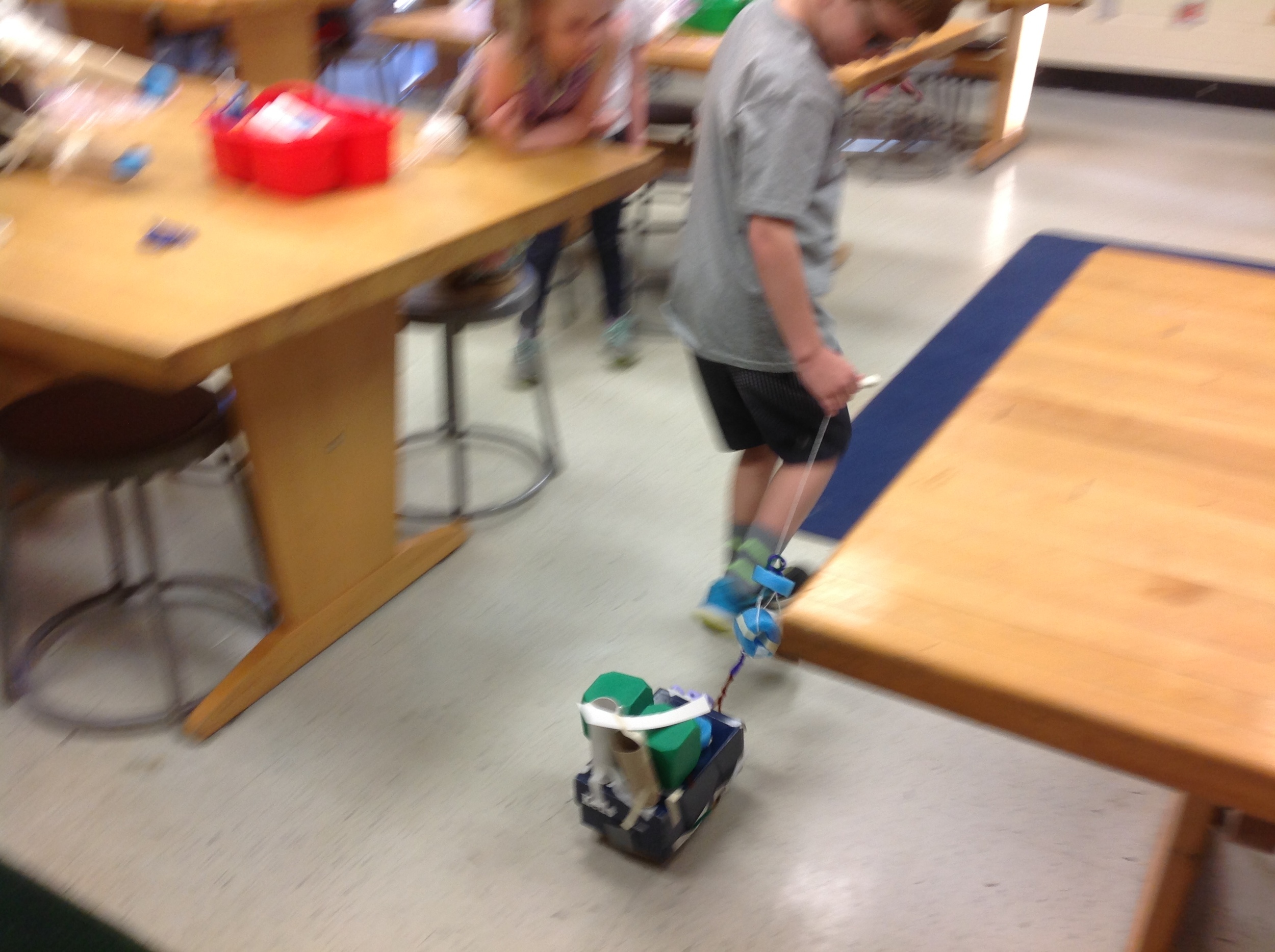
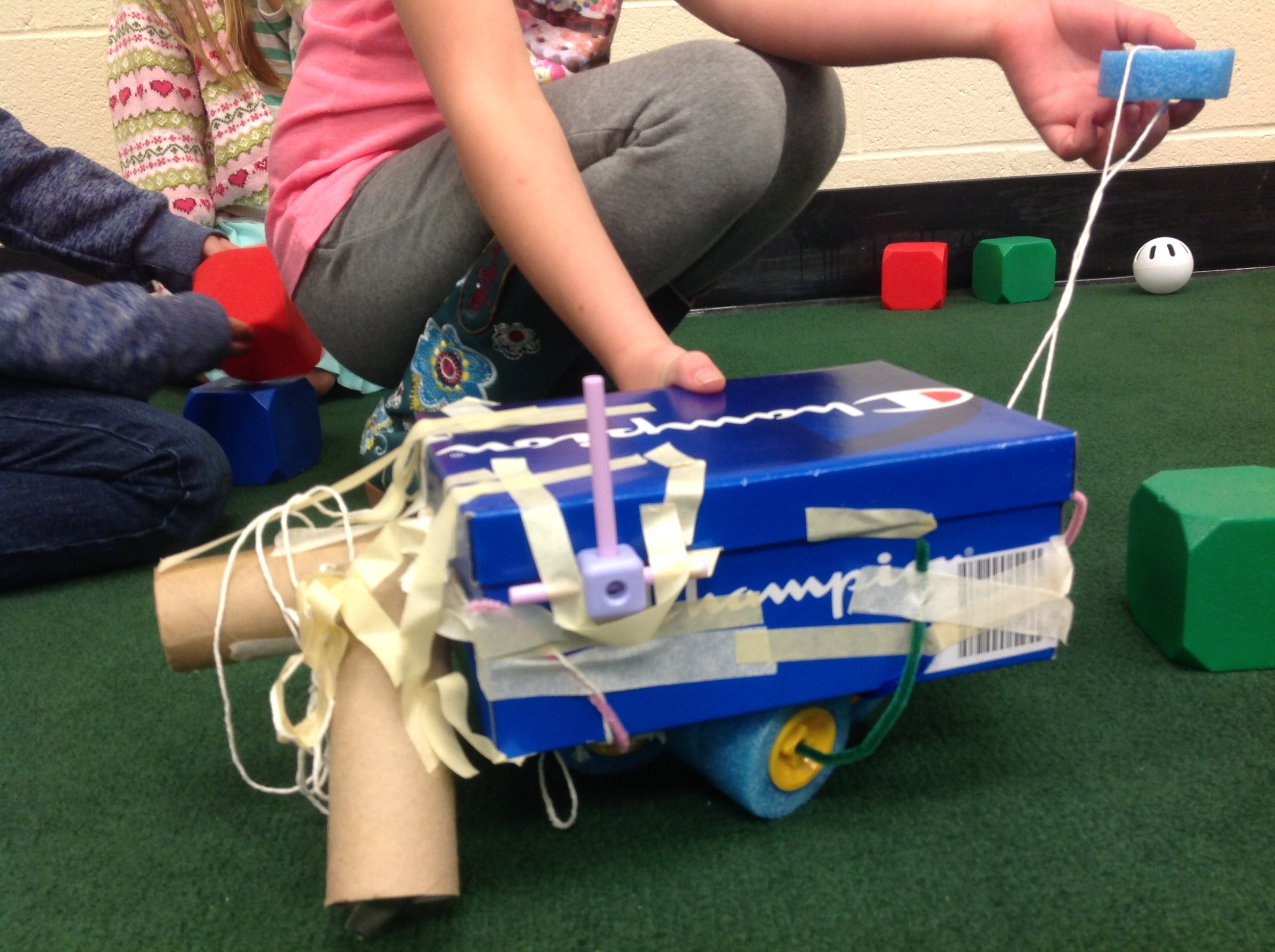
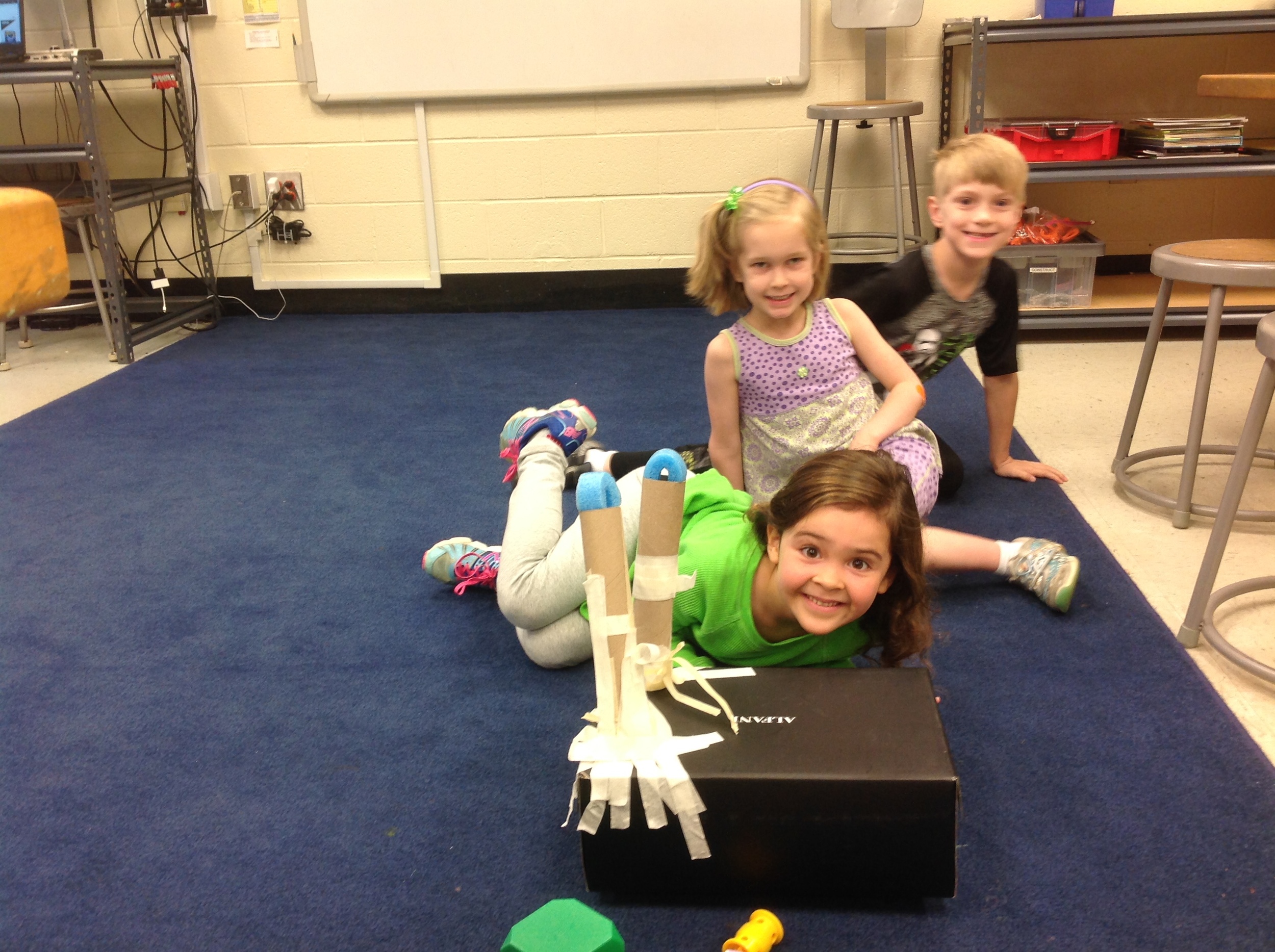
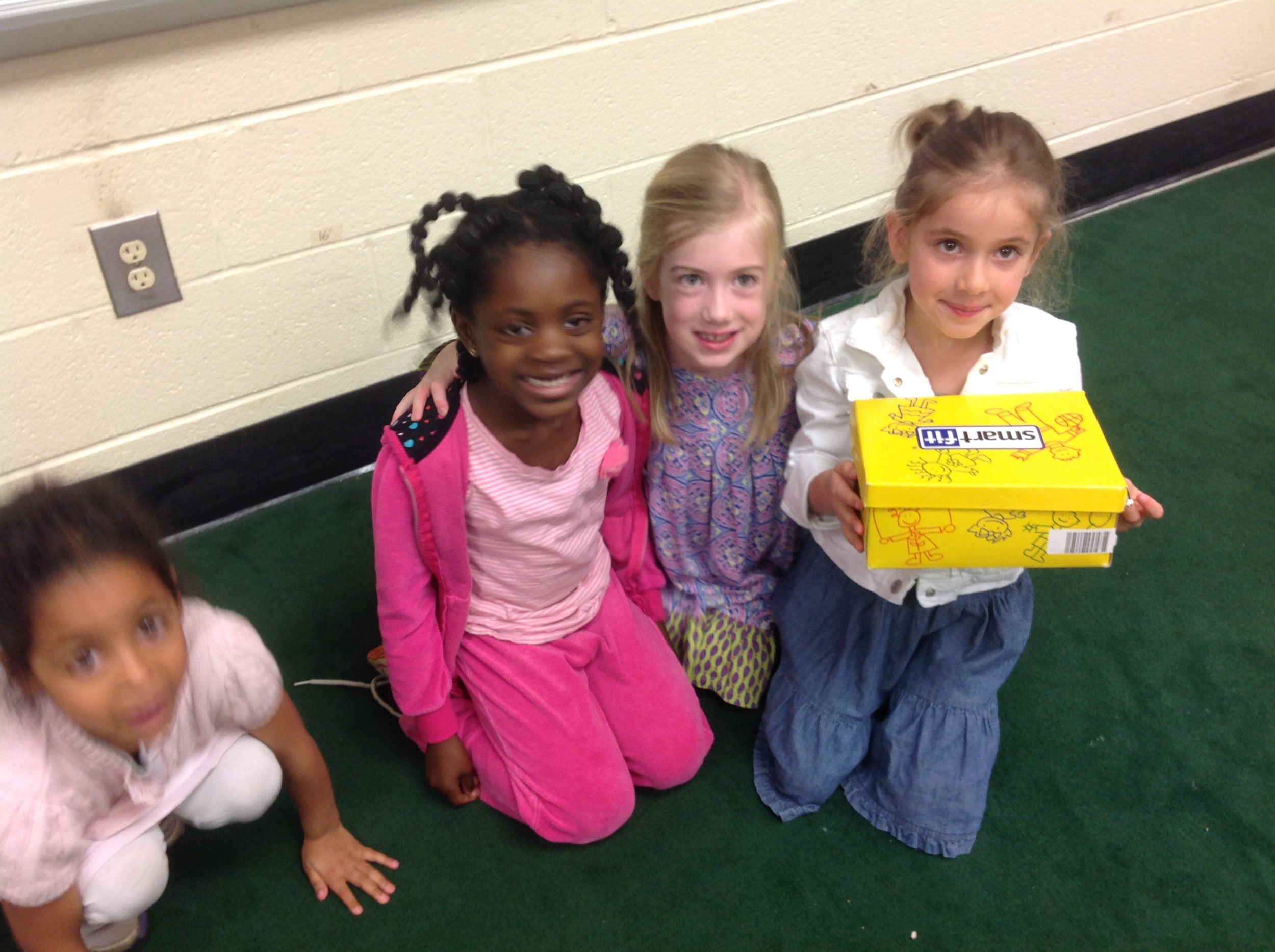
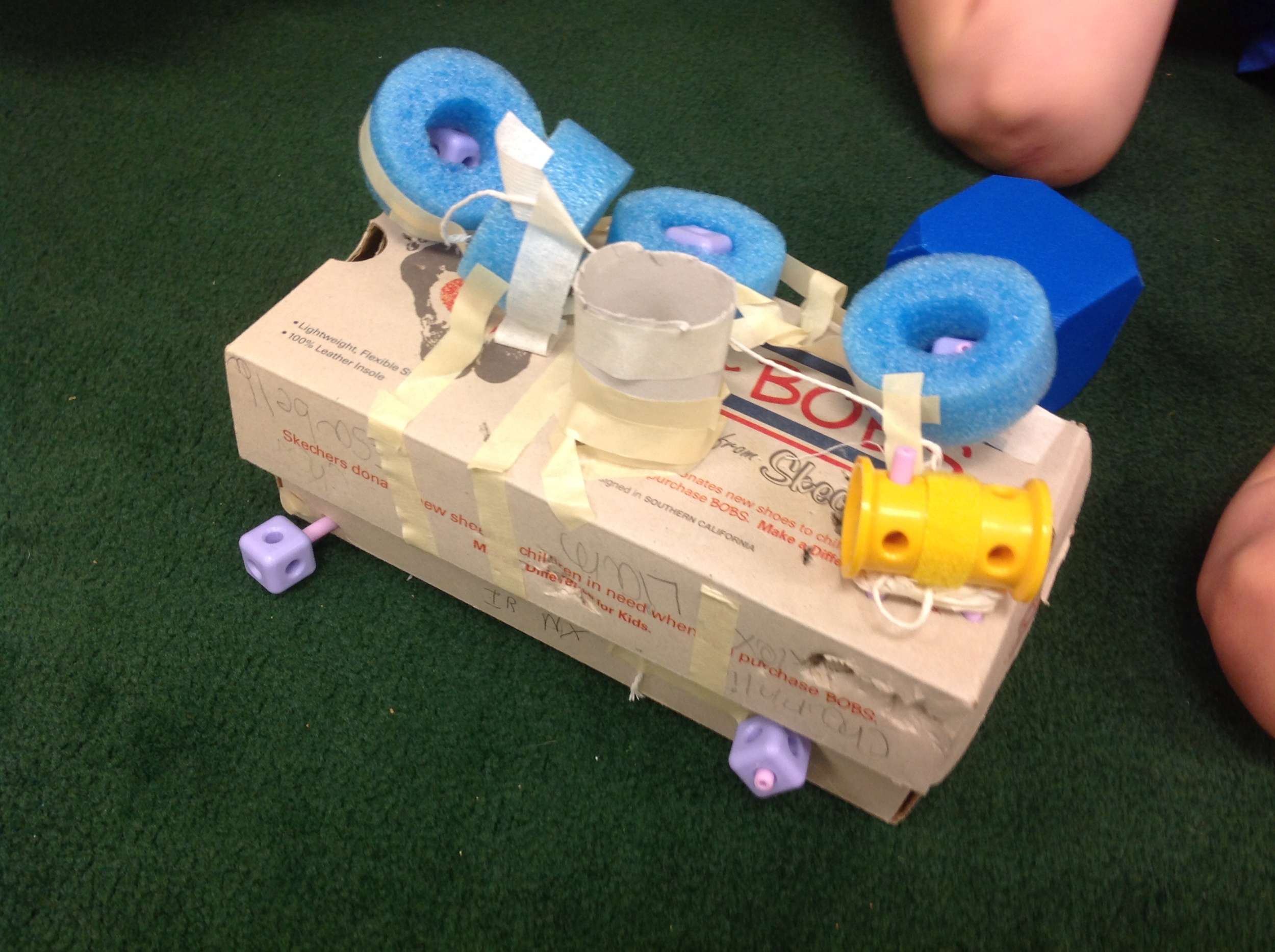
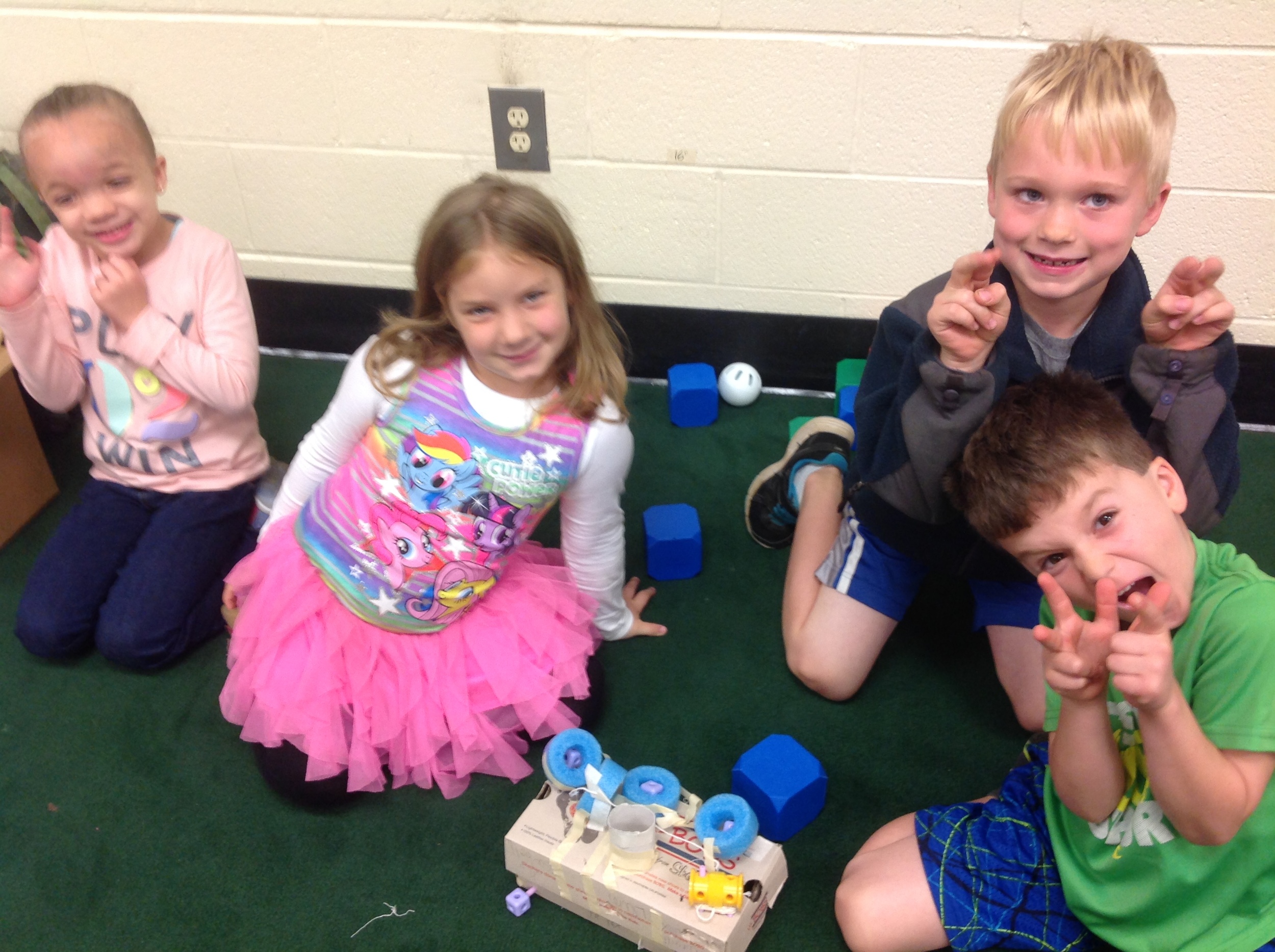
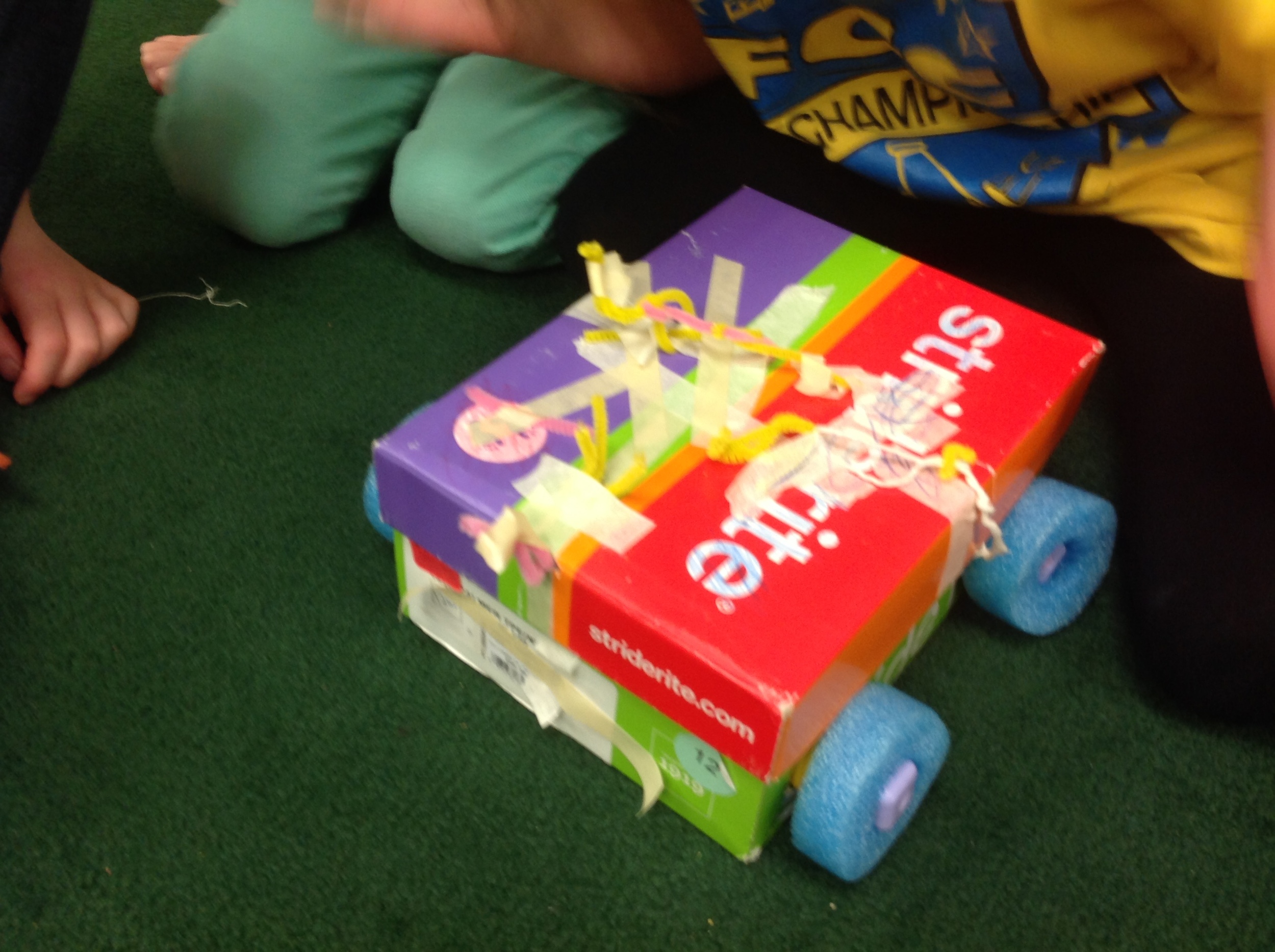
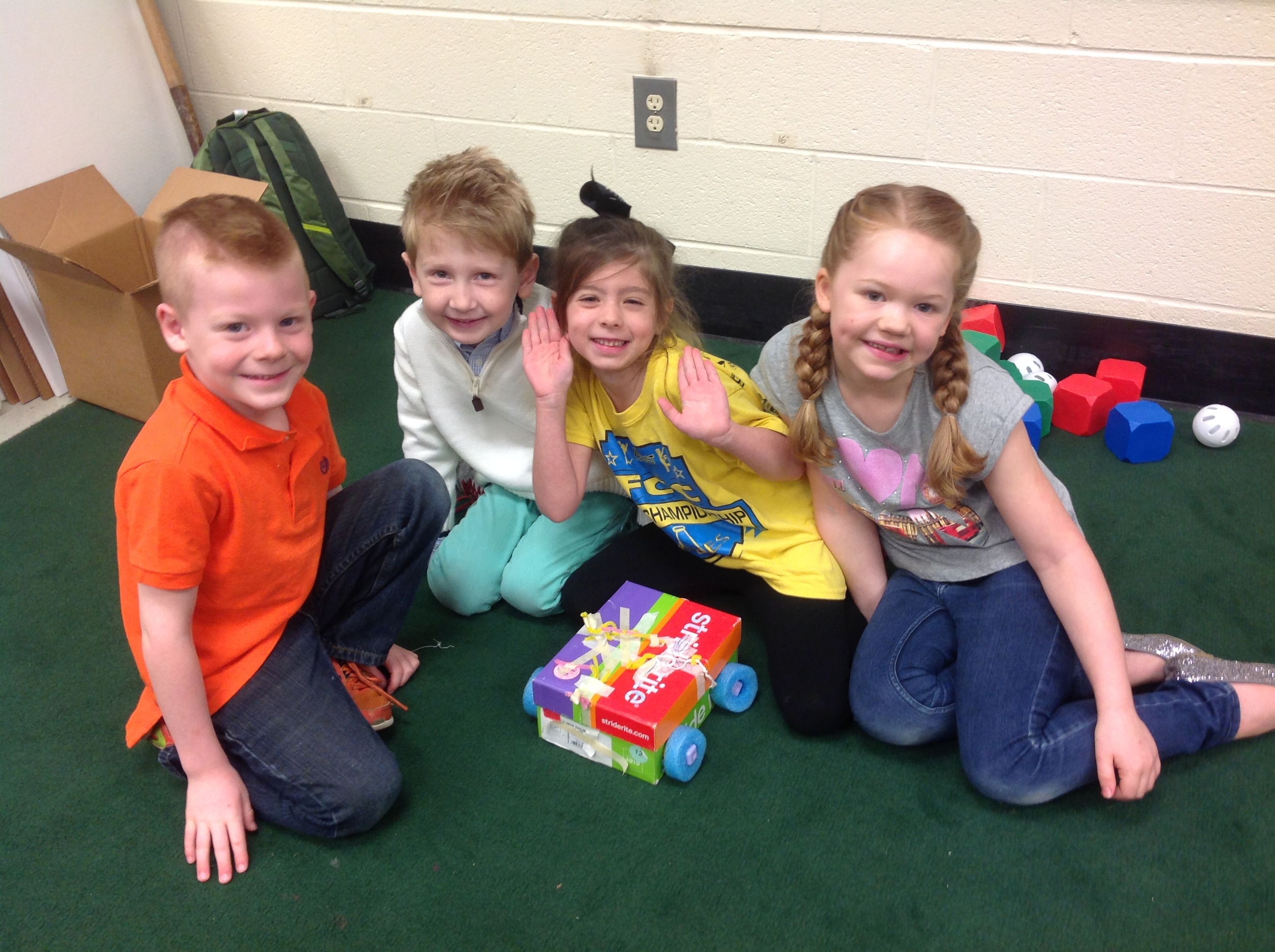
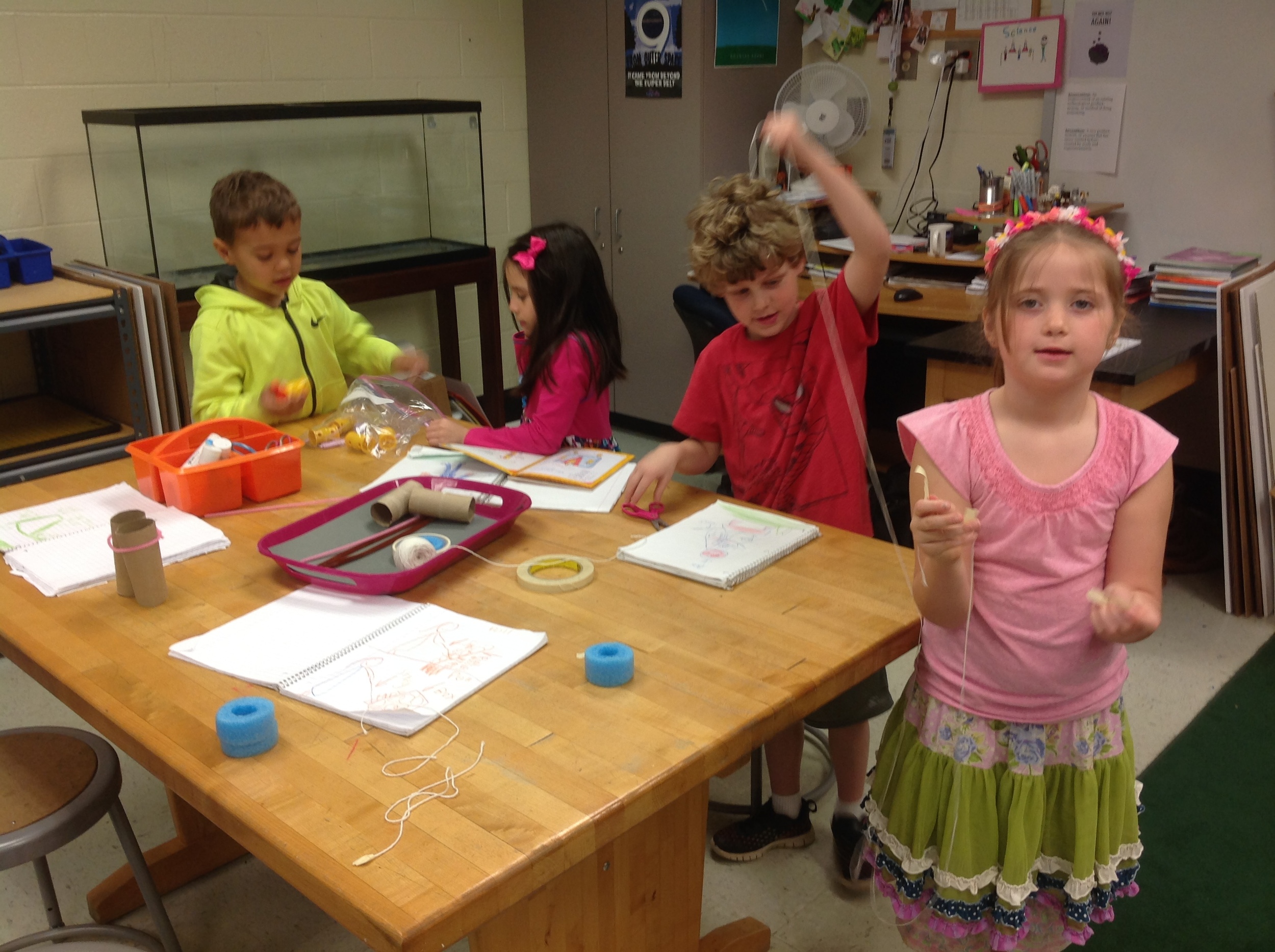
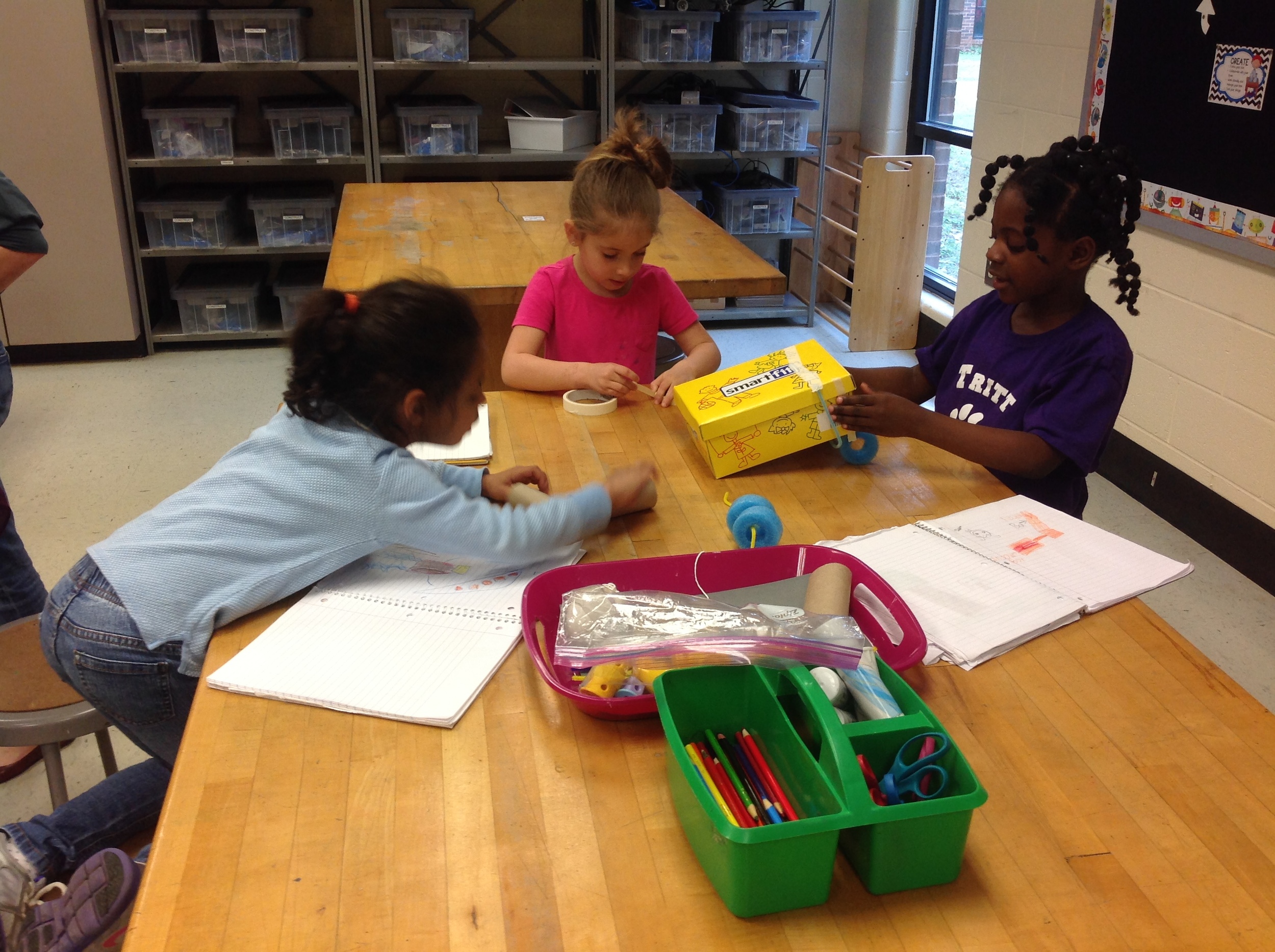
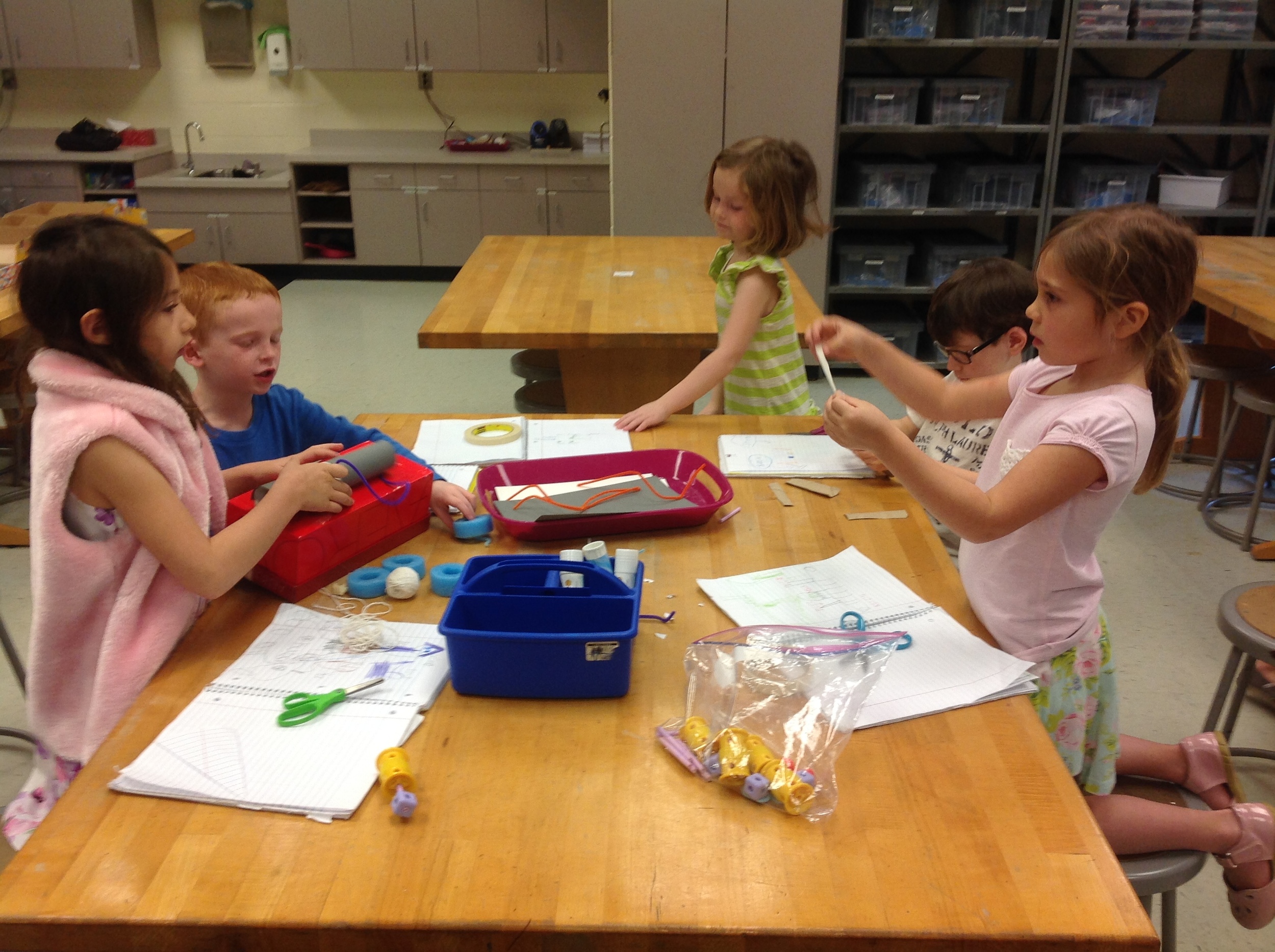
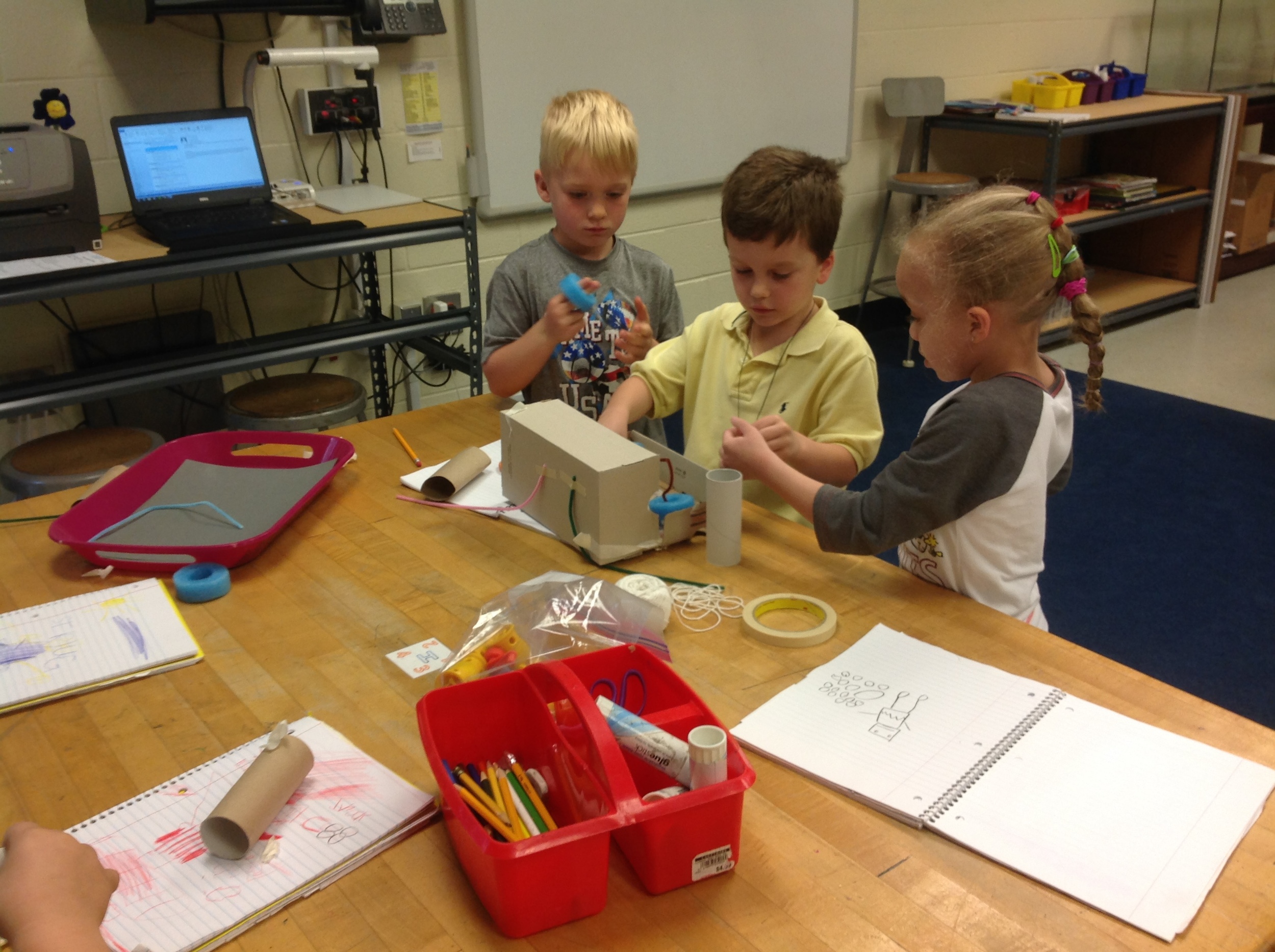
Mrs. Garrett's class wrapped up their study on forces, or pushes and pulls, today. We saw some of our most creative designs including bottom/side/top loading machines, bumpers in case of collision, and wheels that no one else had tried before!

Compound Machine Build Out: Waters
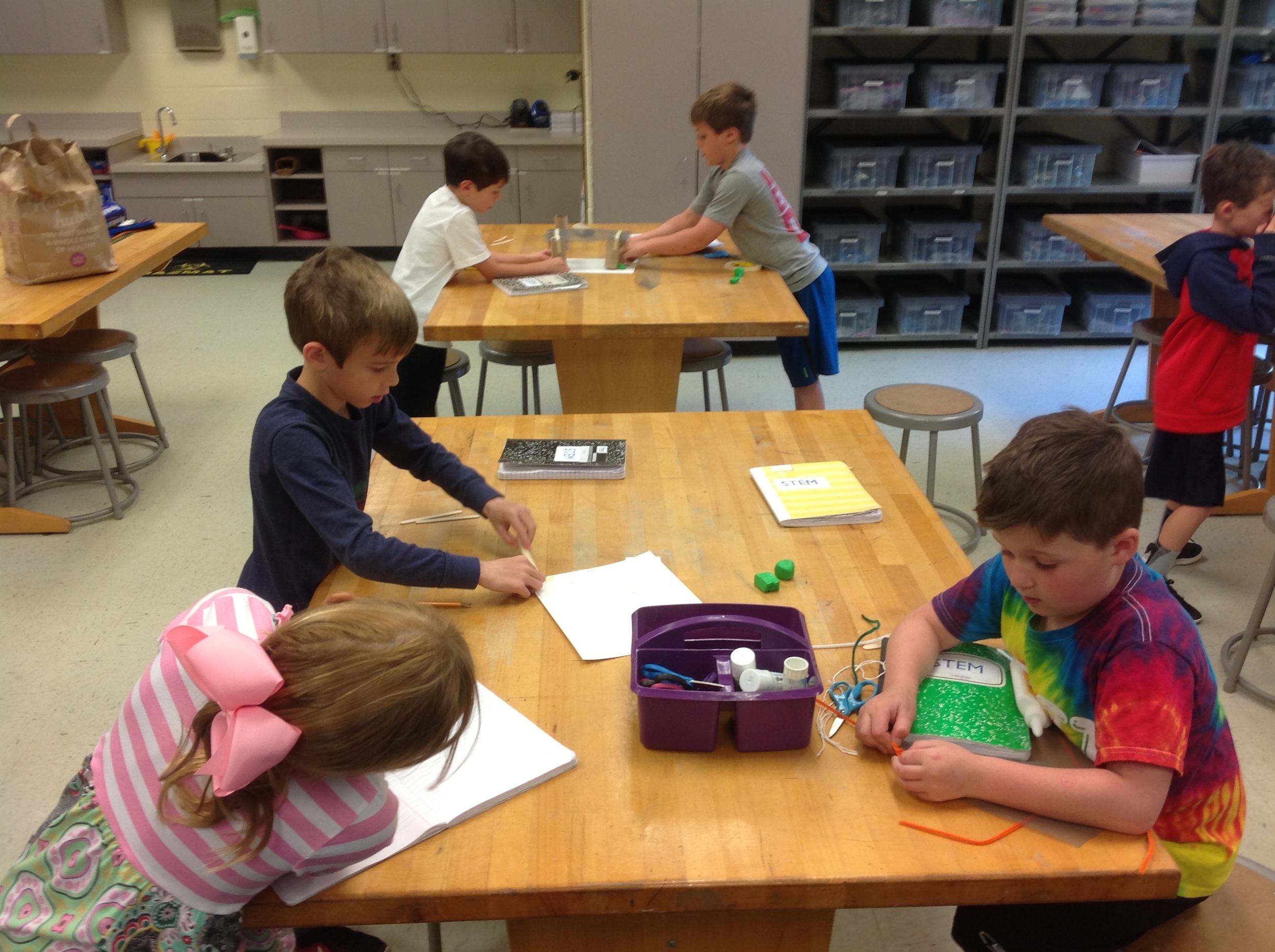
Wheel & Axle, Inclined Plane, Pulley and Lever: They were all represented in the STEM challenge culminating our study of compound machines in Mrs. Waters' class.

Here Comes the Sun(flower)!
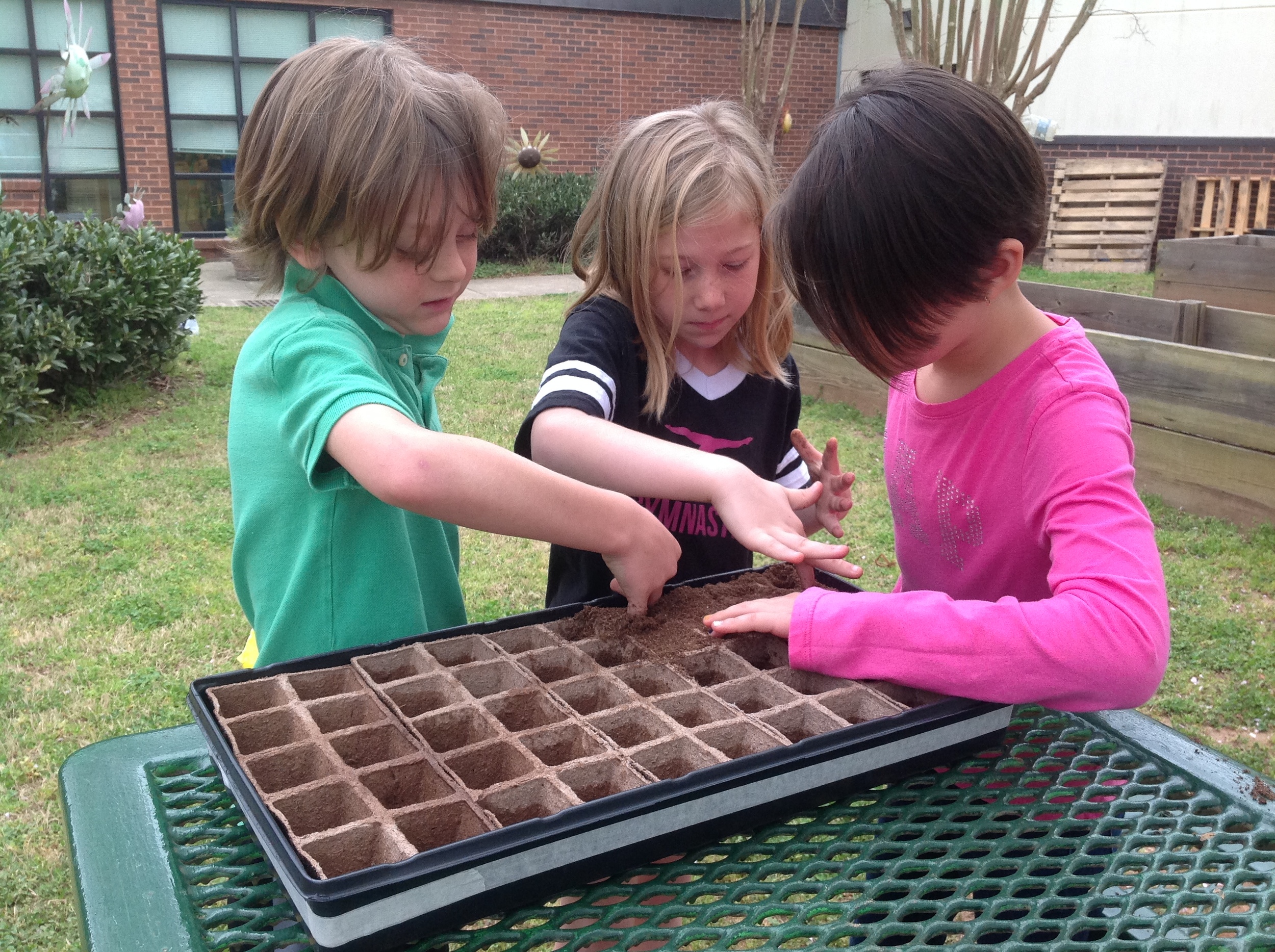
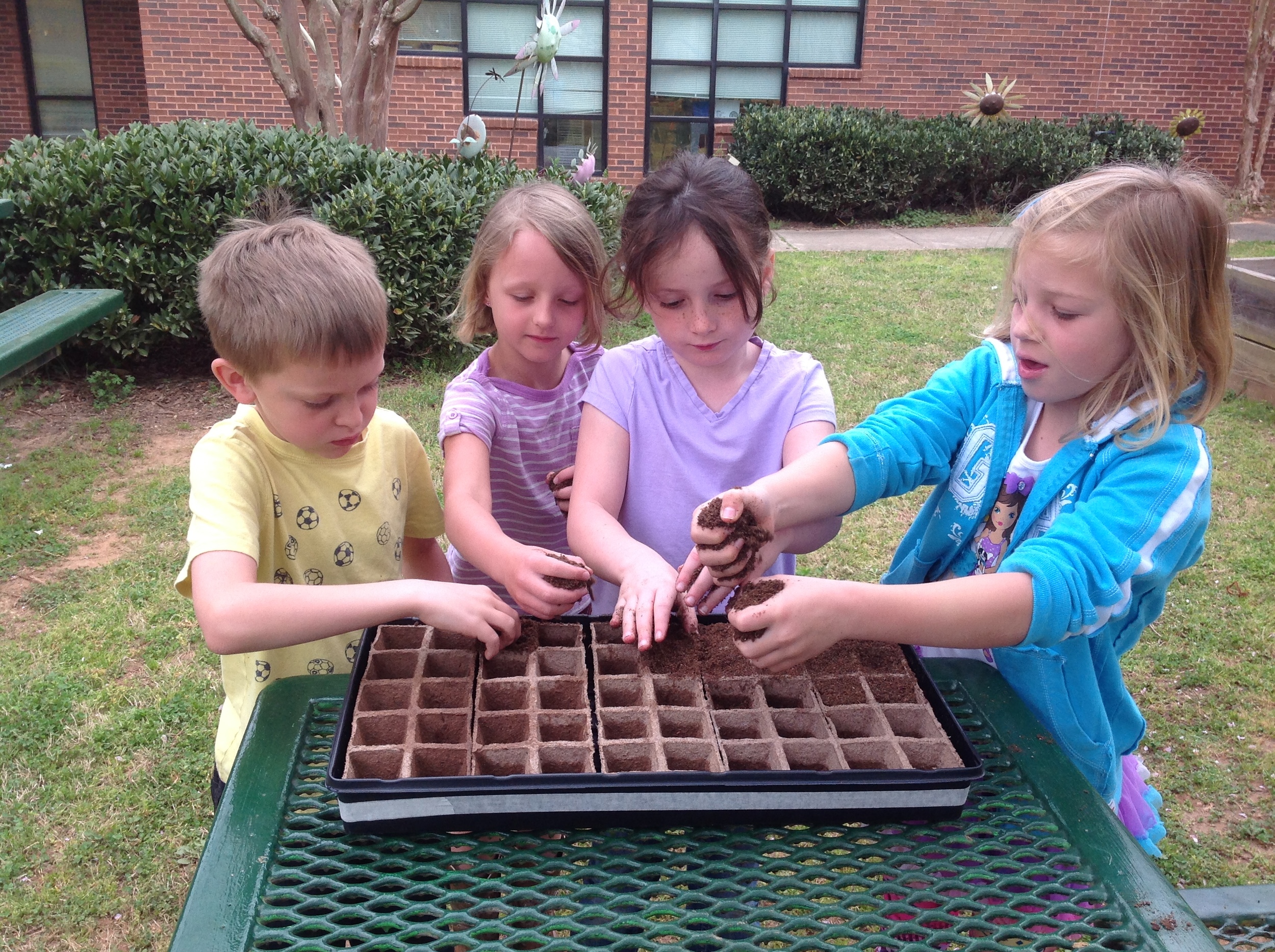
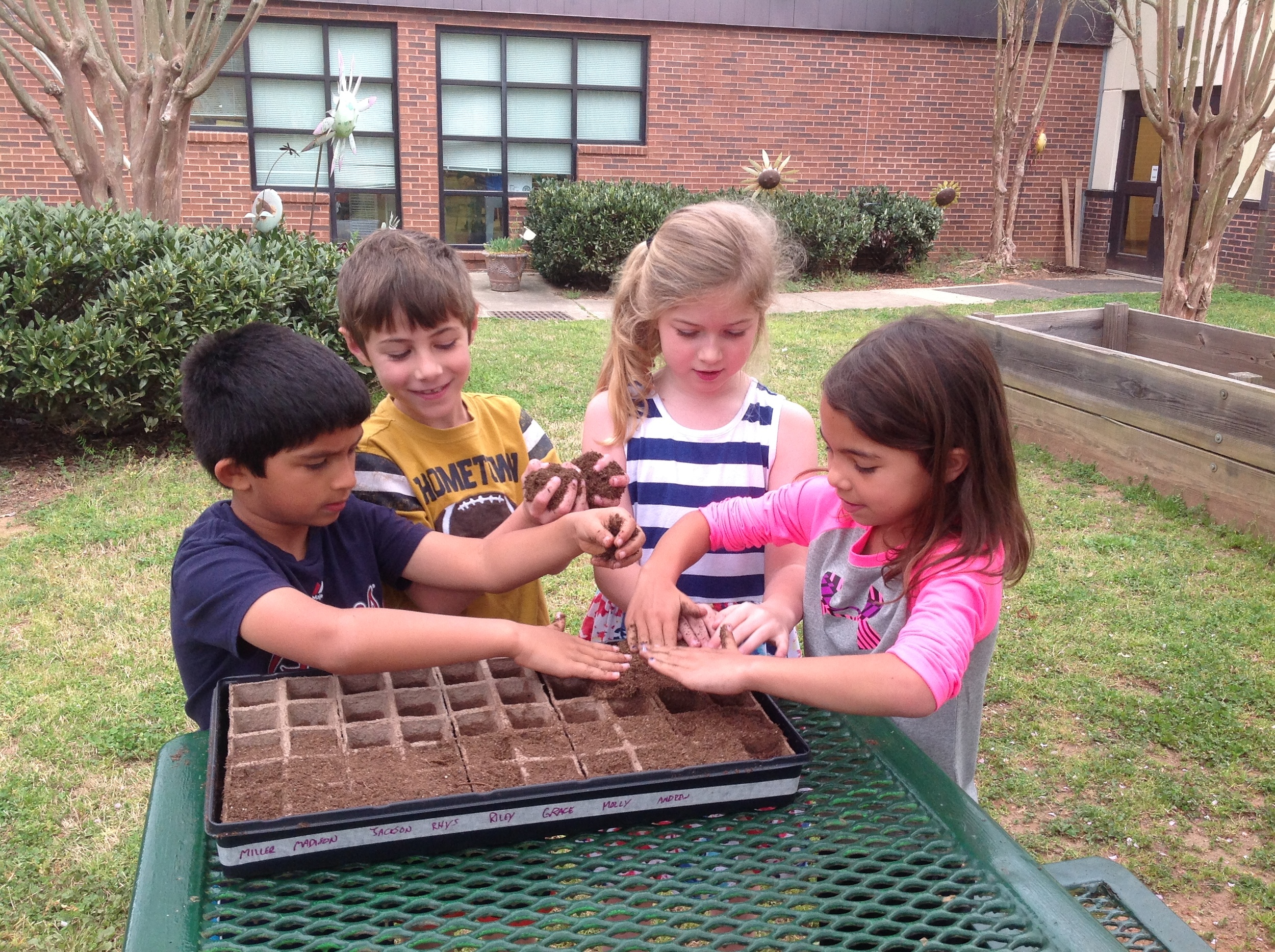
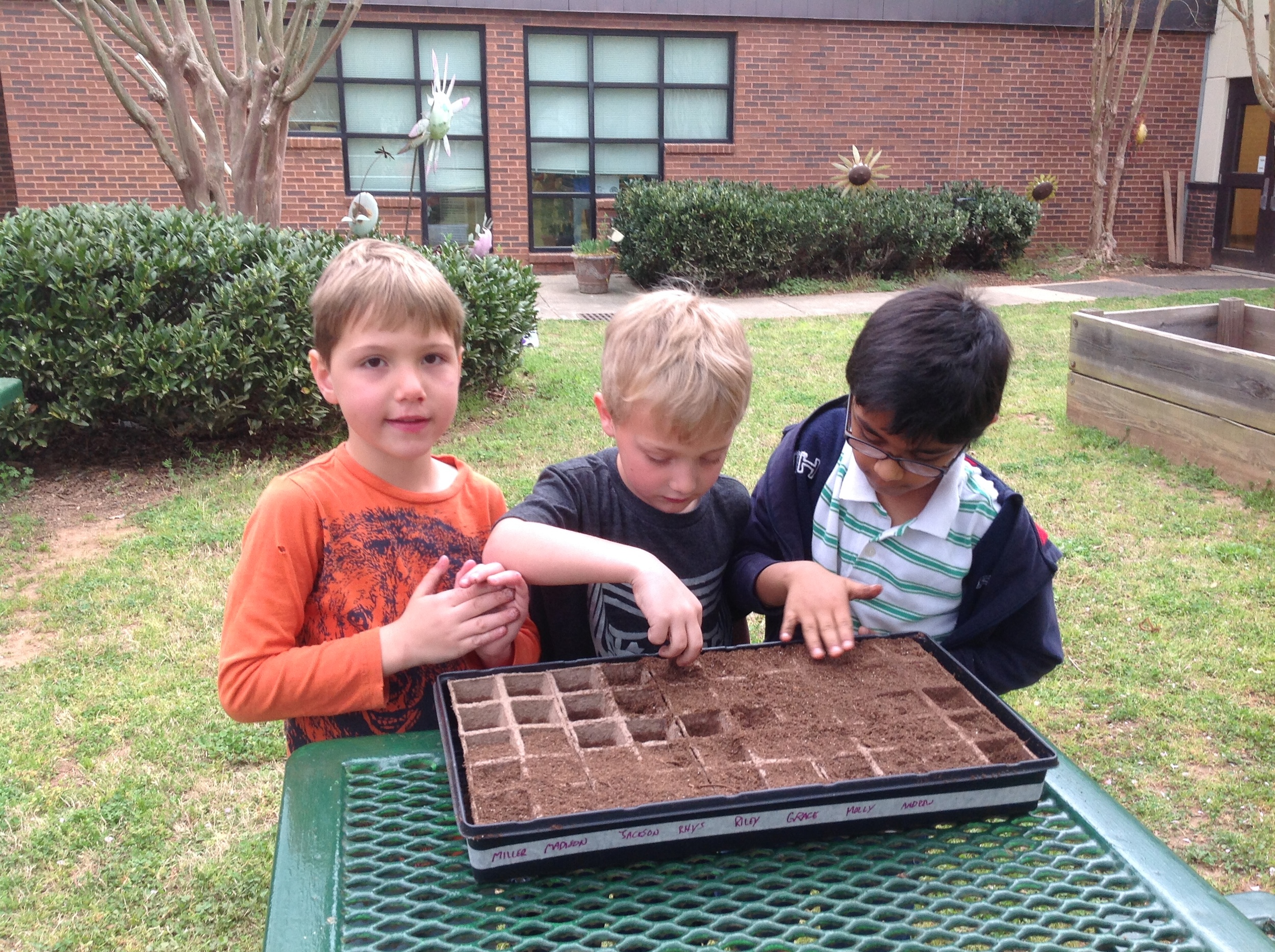
Our first graders are planting sunflowers all week long as a part of our study on plants. After spring break they'll be able to take them home! Mrs. Light's class is demonstrating below:

Pushes & Pulls: Wall

Compound Machine Build Out: Wender
Mrs. Wender's class presented their final compound machines:

Pushes & Pulls: Arasi
Mrs. Arasi's class keeps pace by creating some awesome rock-moving machines:

Compound Machine Build Out: Blick
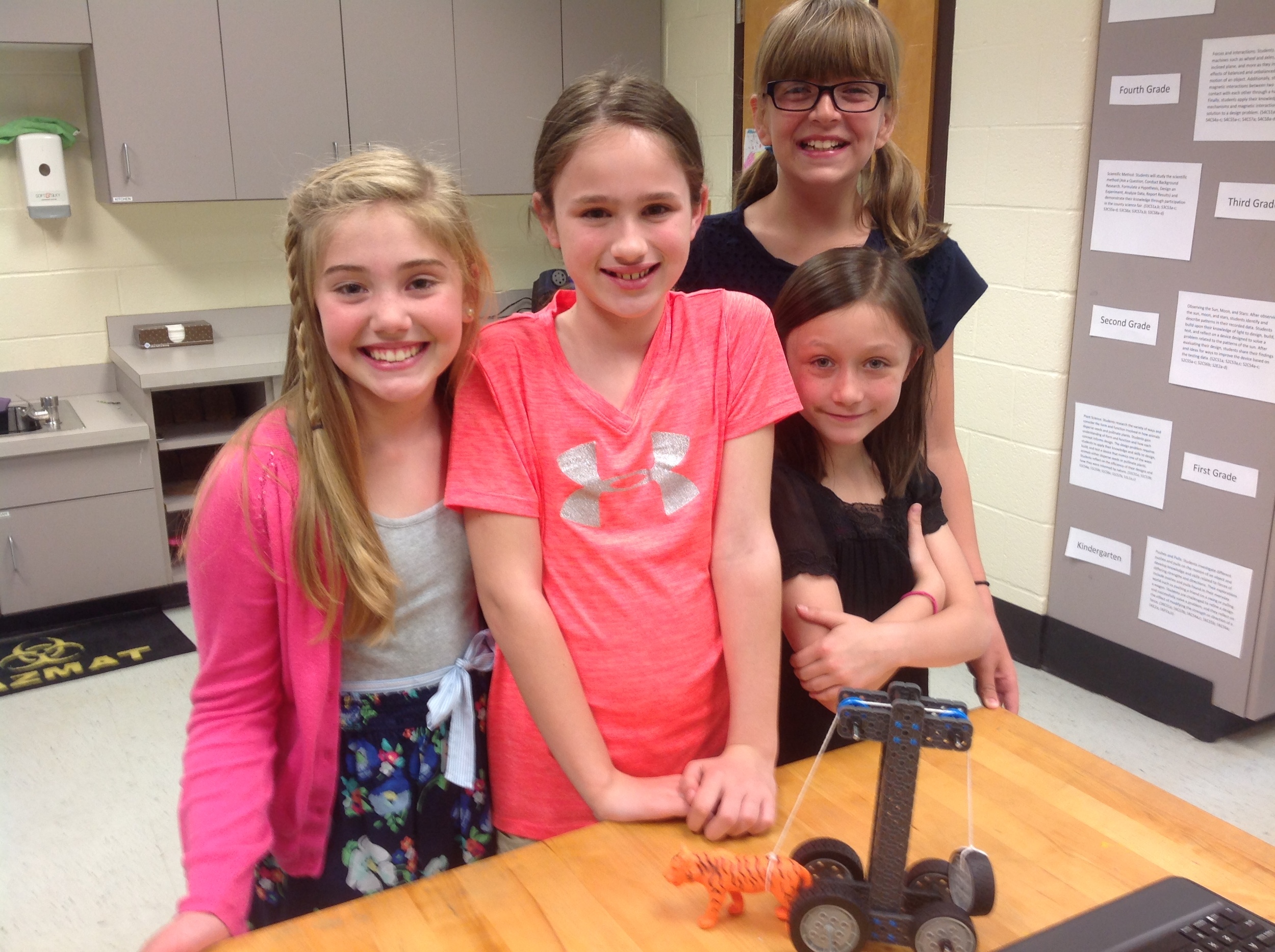
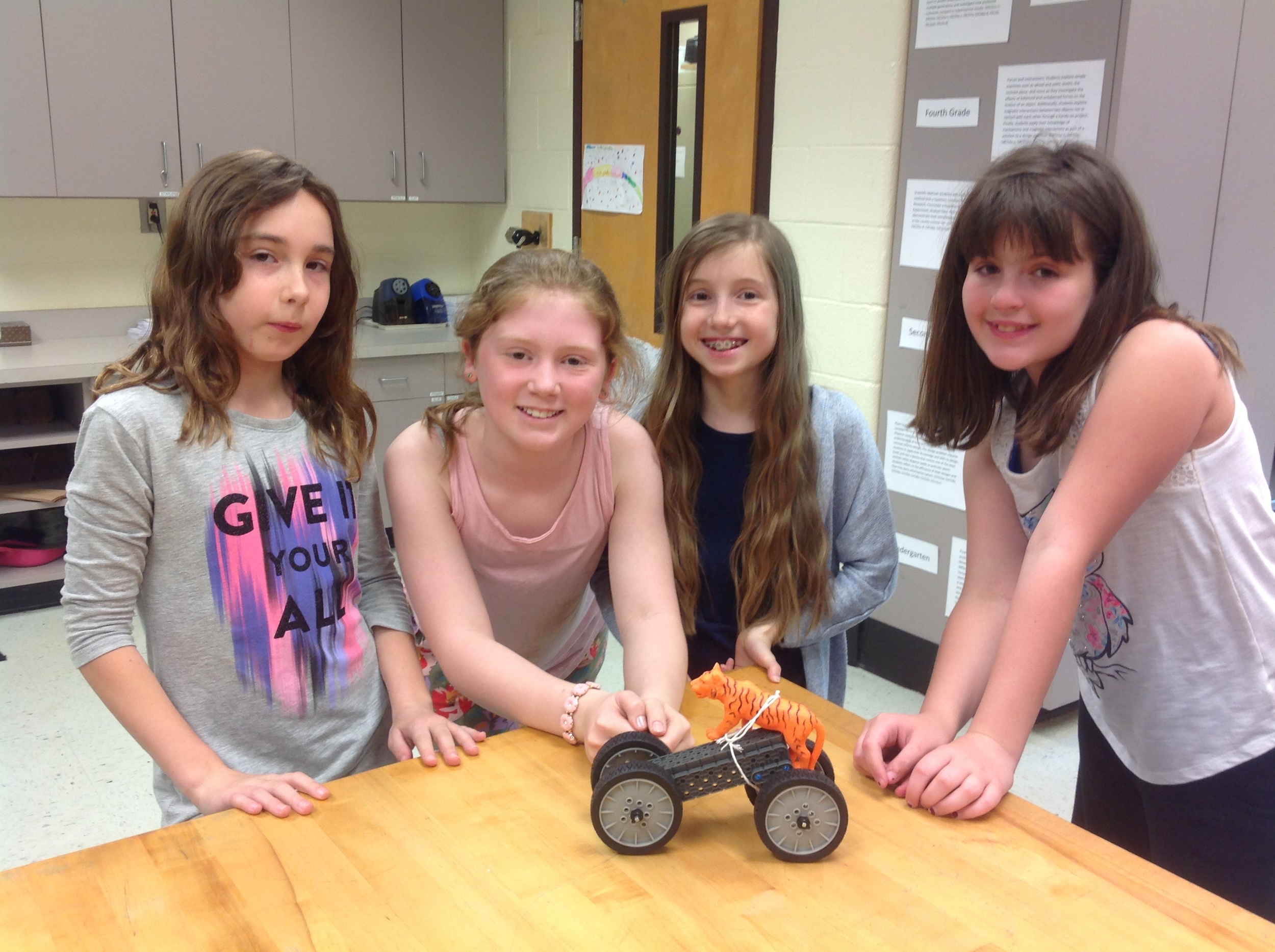
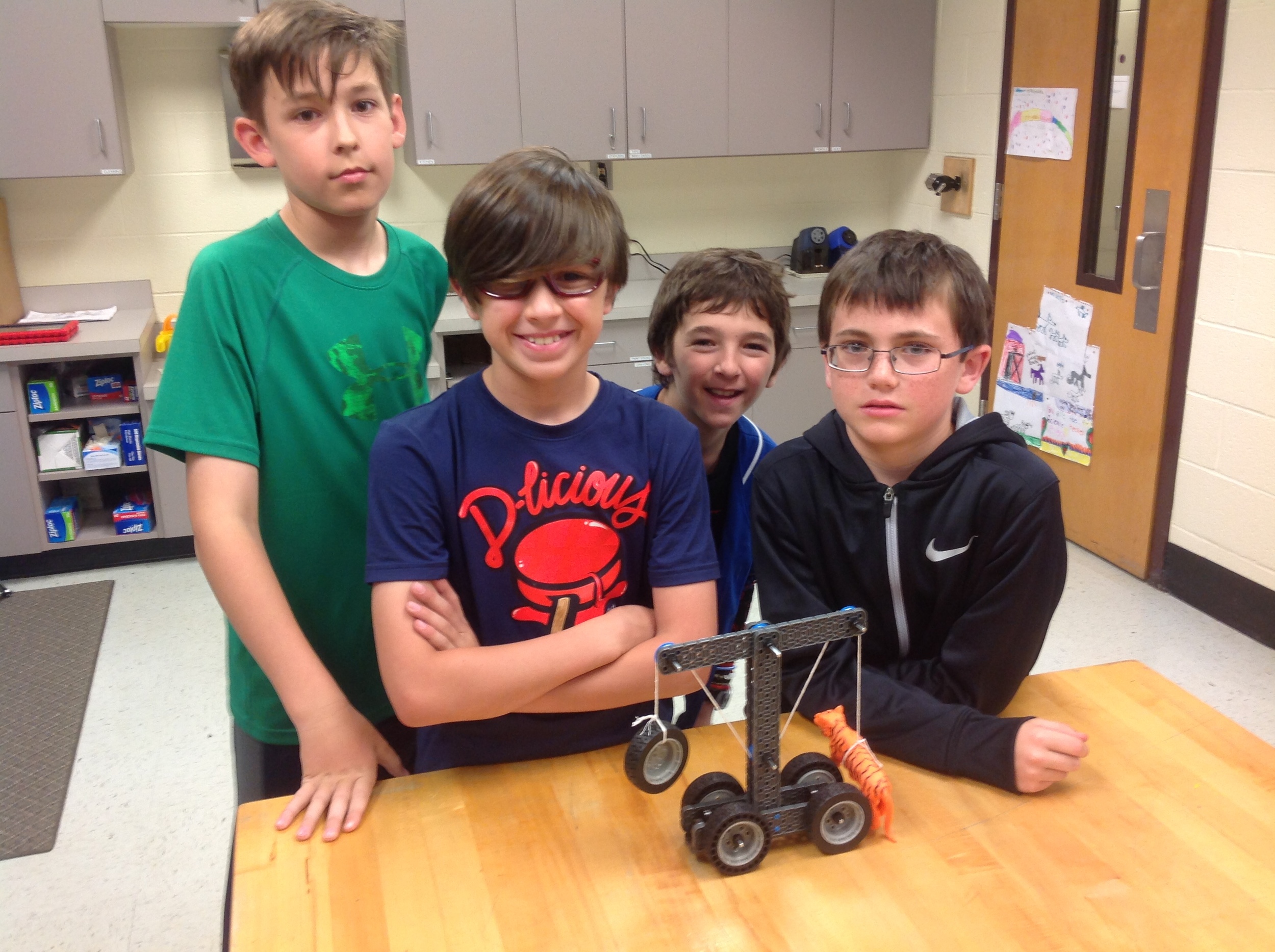
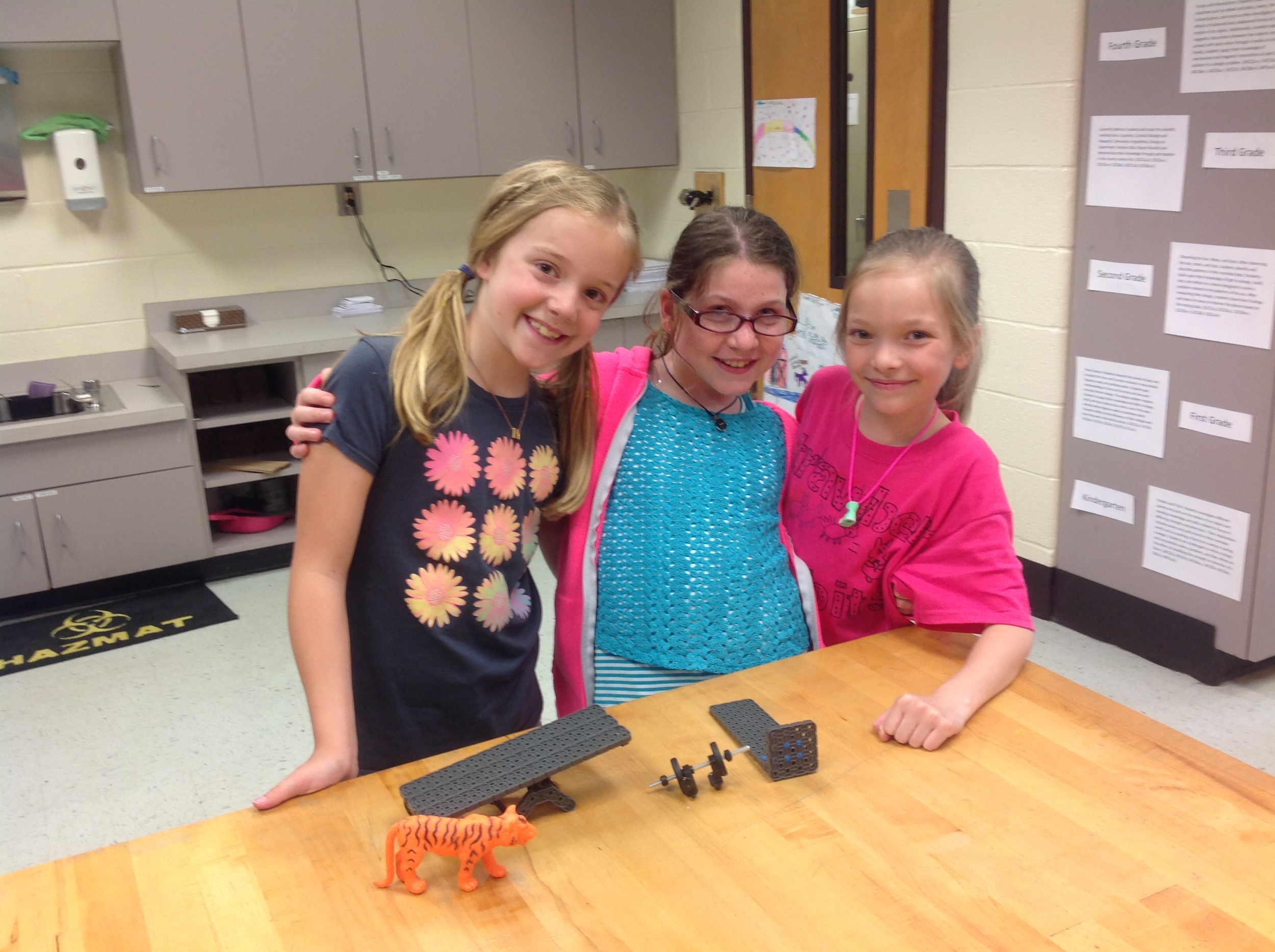
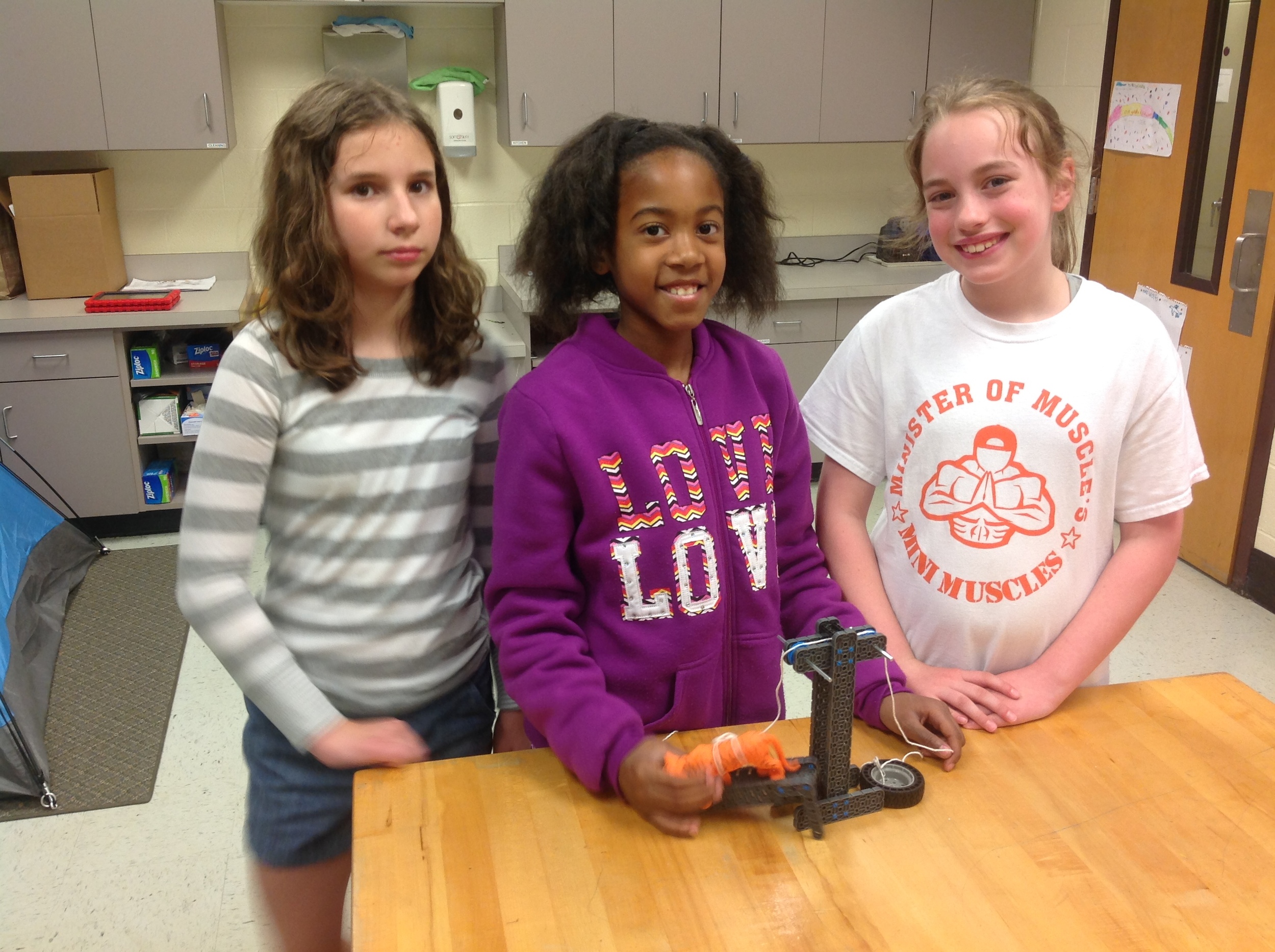
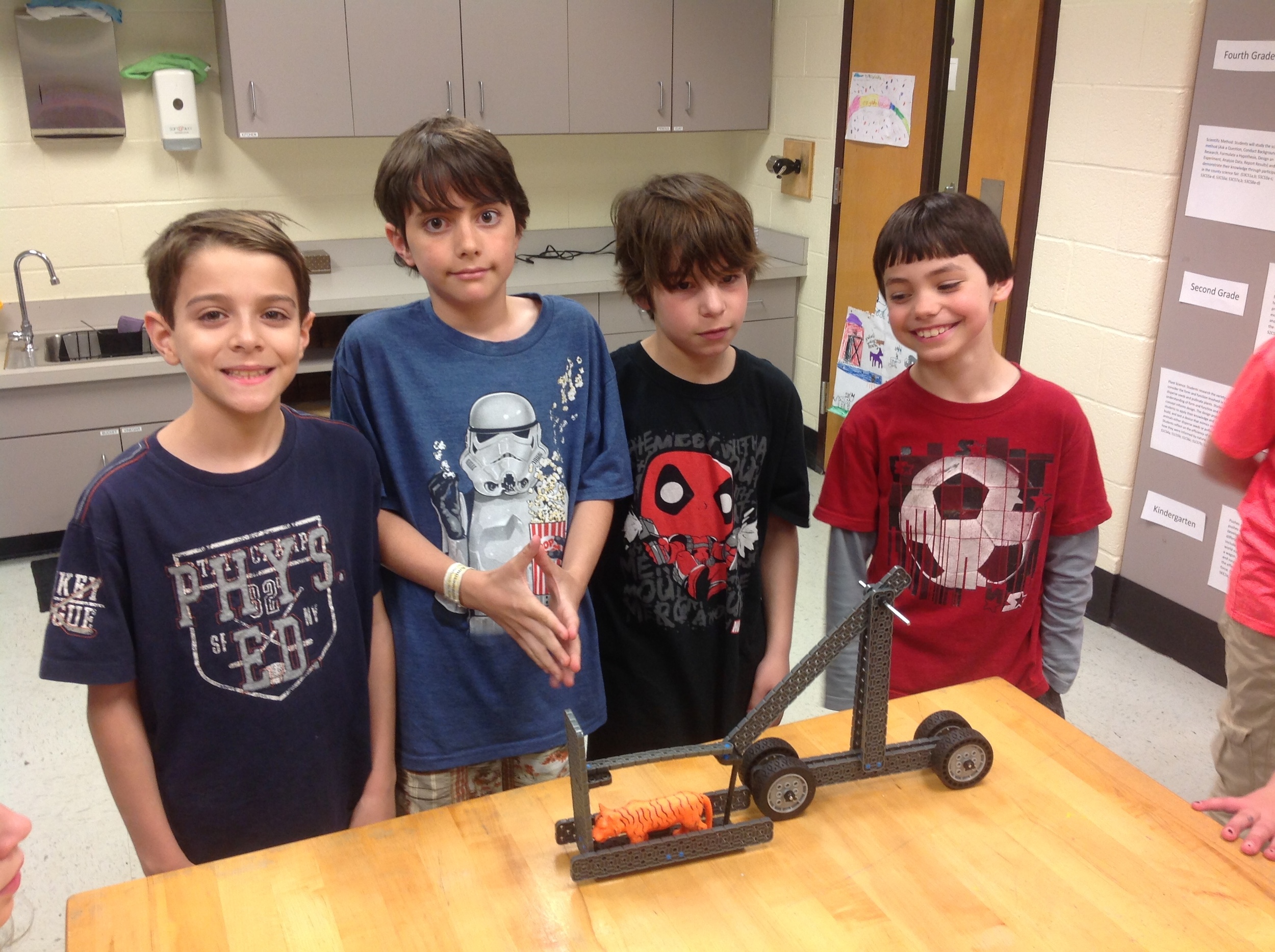
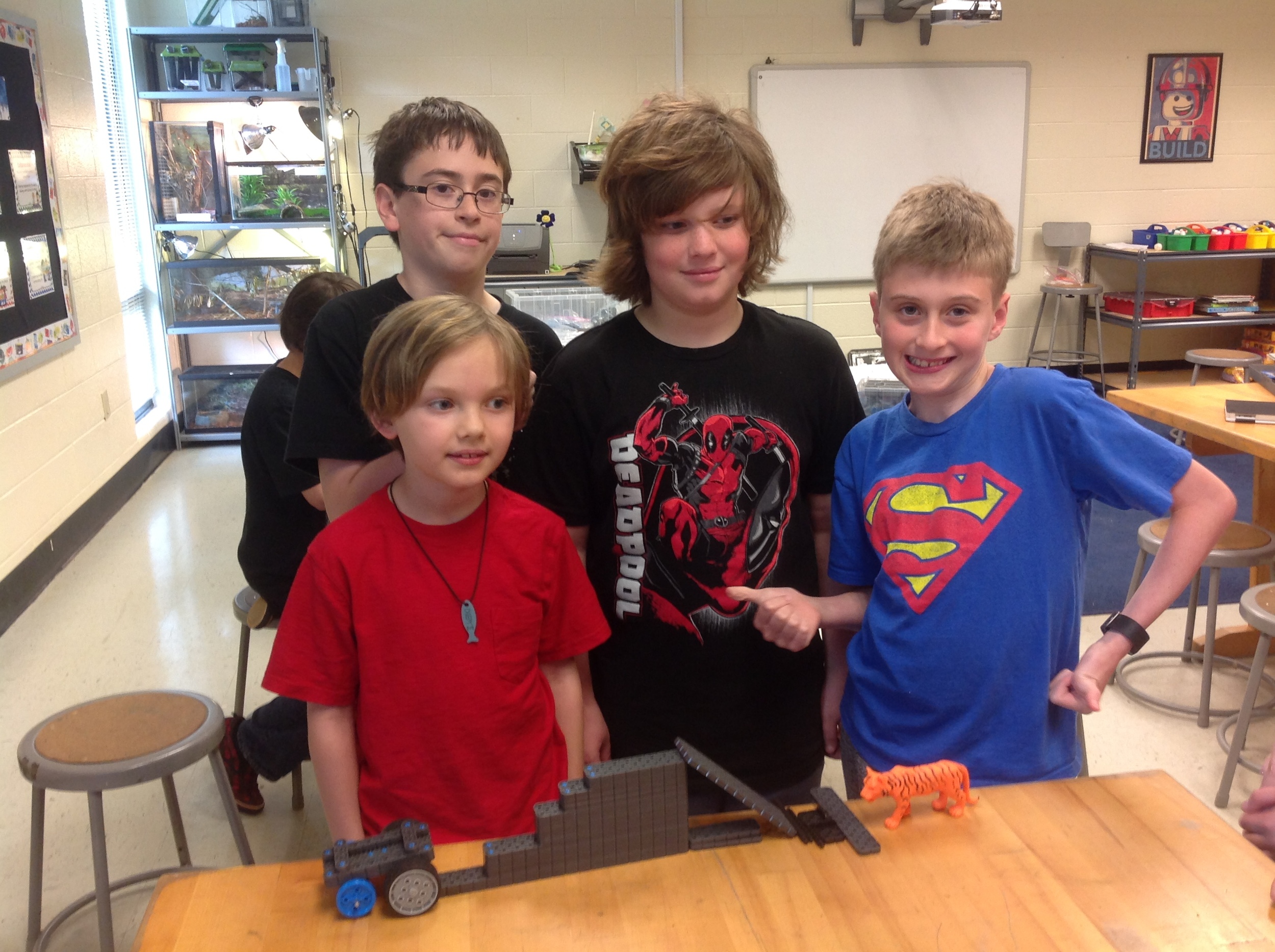
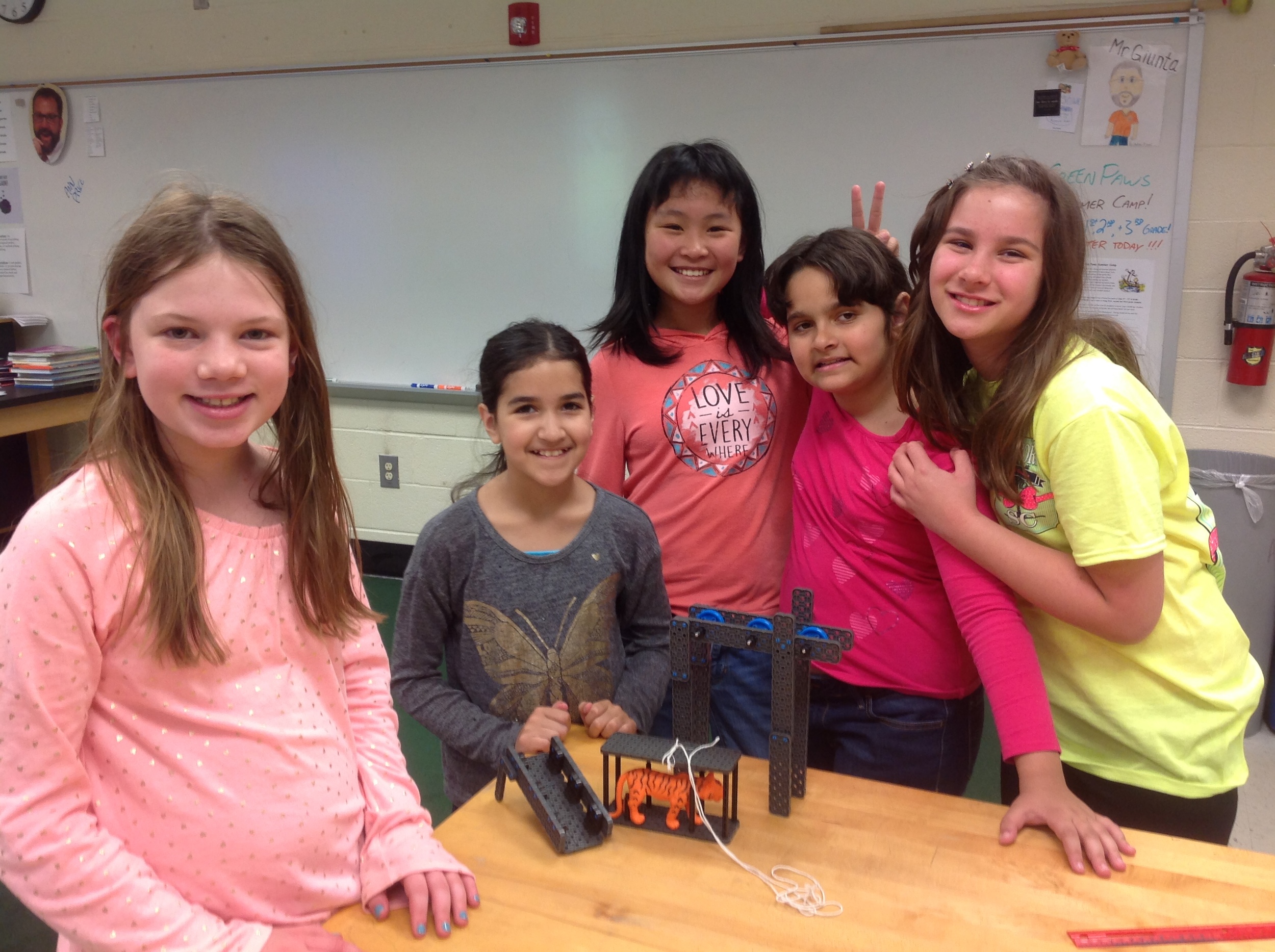
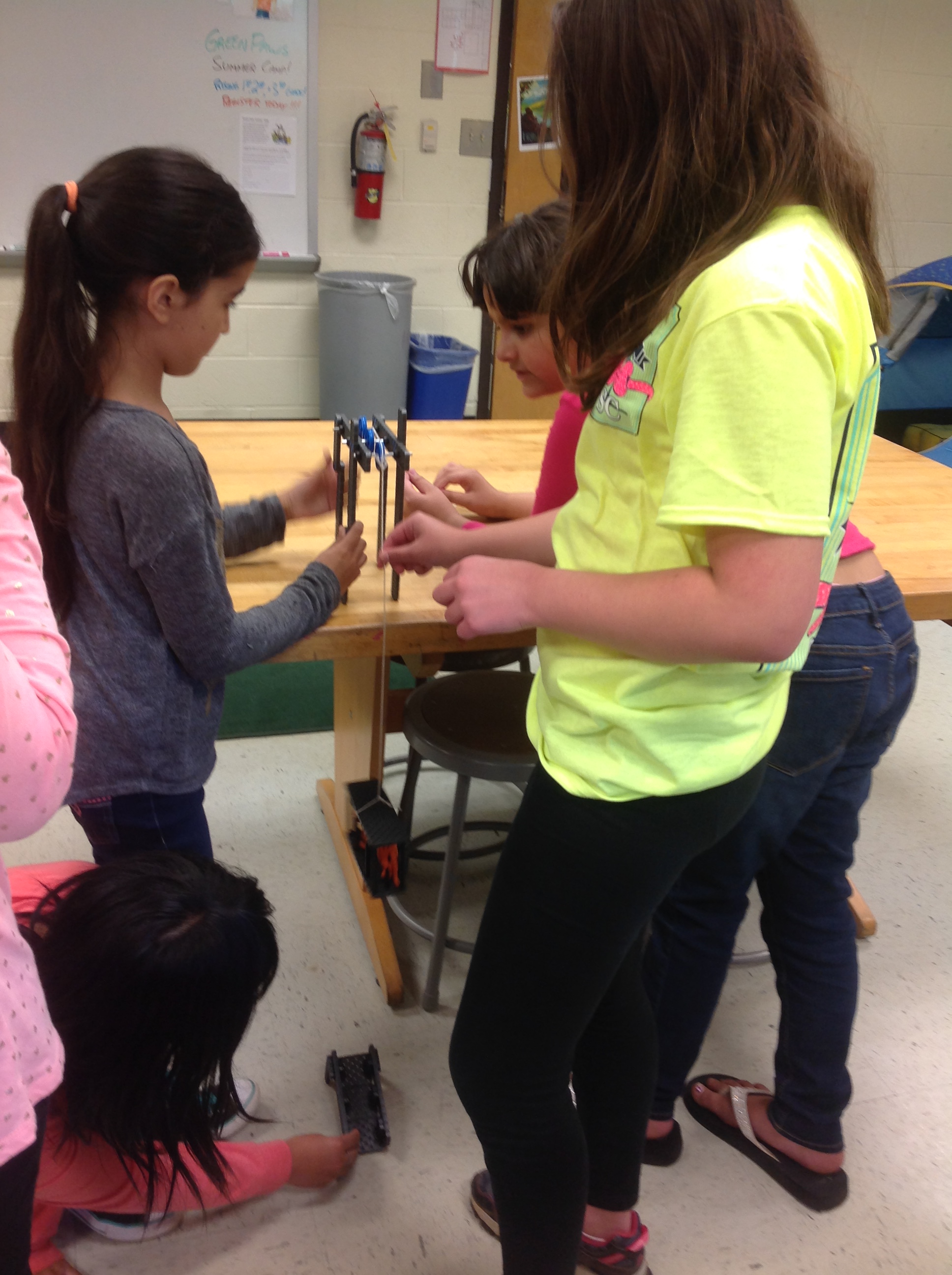
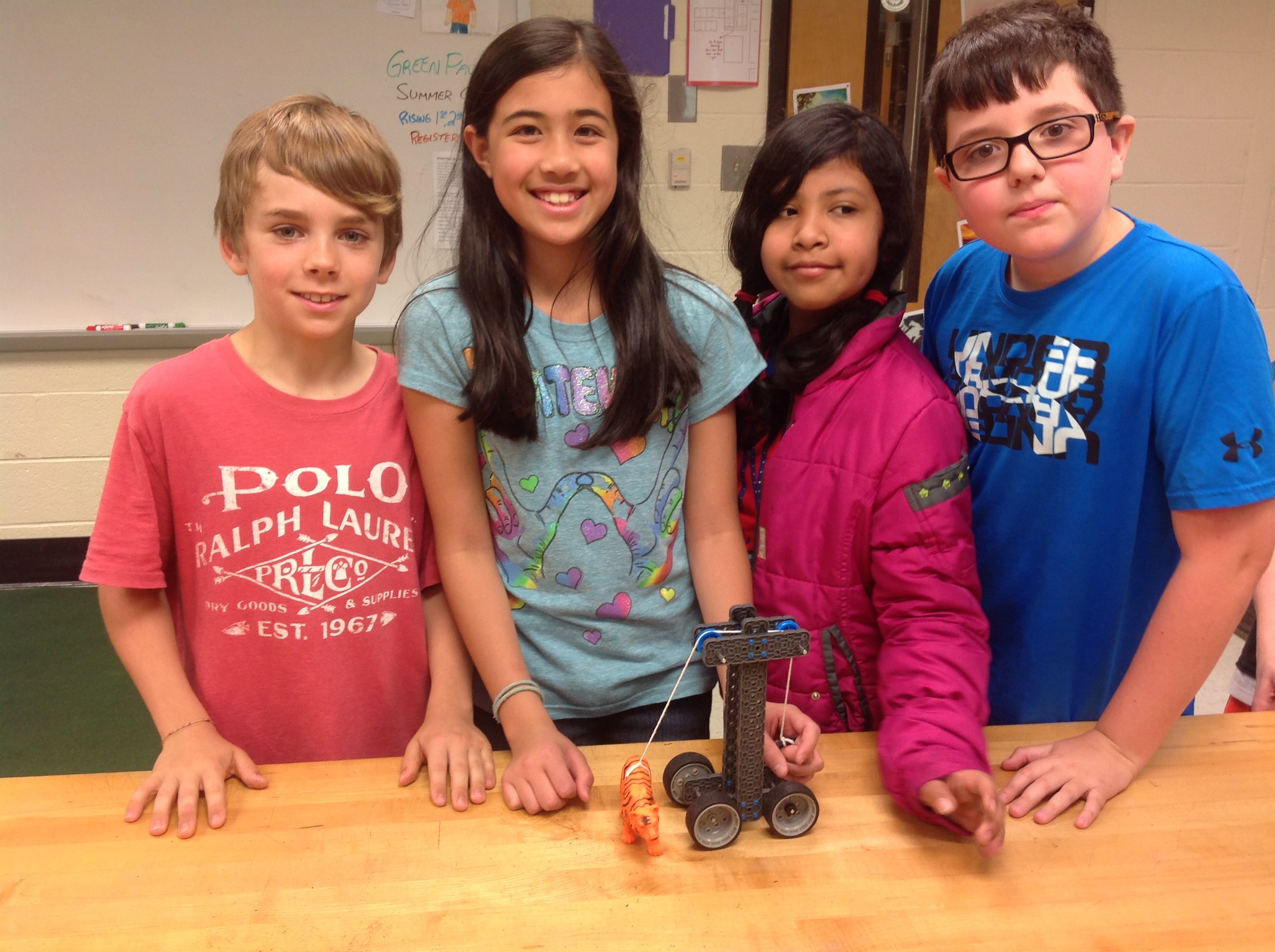
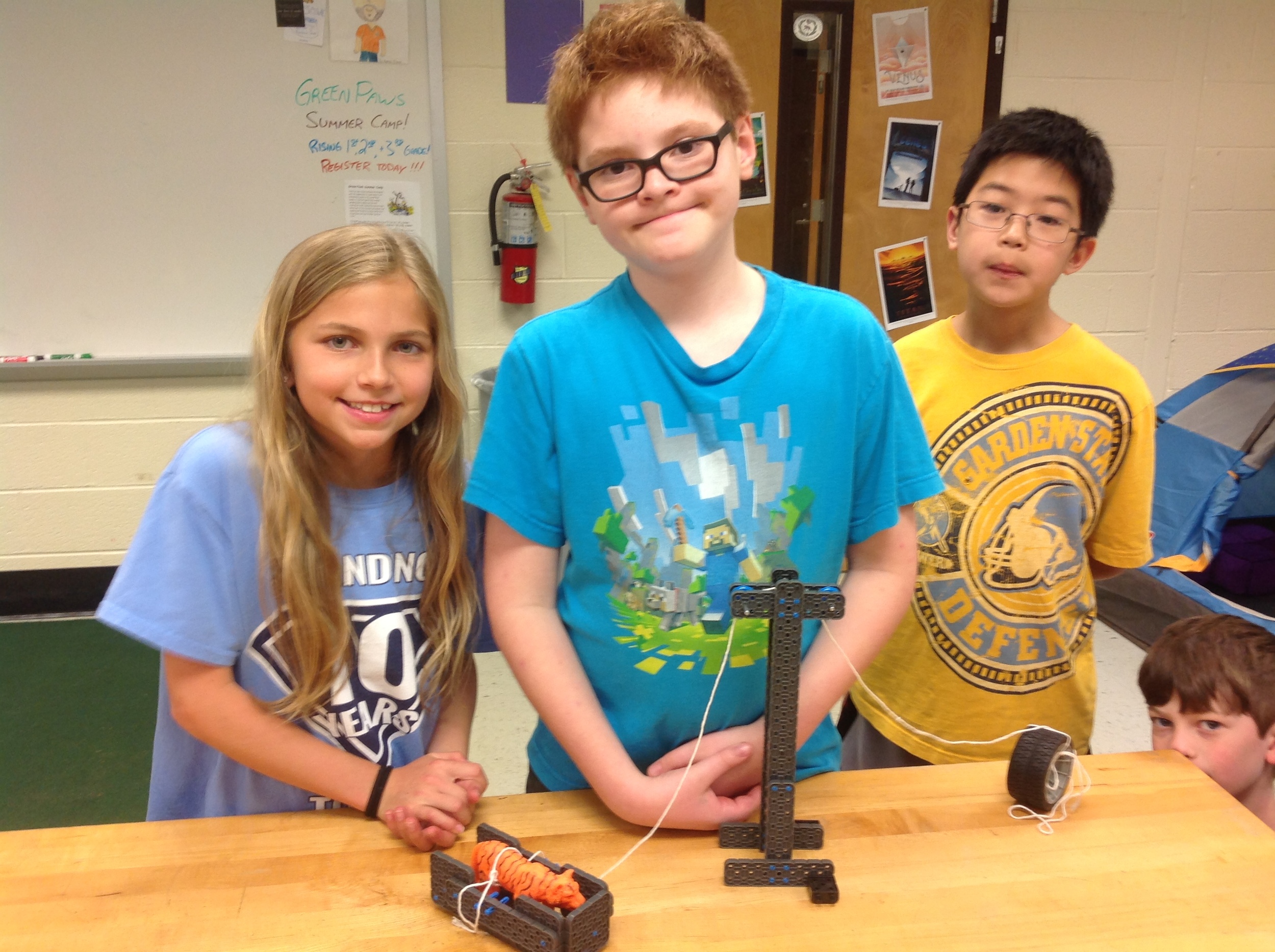
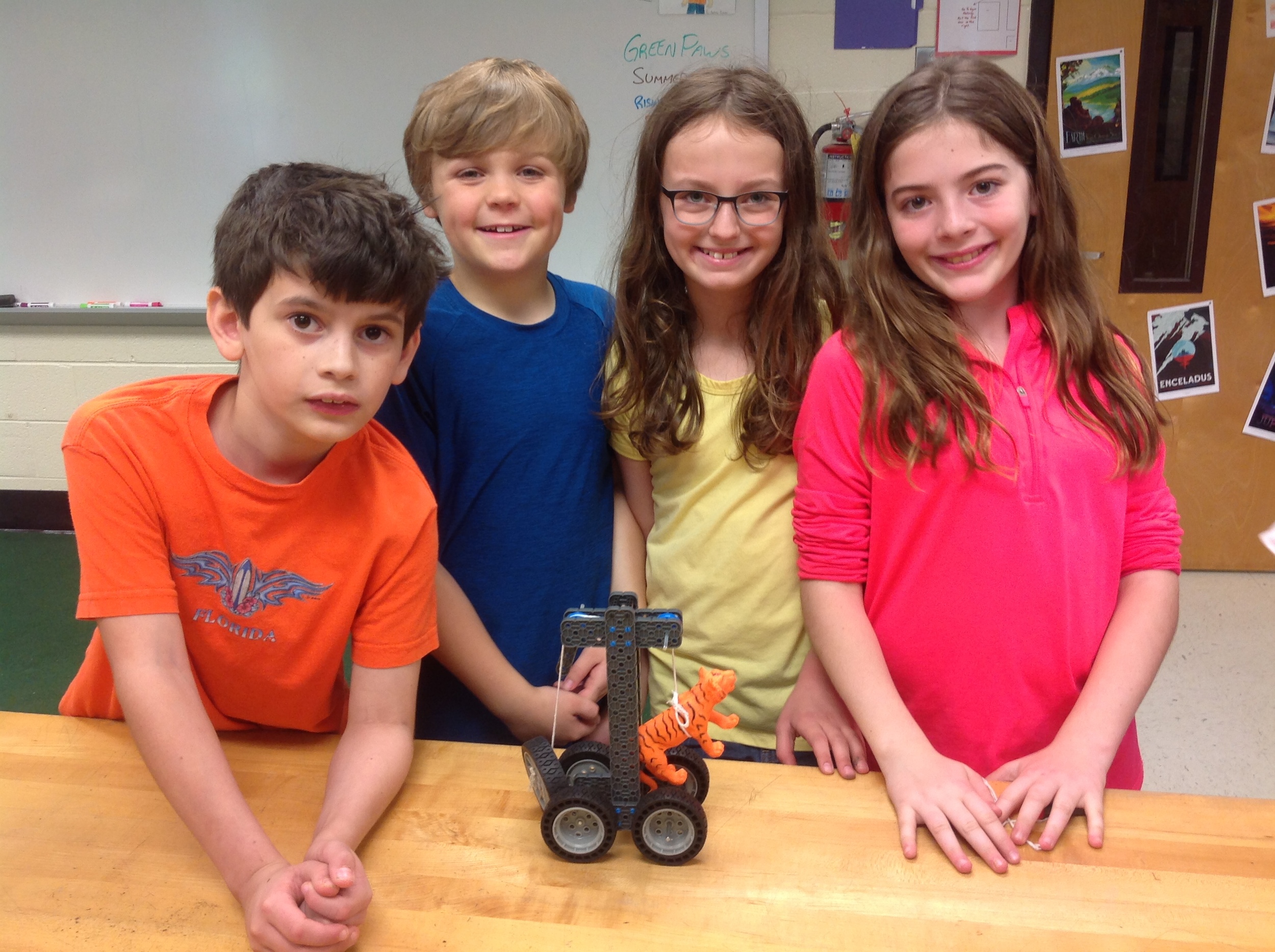
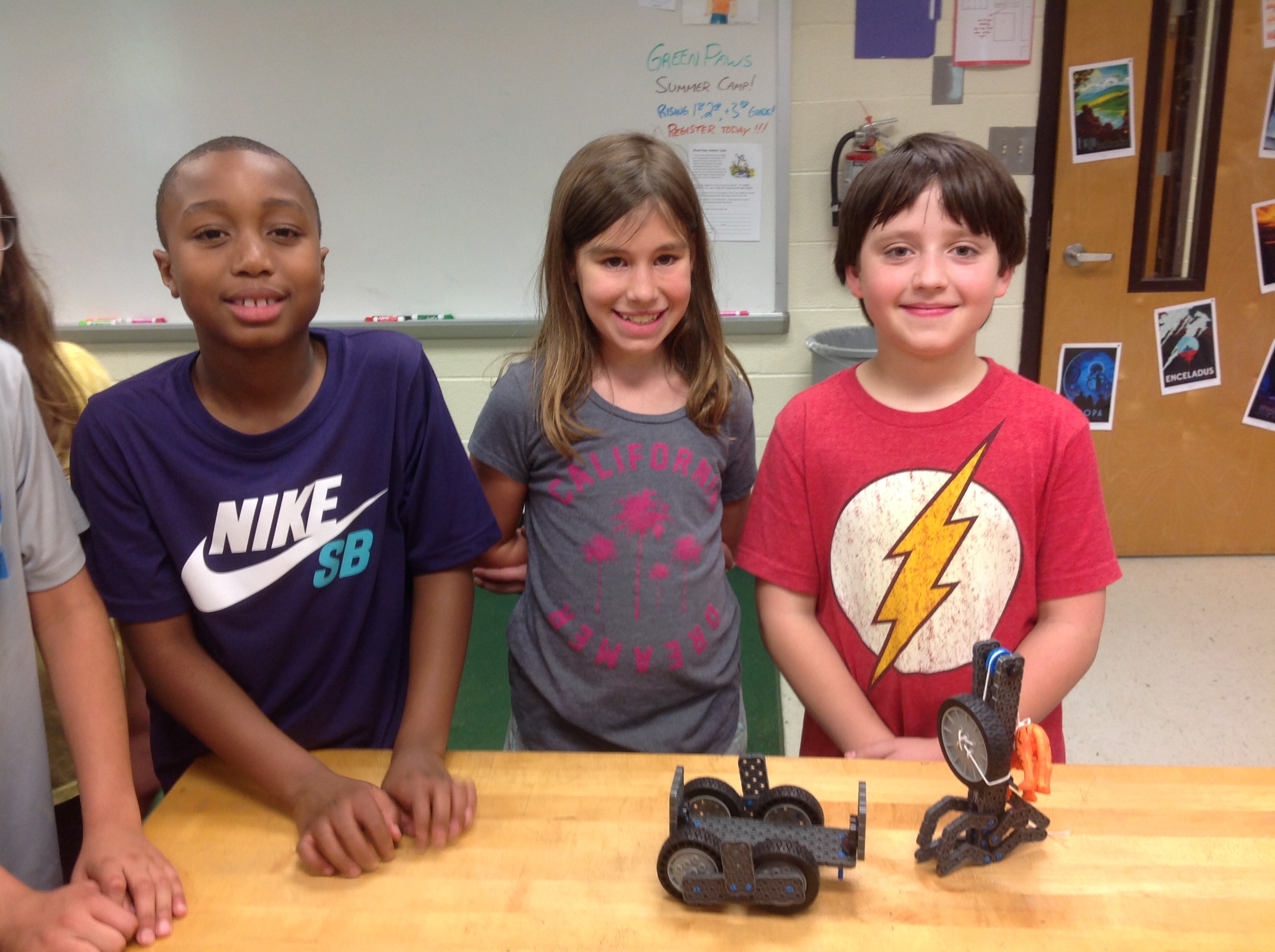
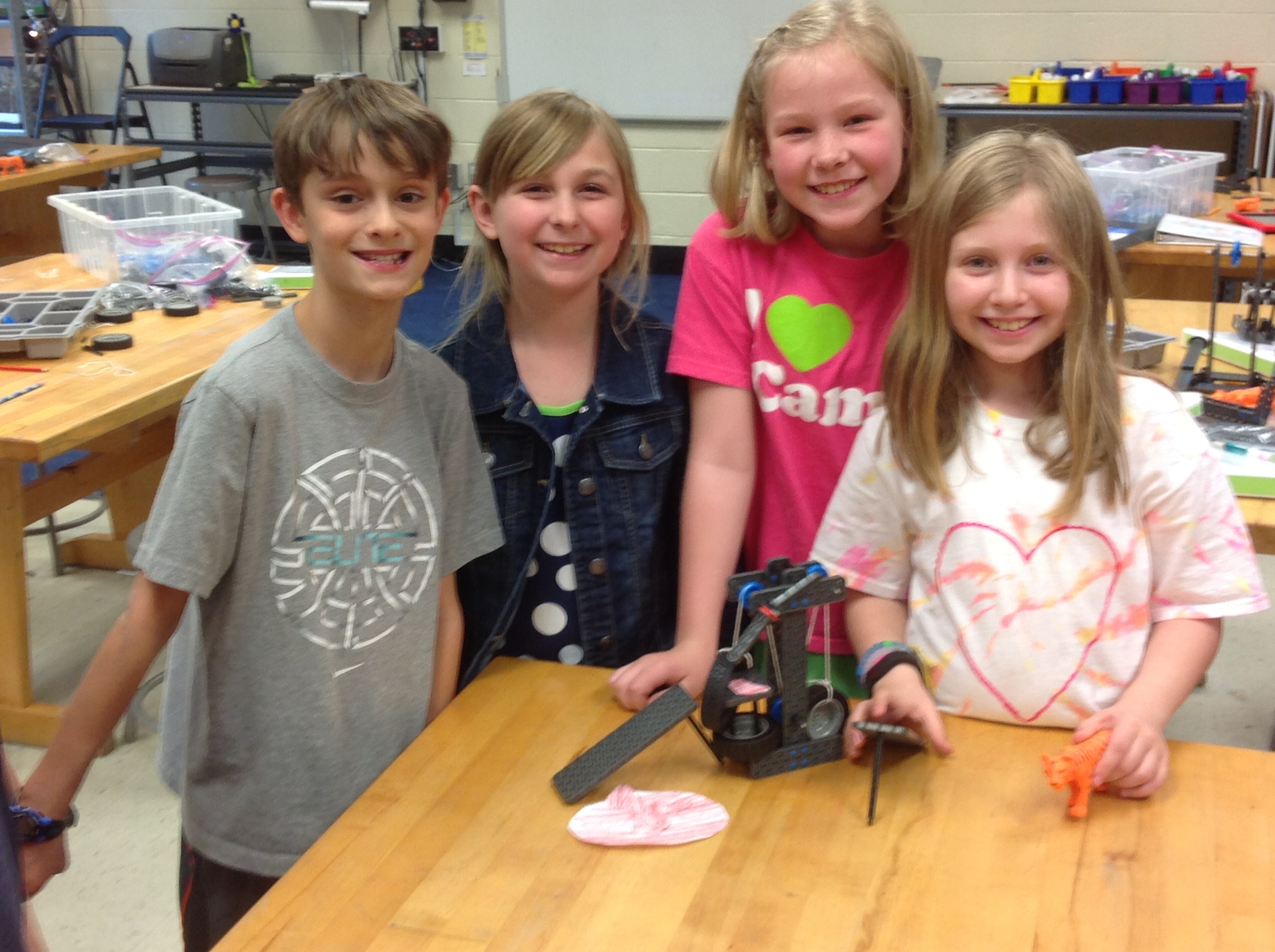
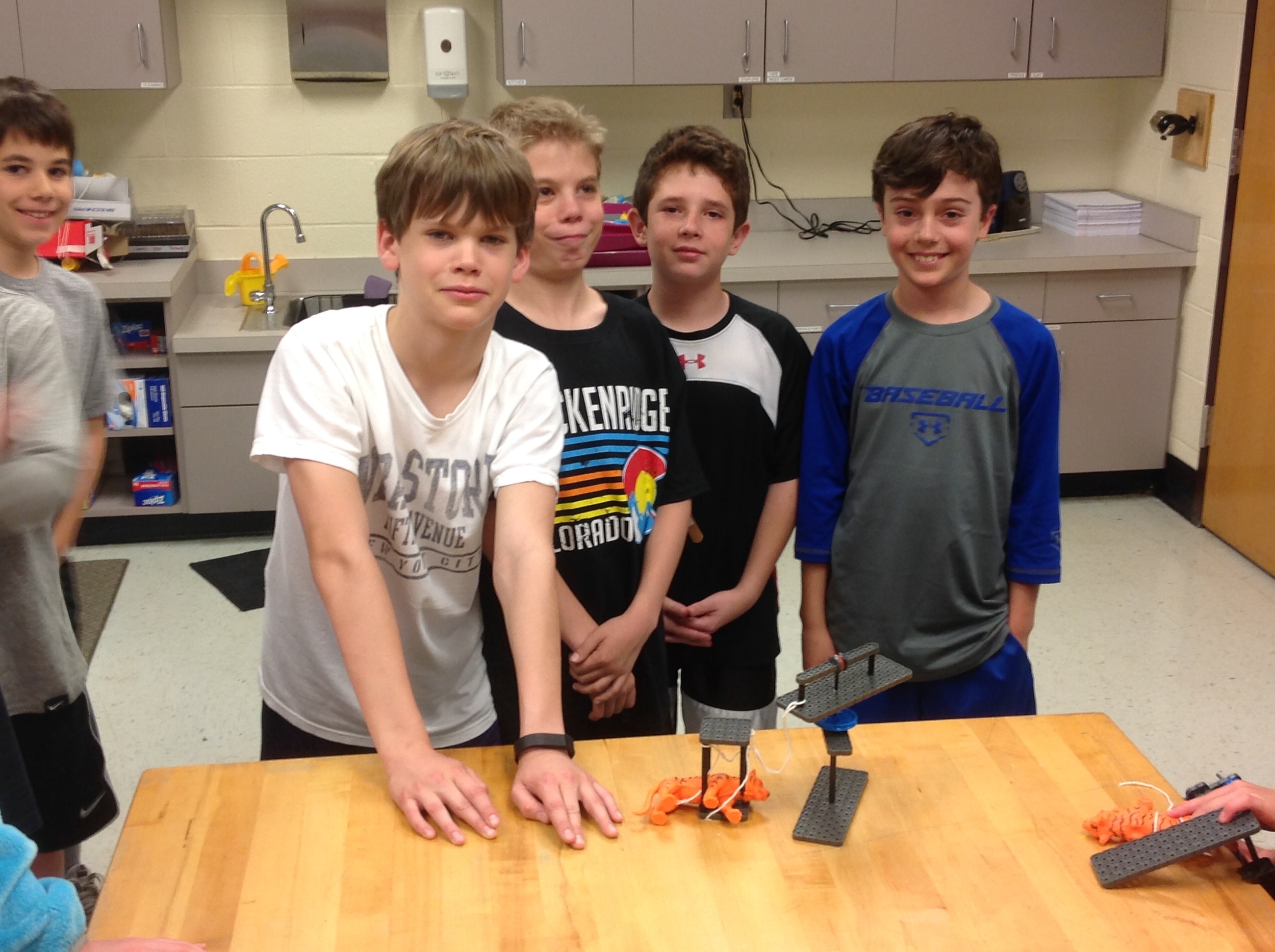
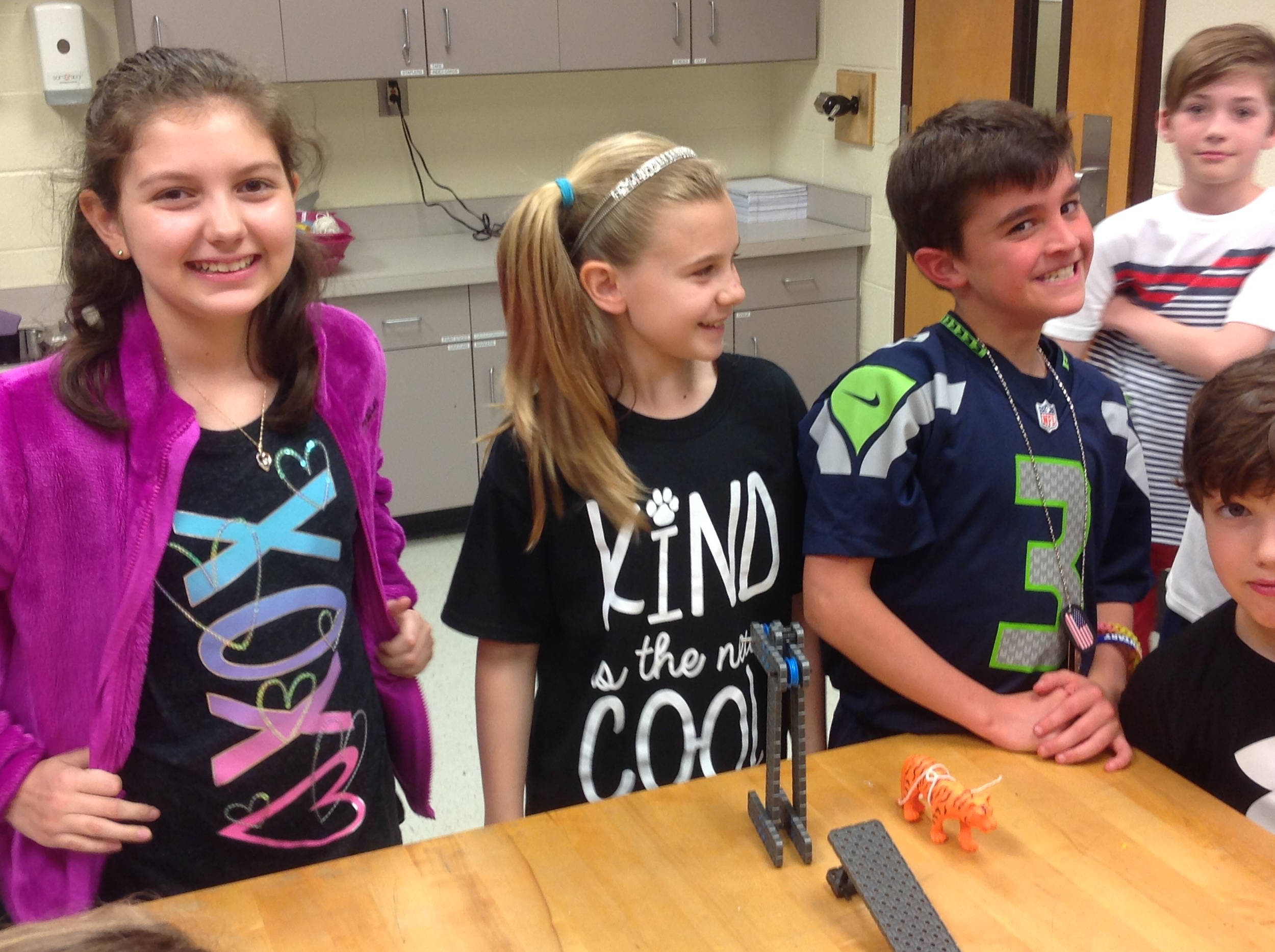
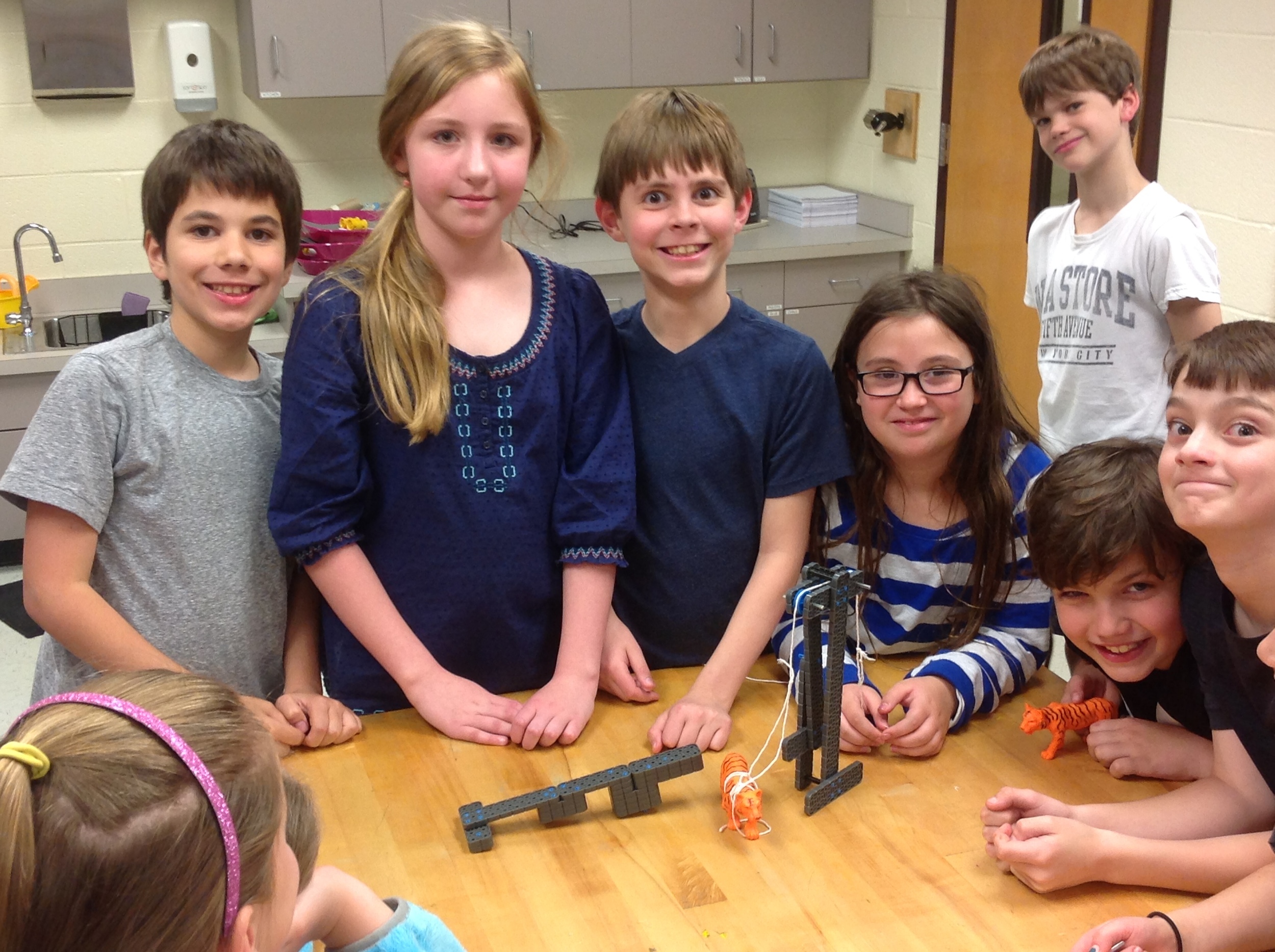
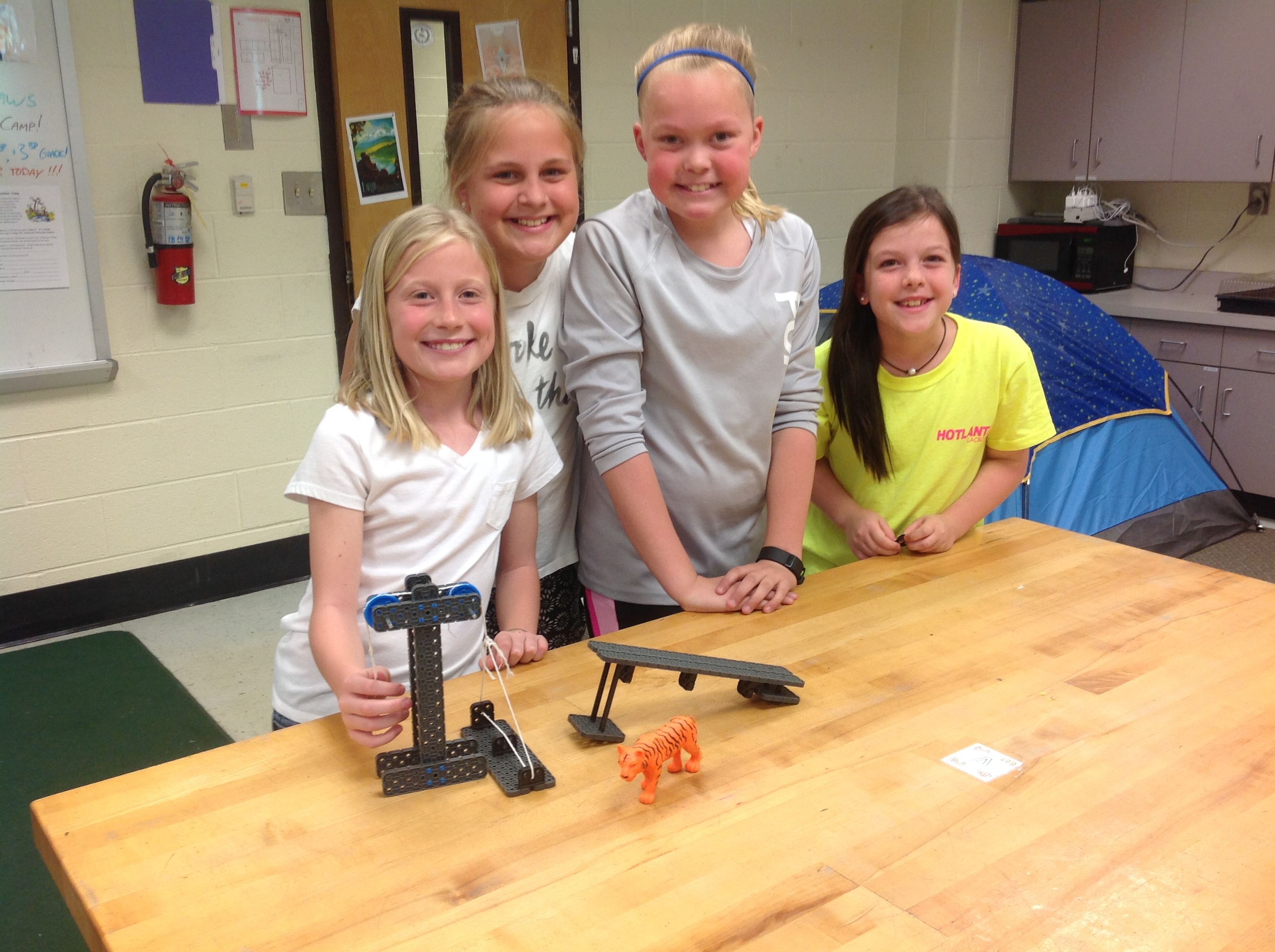
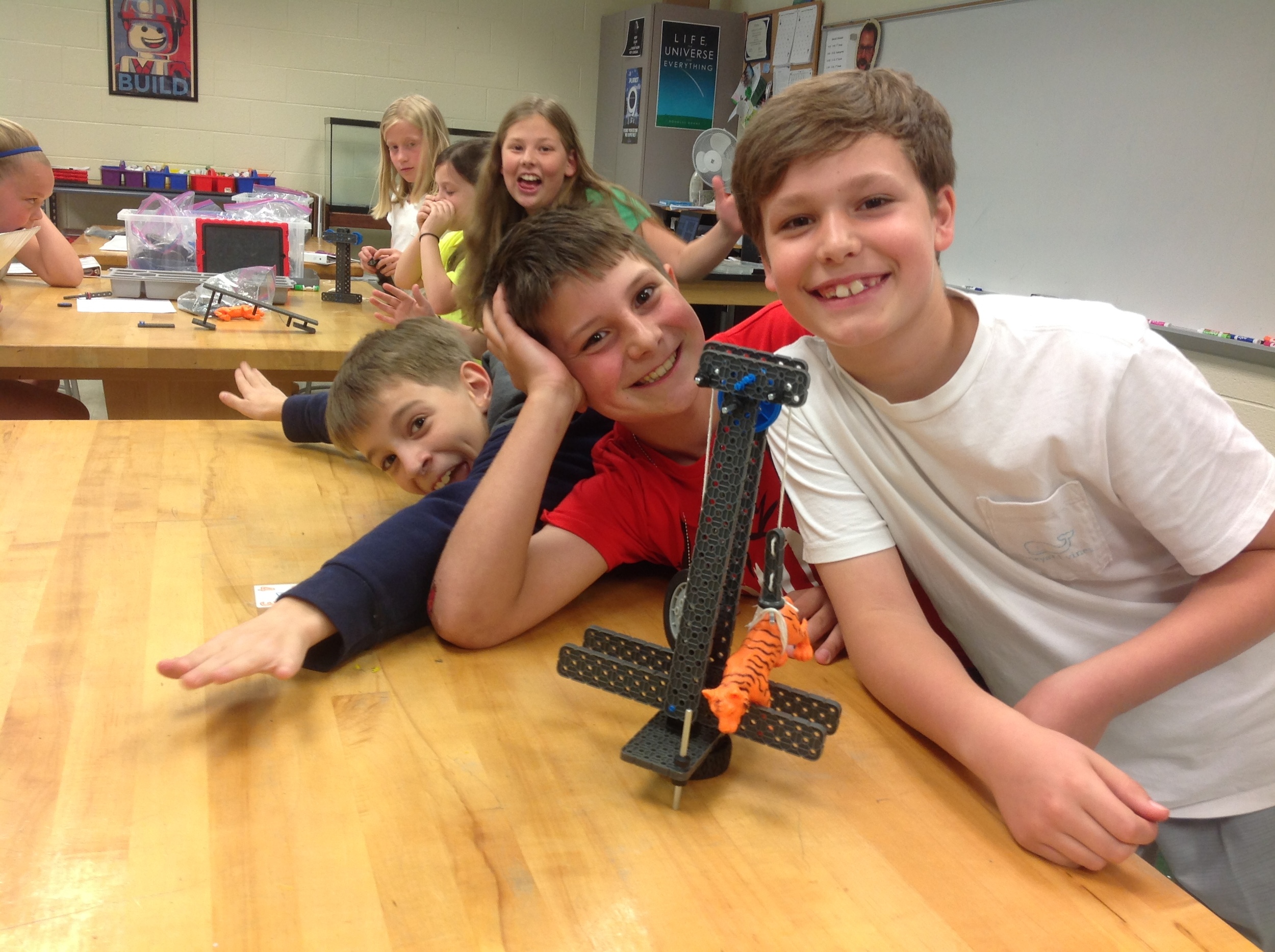
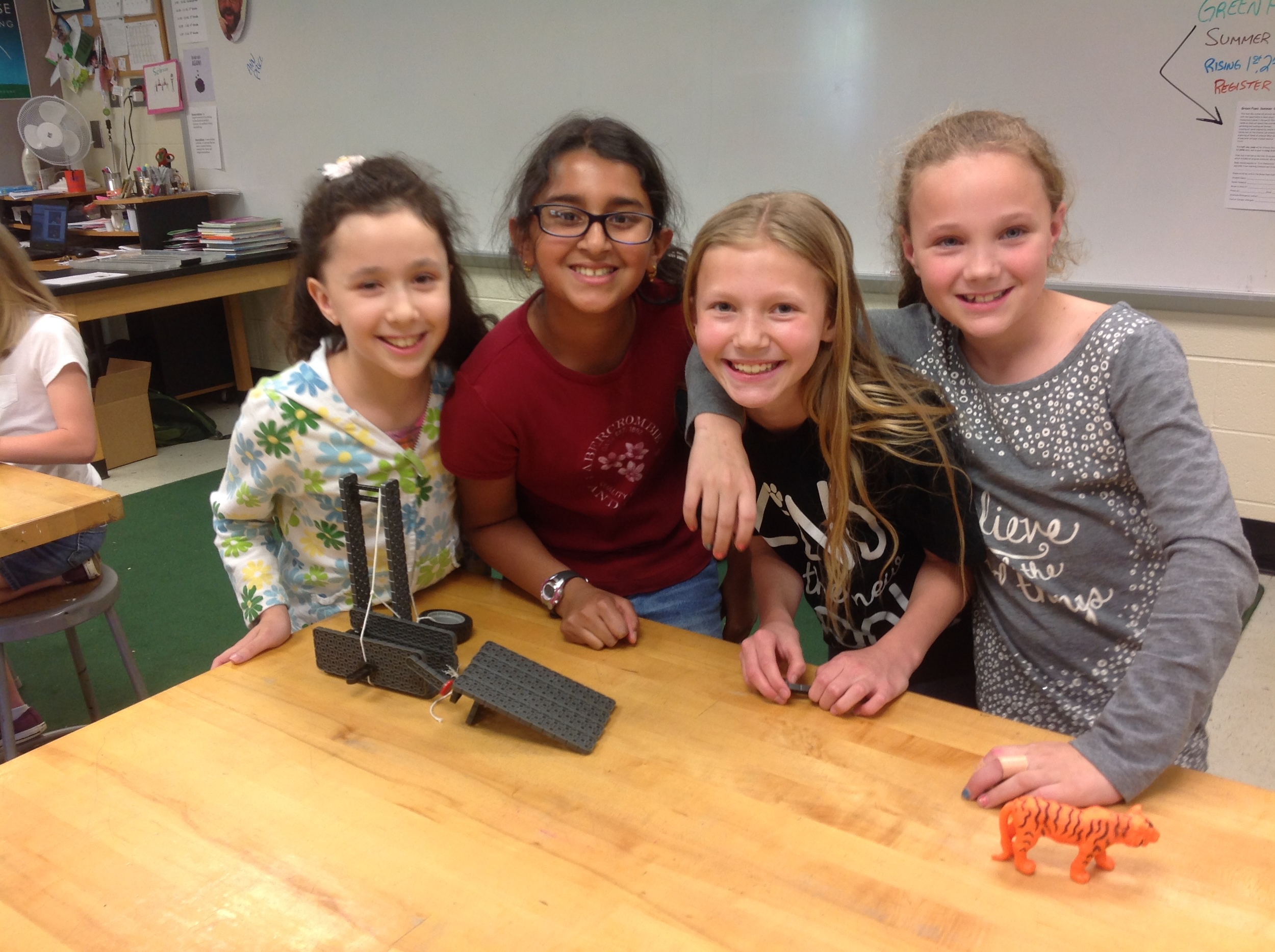
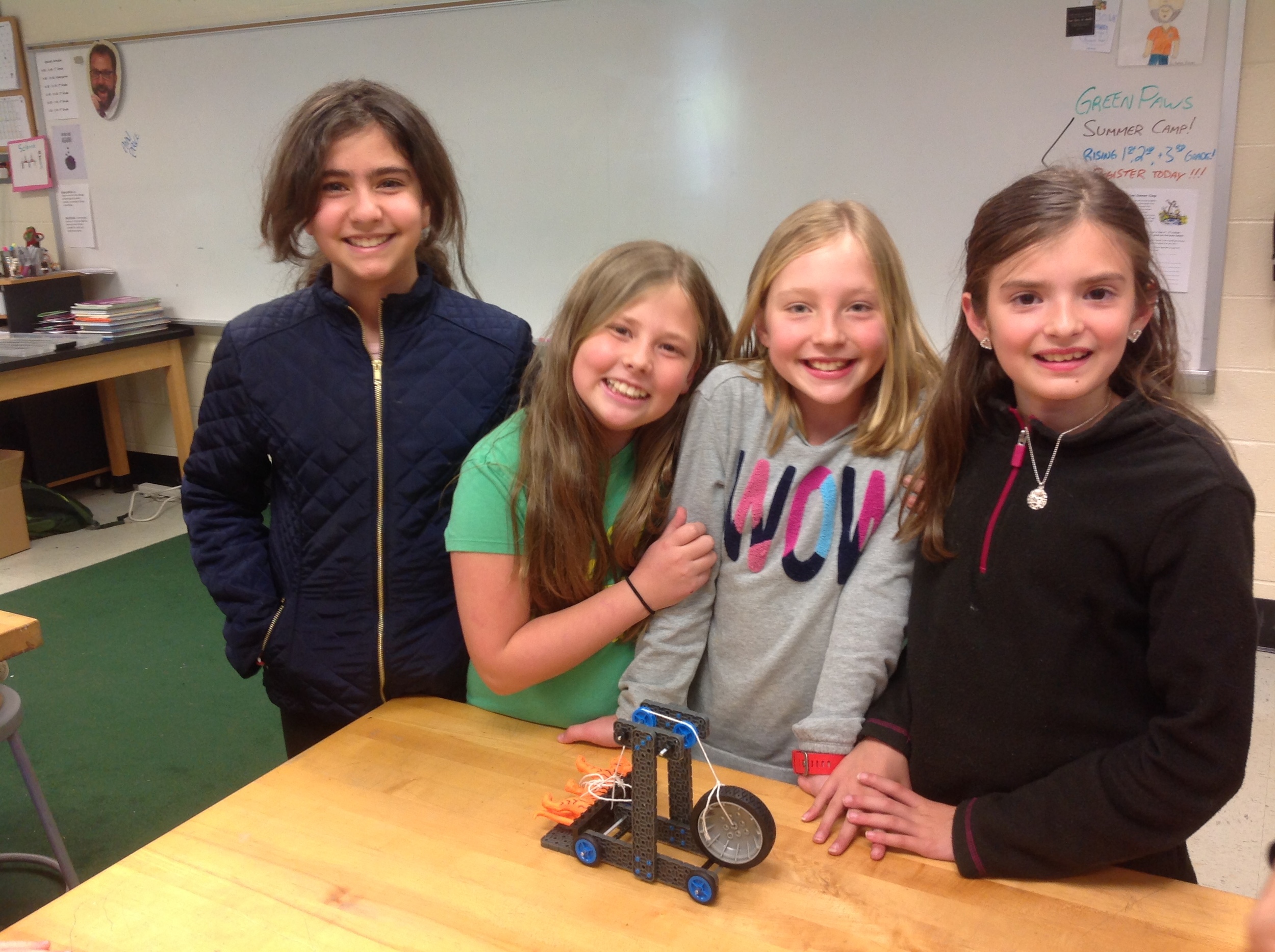
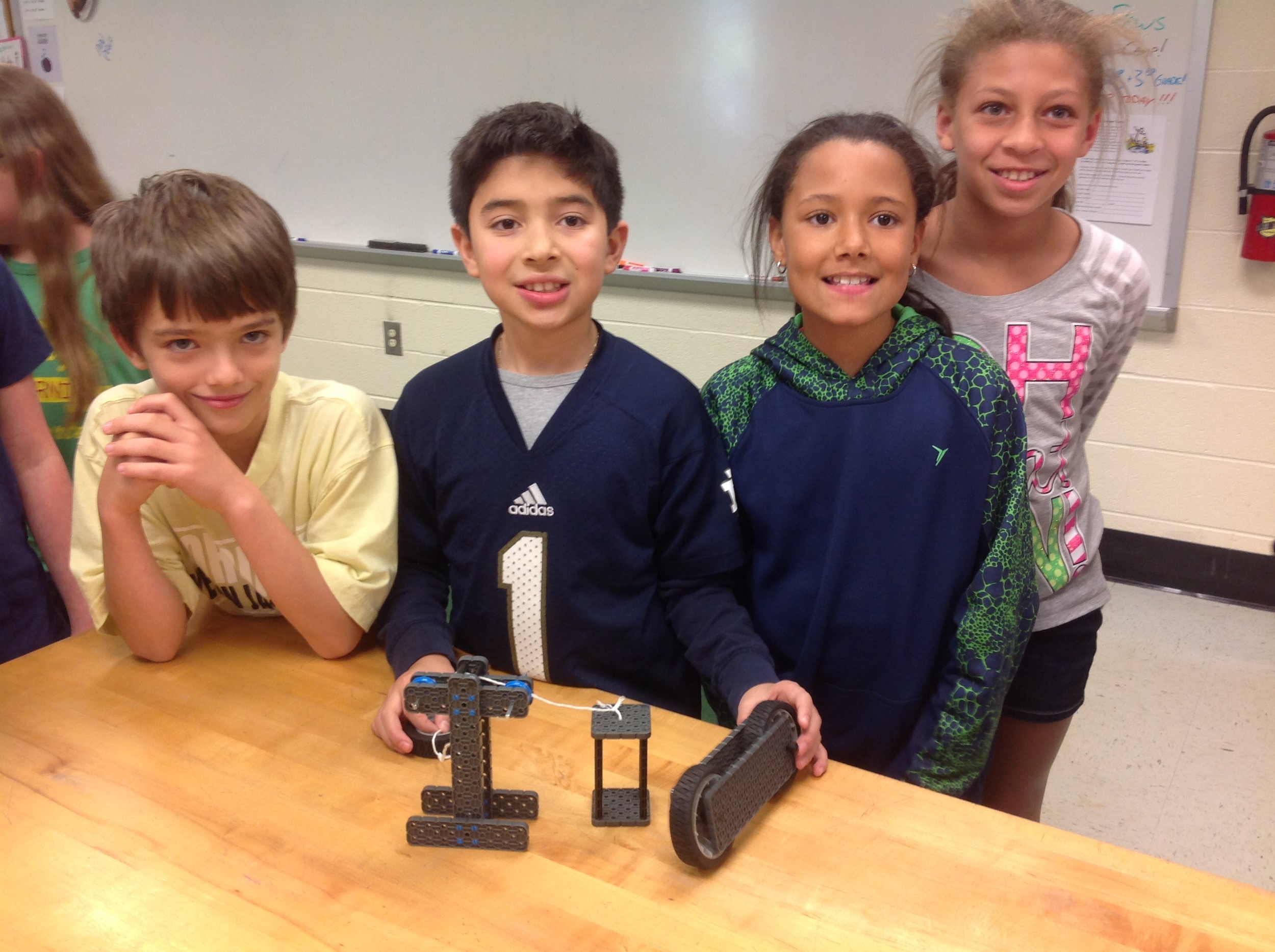
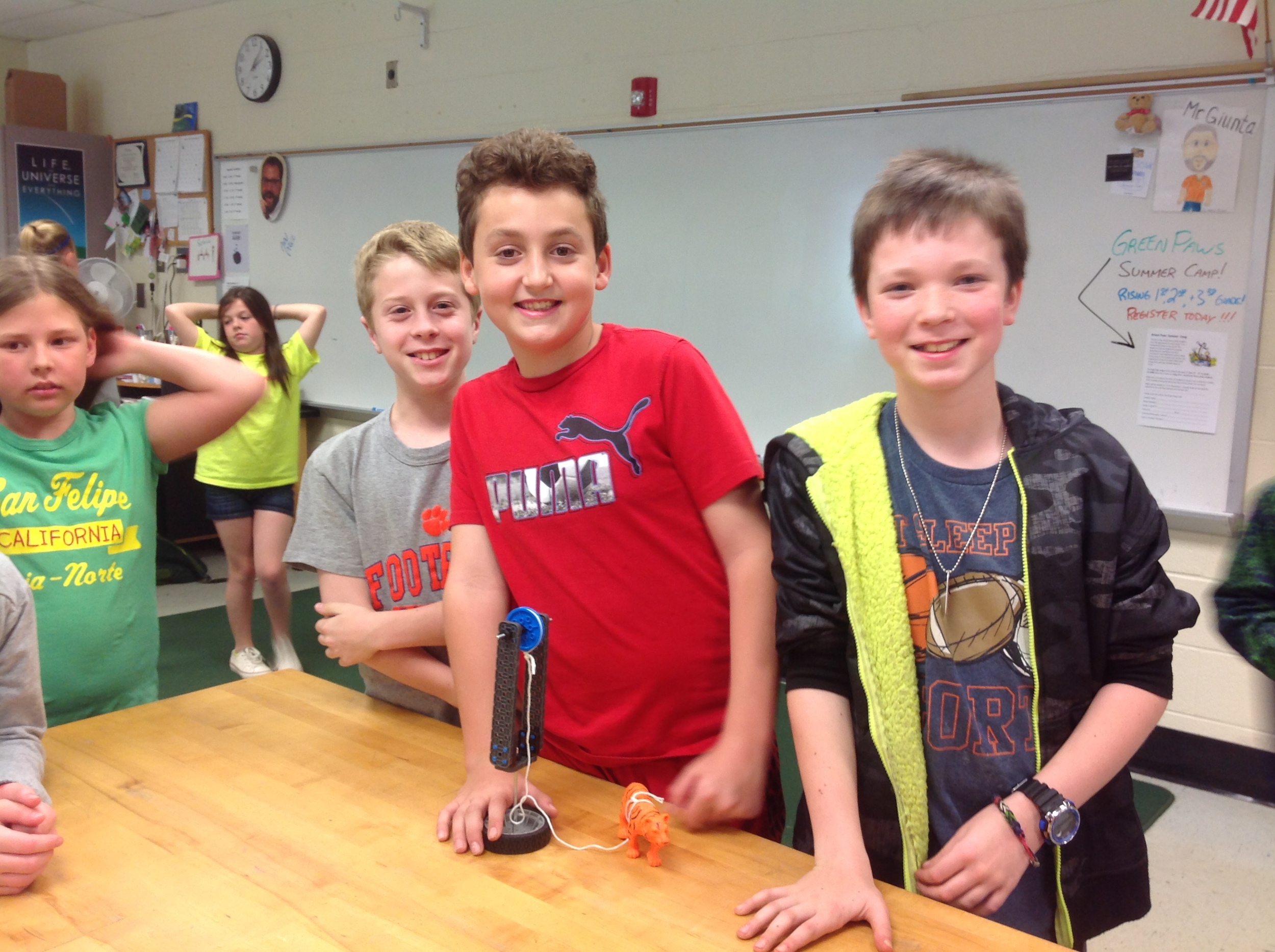
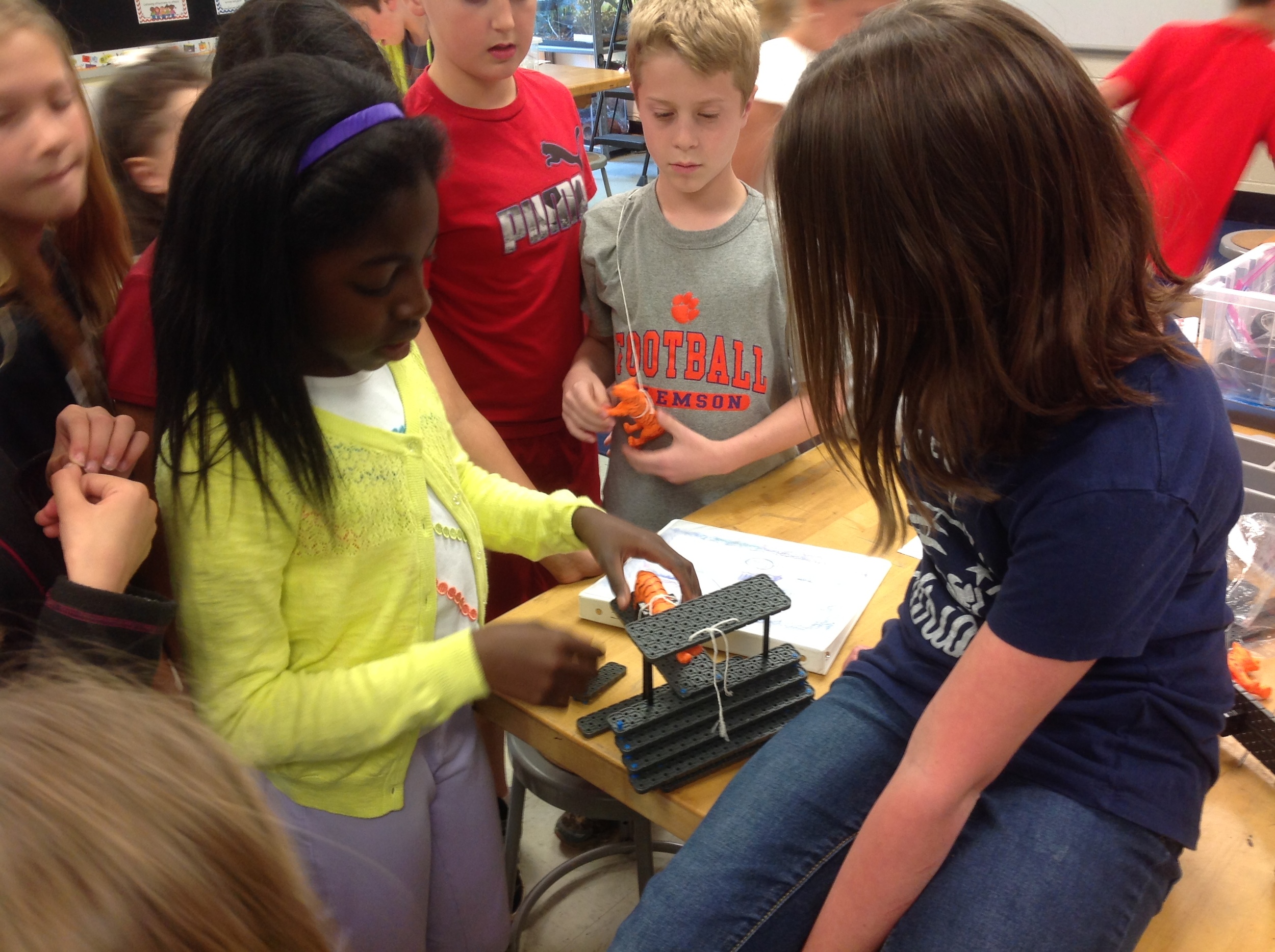
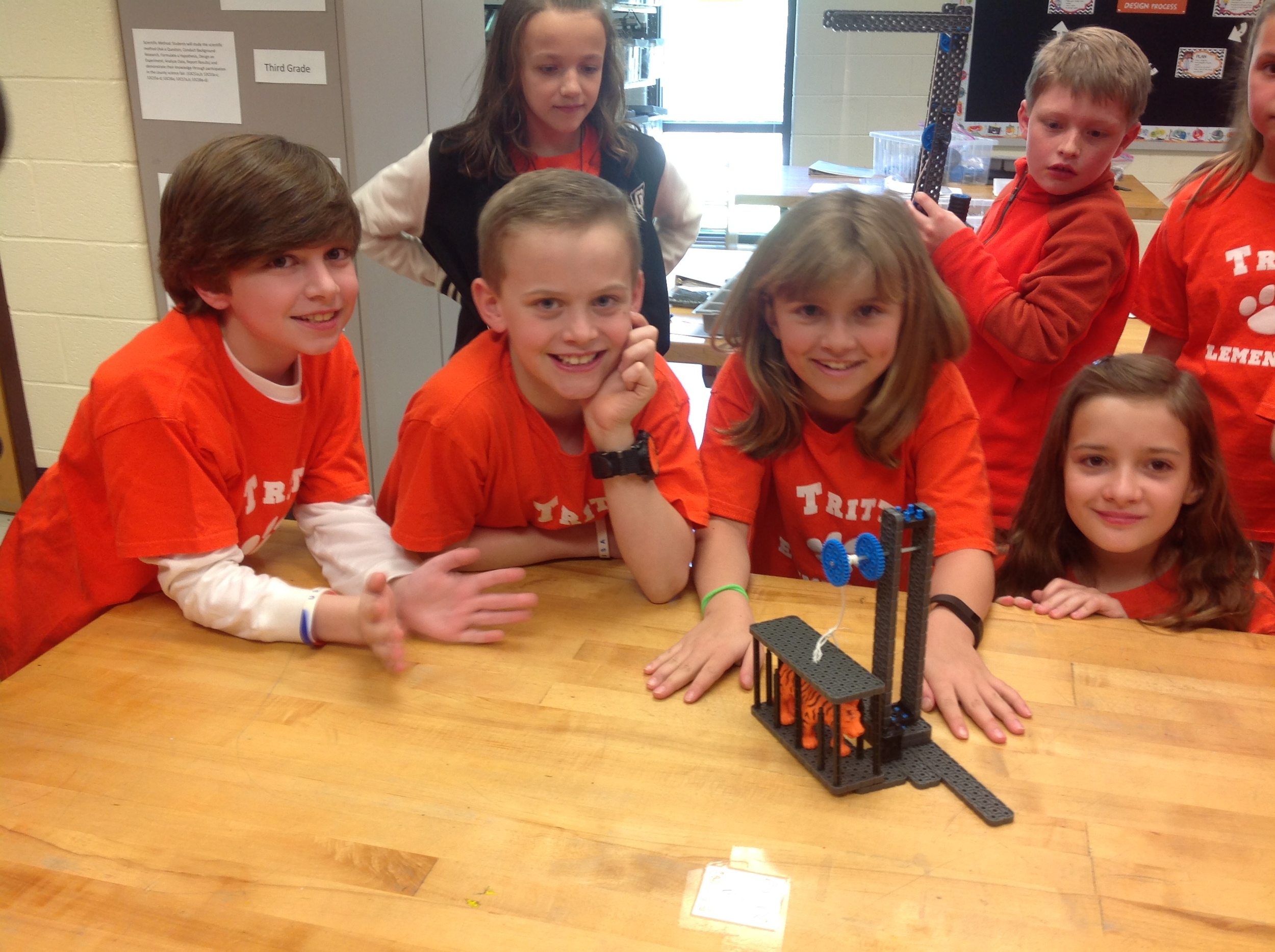
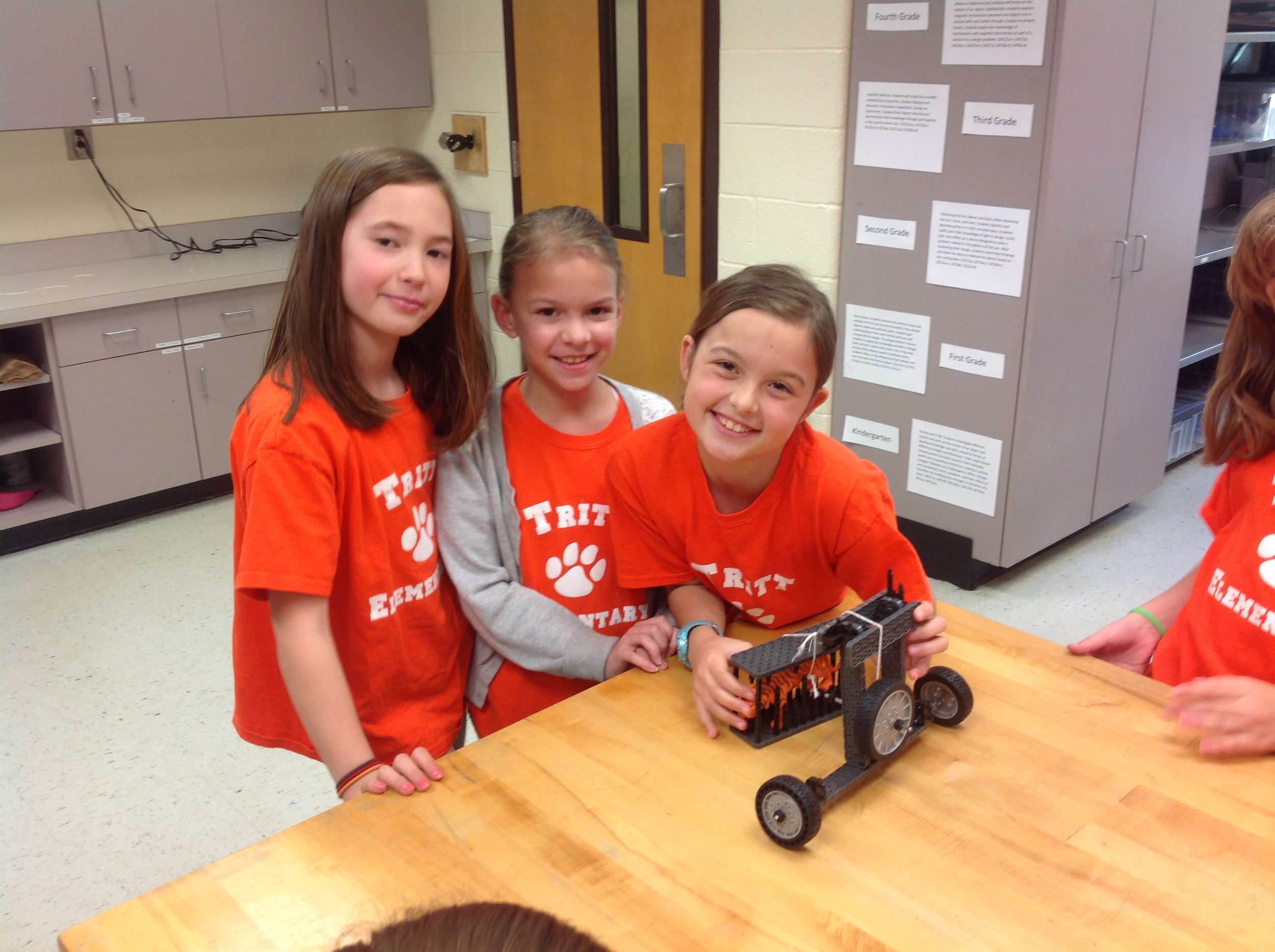
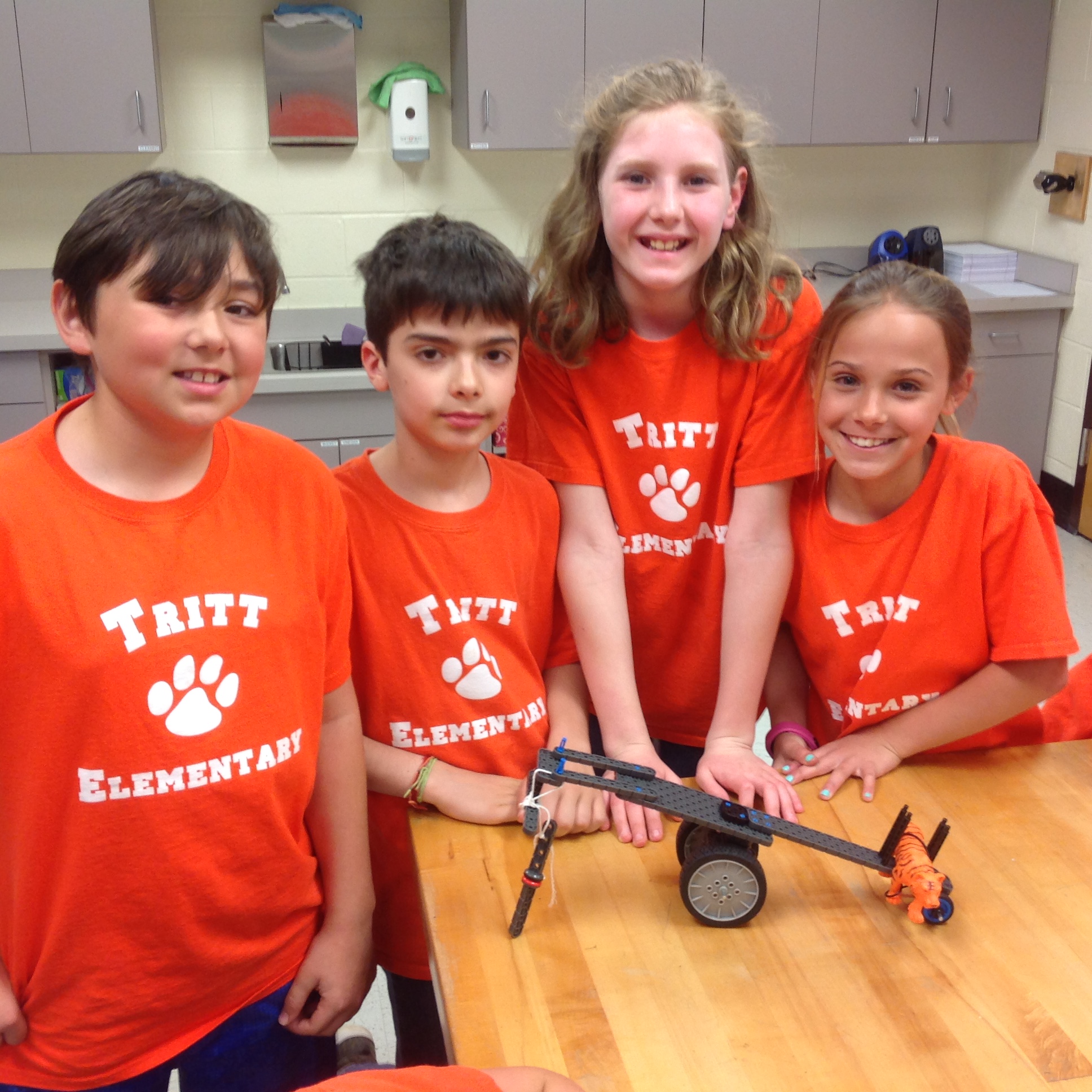
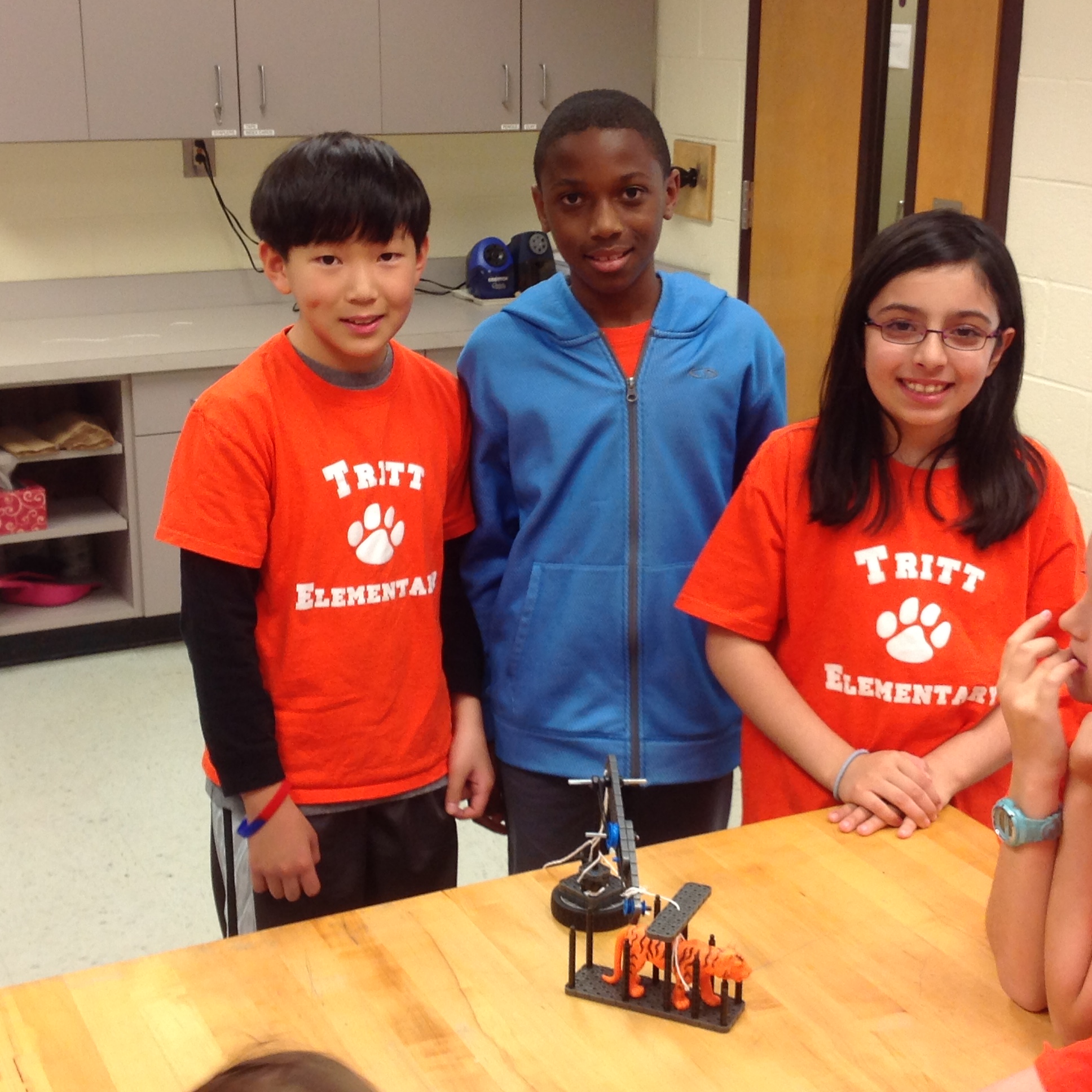
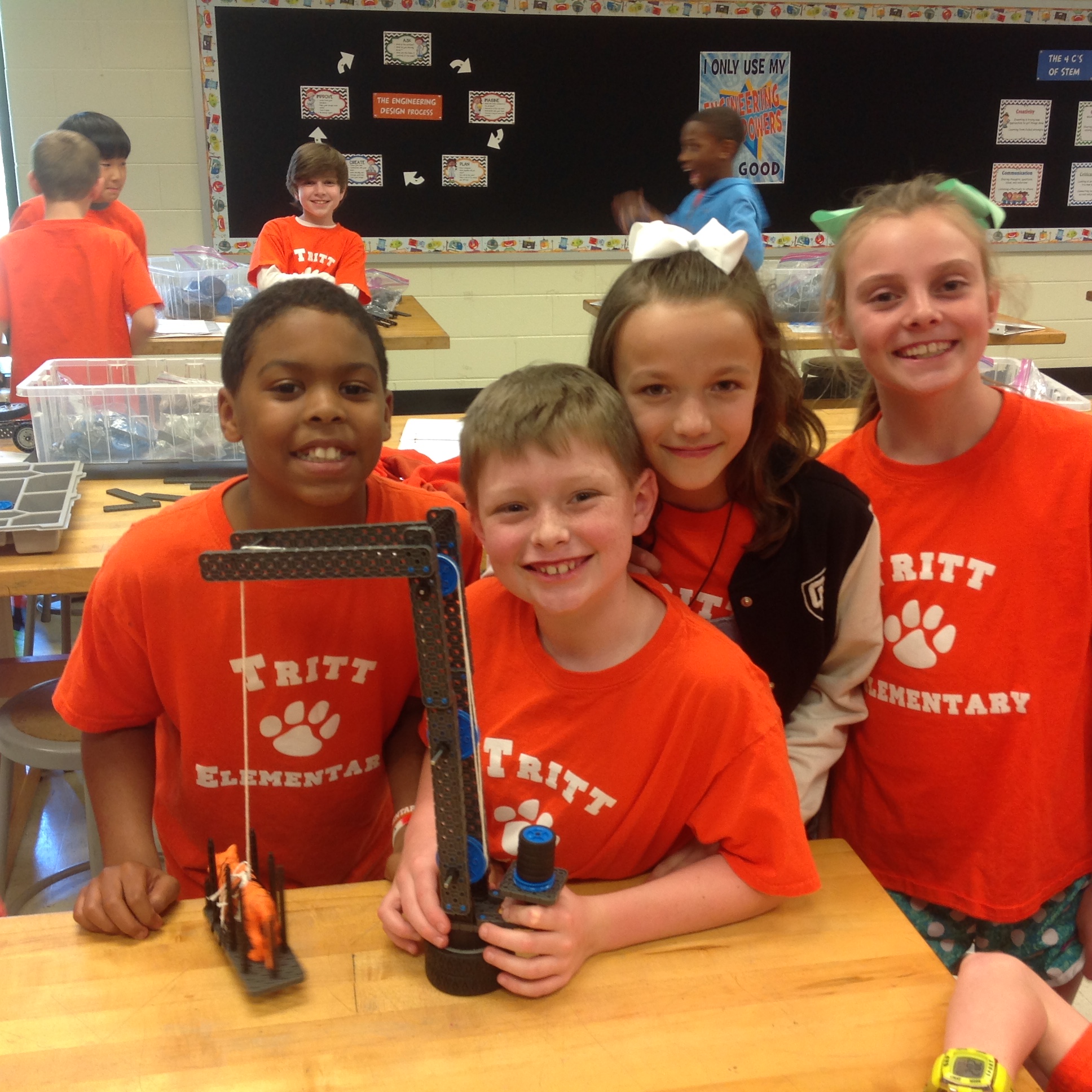
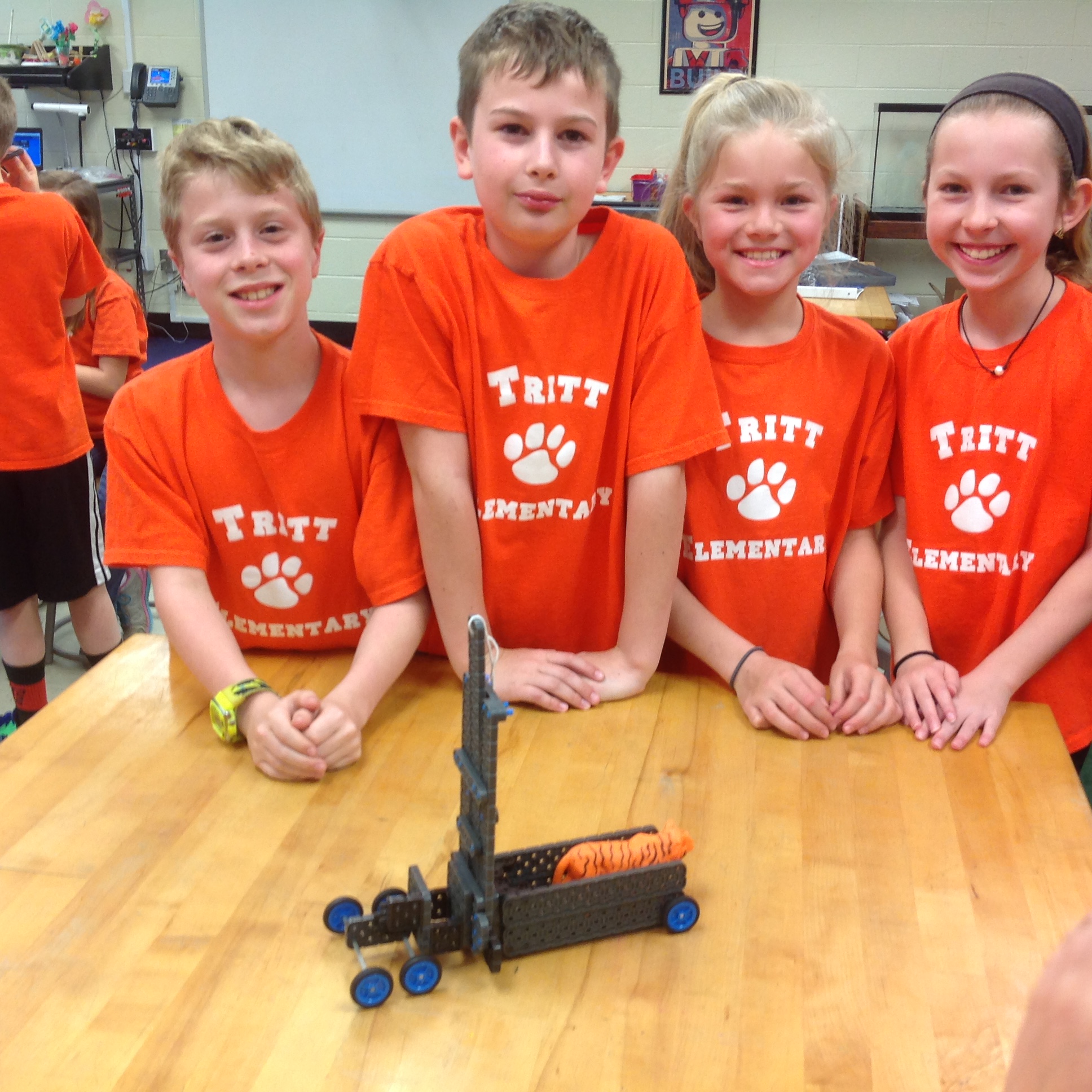
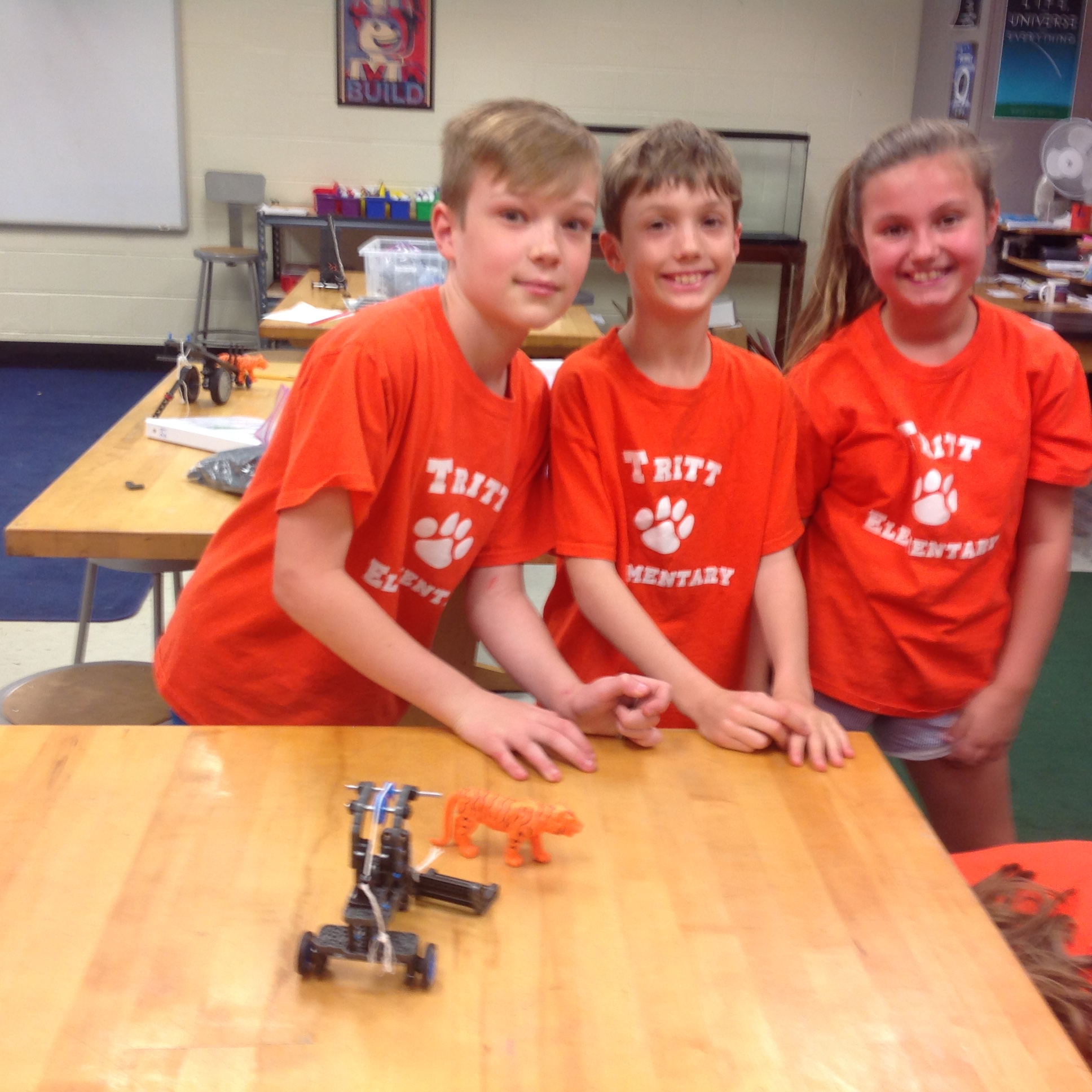
We are wrapping up our compound machine unit in 4th grade, and Mrs. Blick's class is the first to tackle the problem: Can we make a model of a machine that will lift our tigers 4" and set them down in a new place? Take a look below!

Pushes & Pulls: Bower
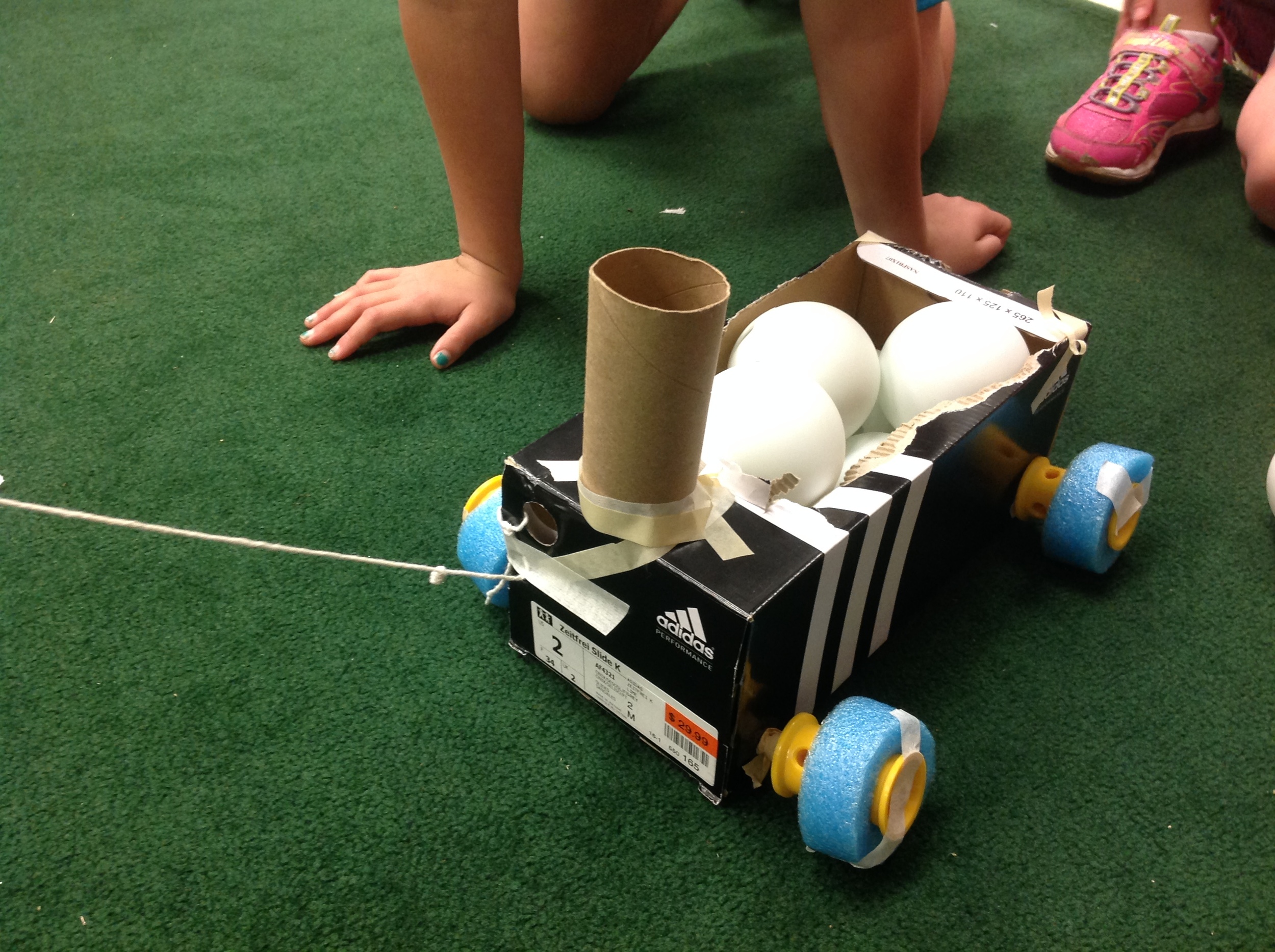
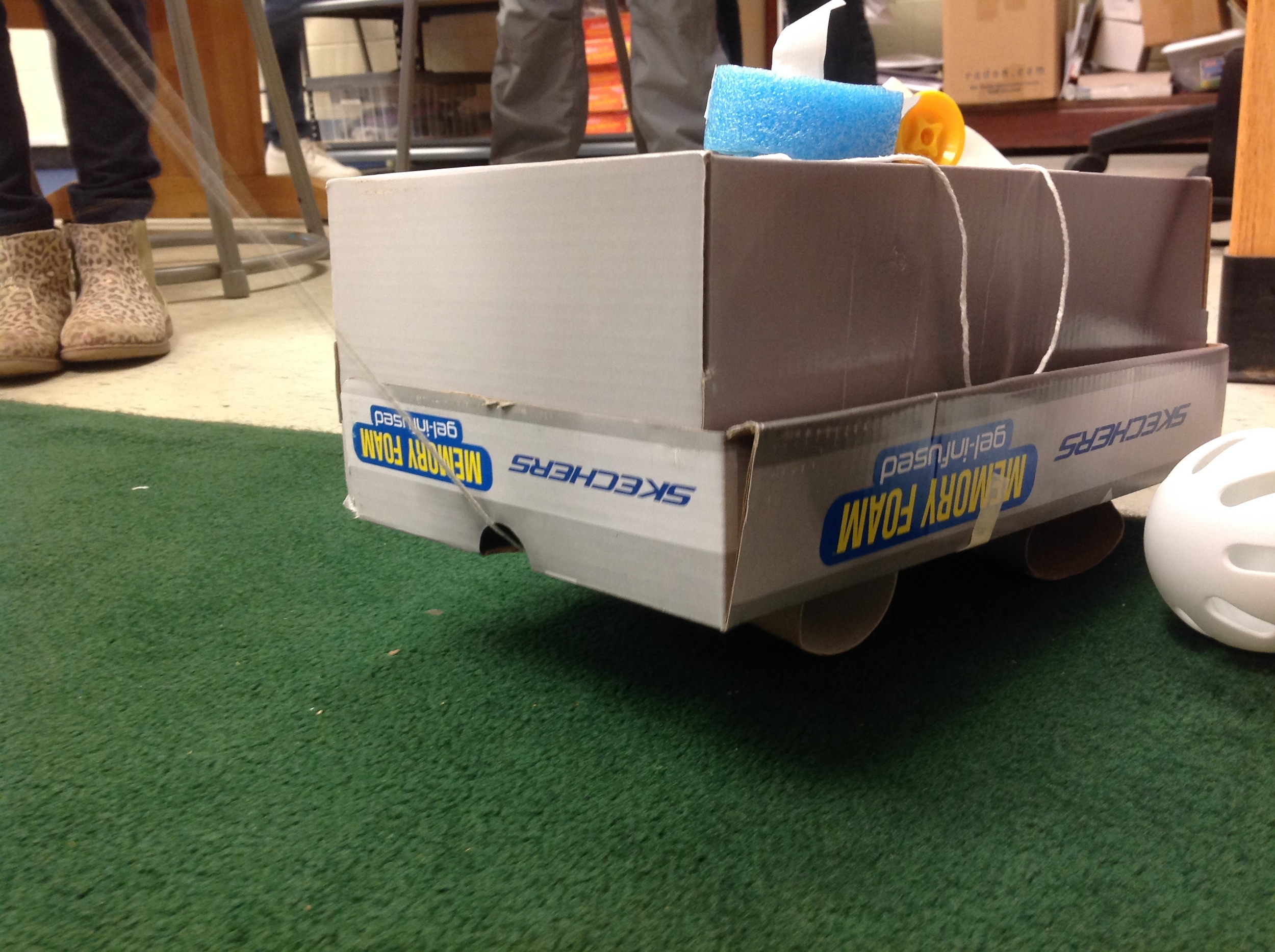
Mrs. Bower's class wraps our 2-month pushes & pulls challenge with some awesome wheelbarrows, sleds and wagons:

Pushes and Pulls: Coyne
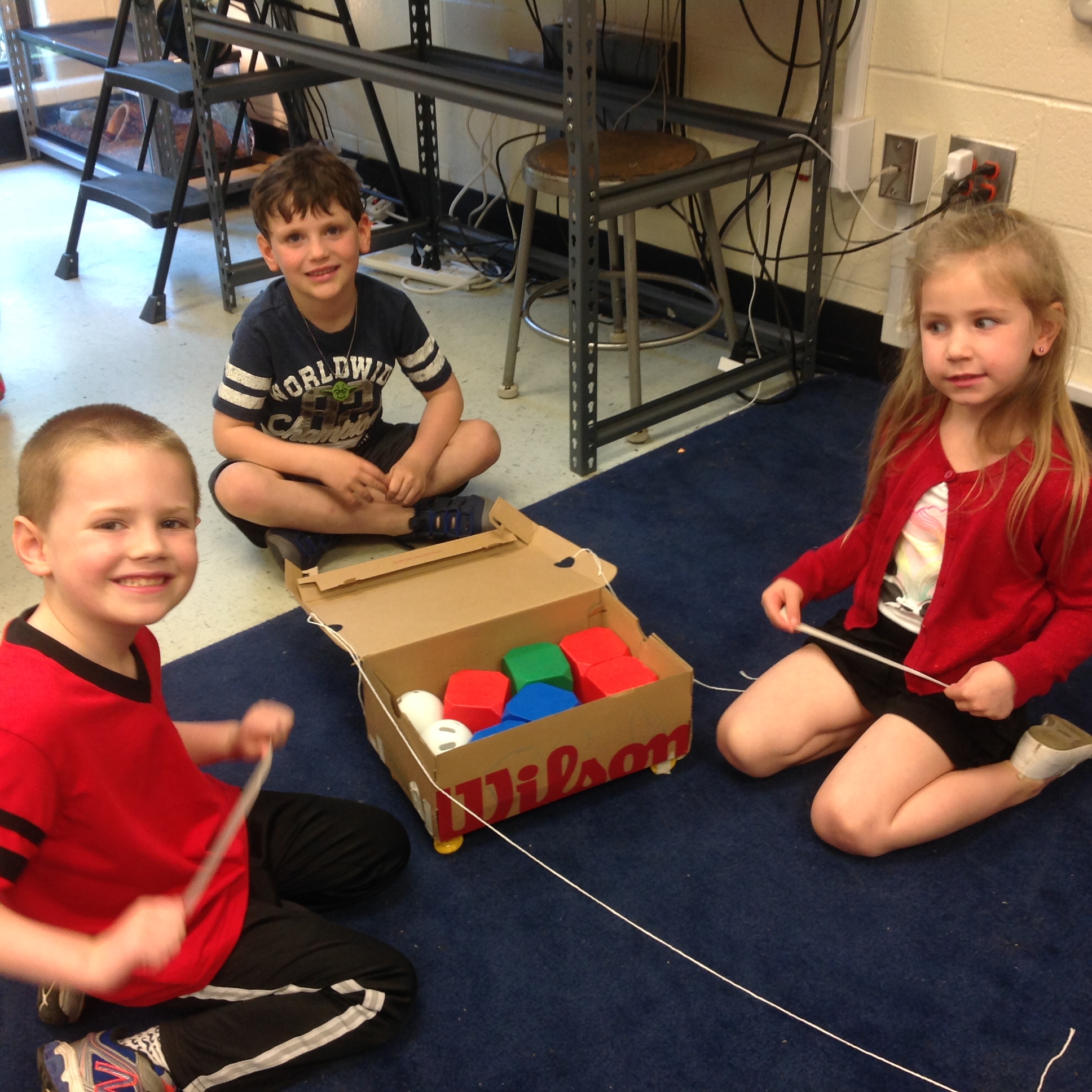
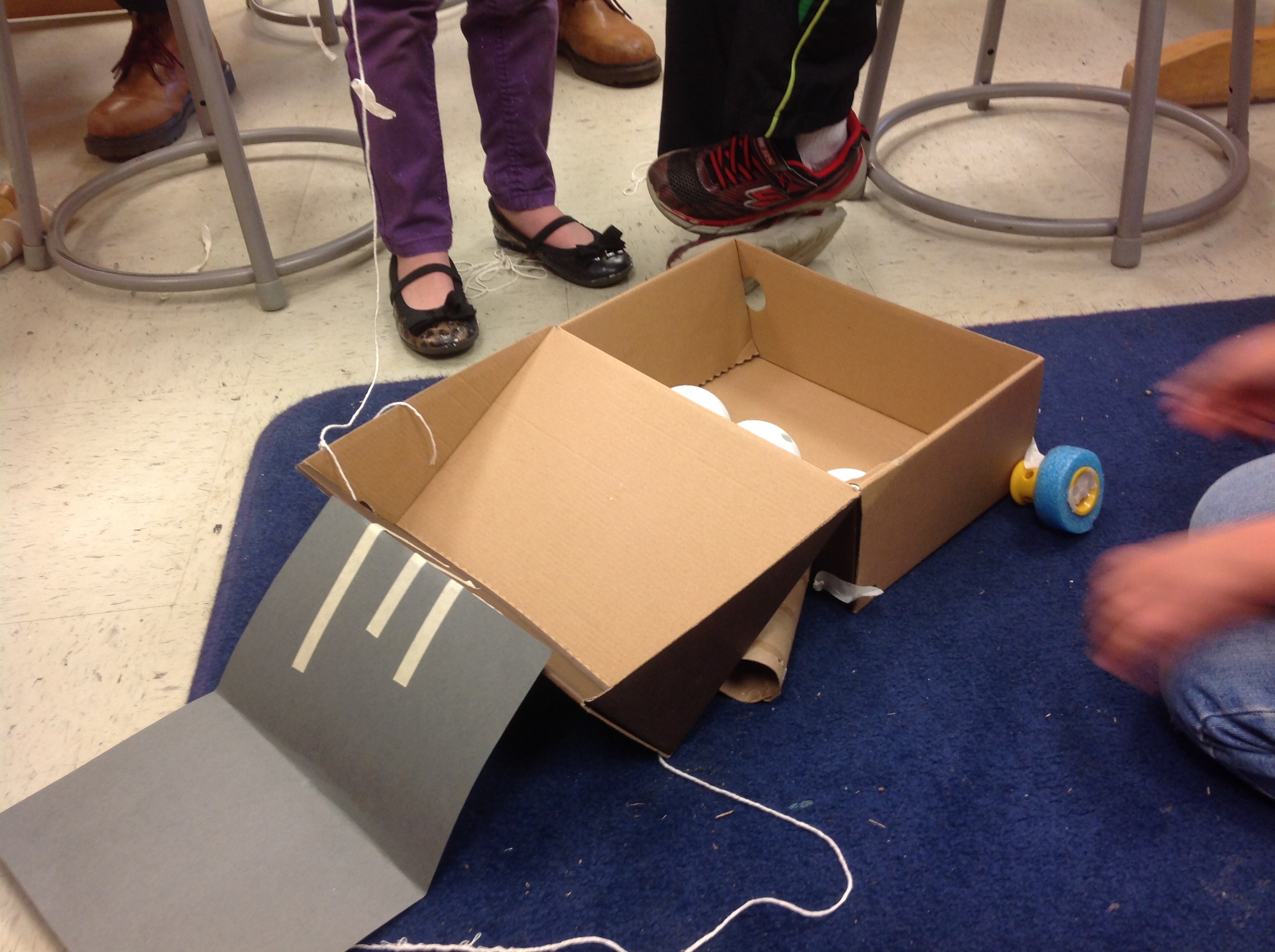
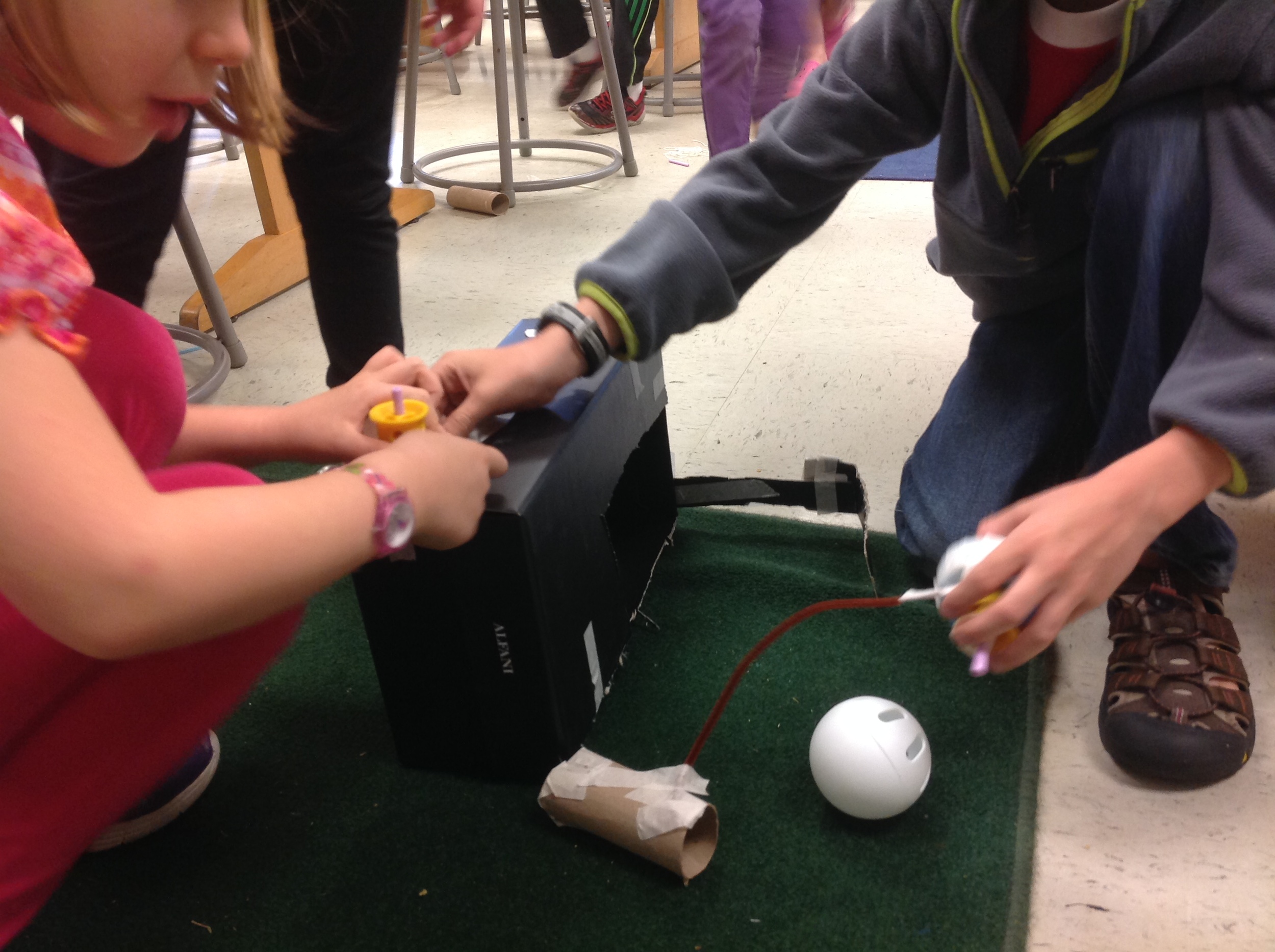
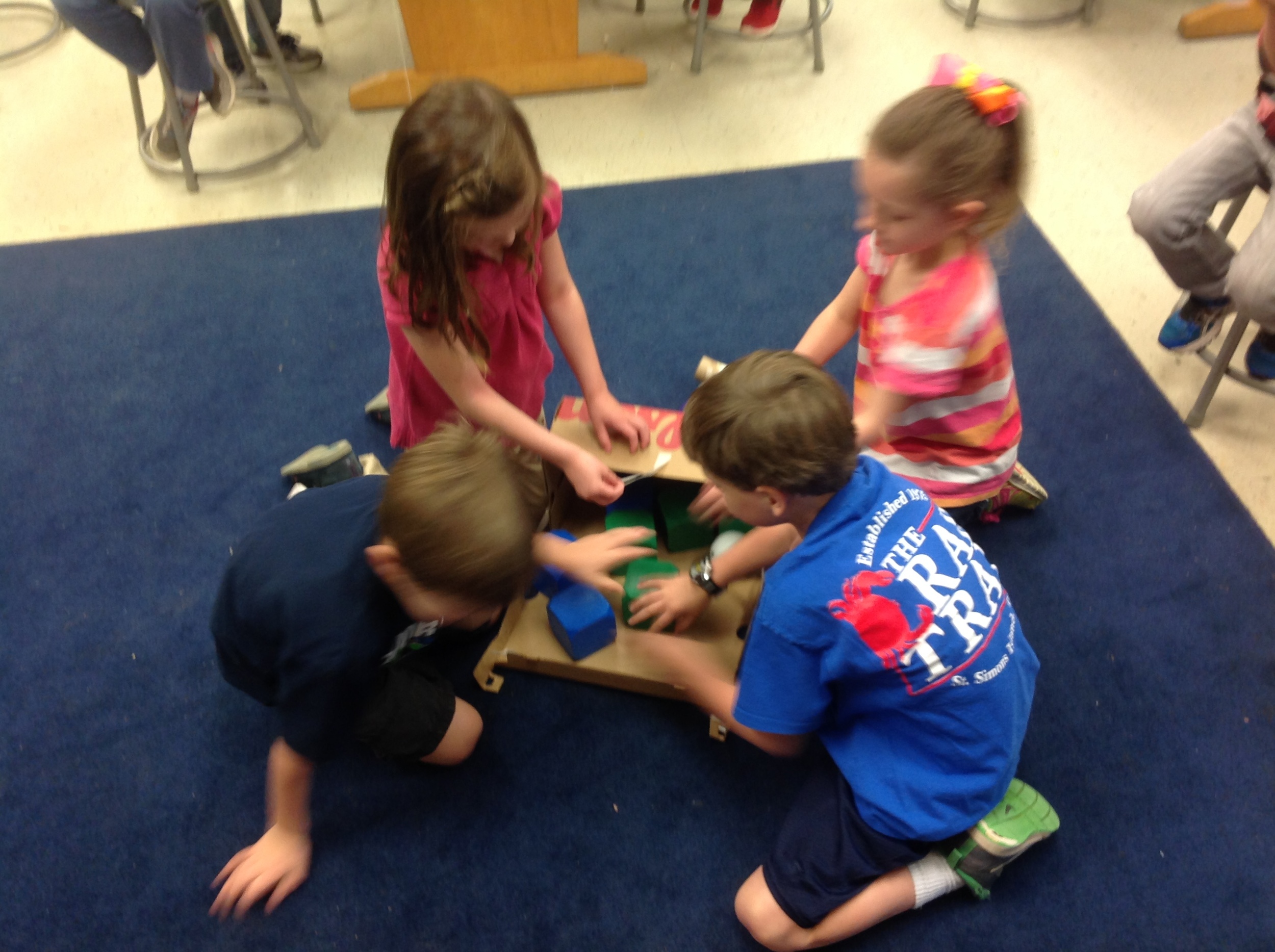
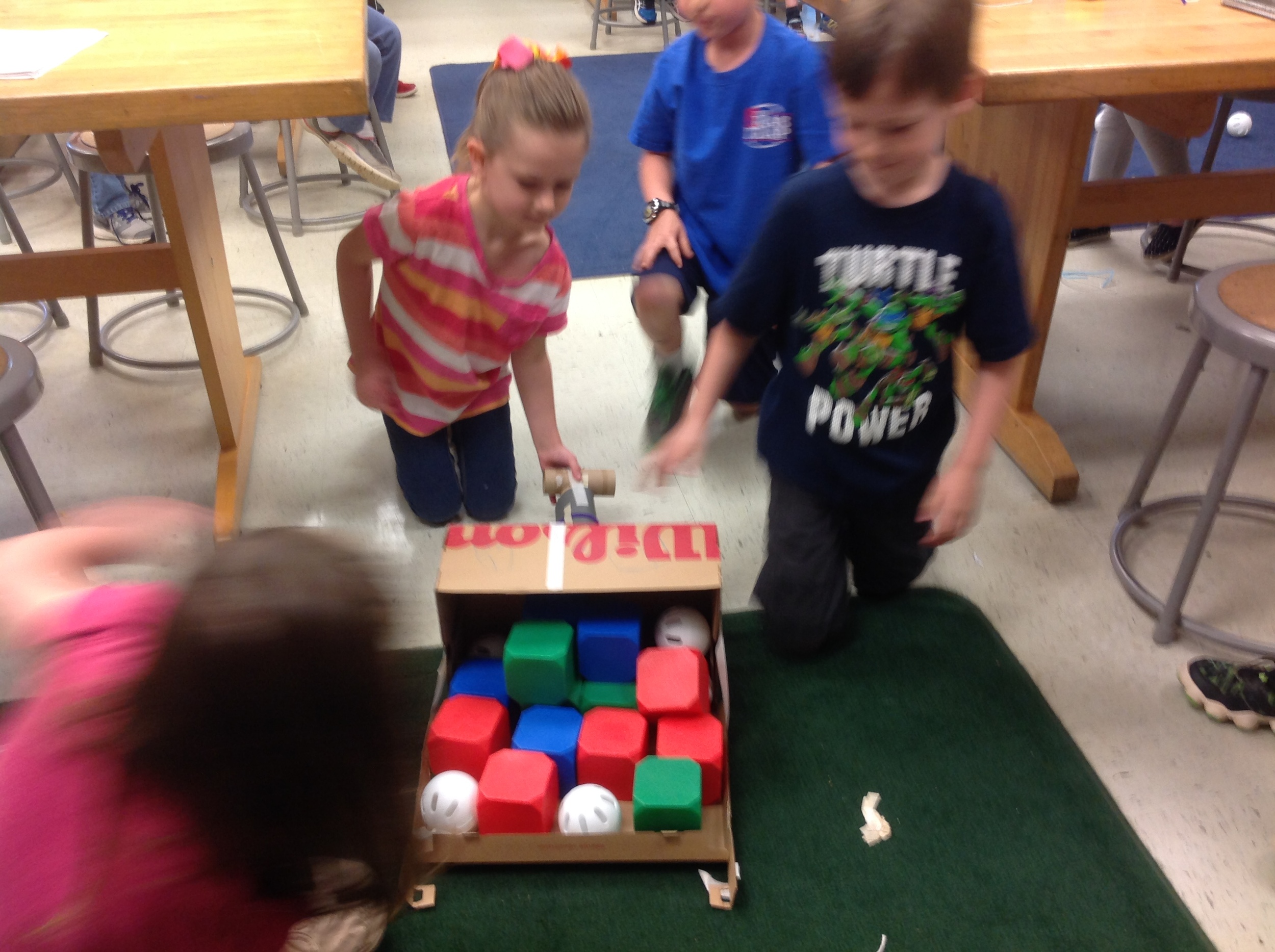
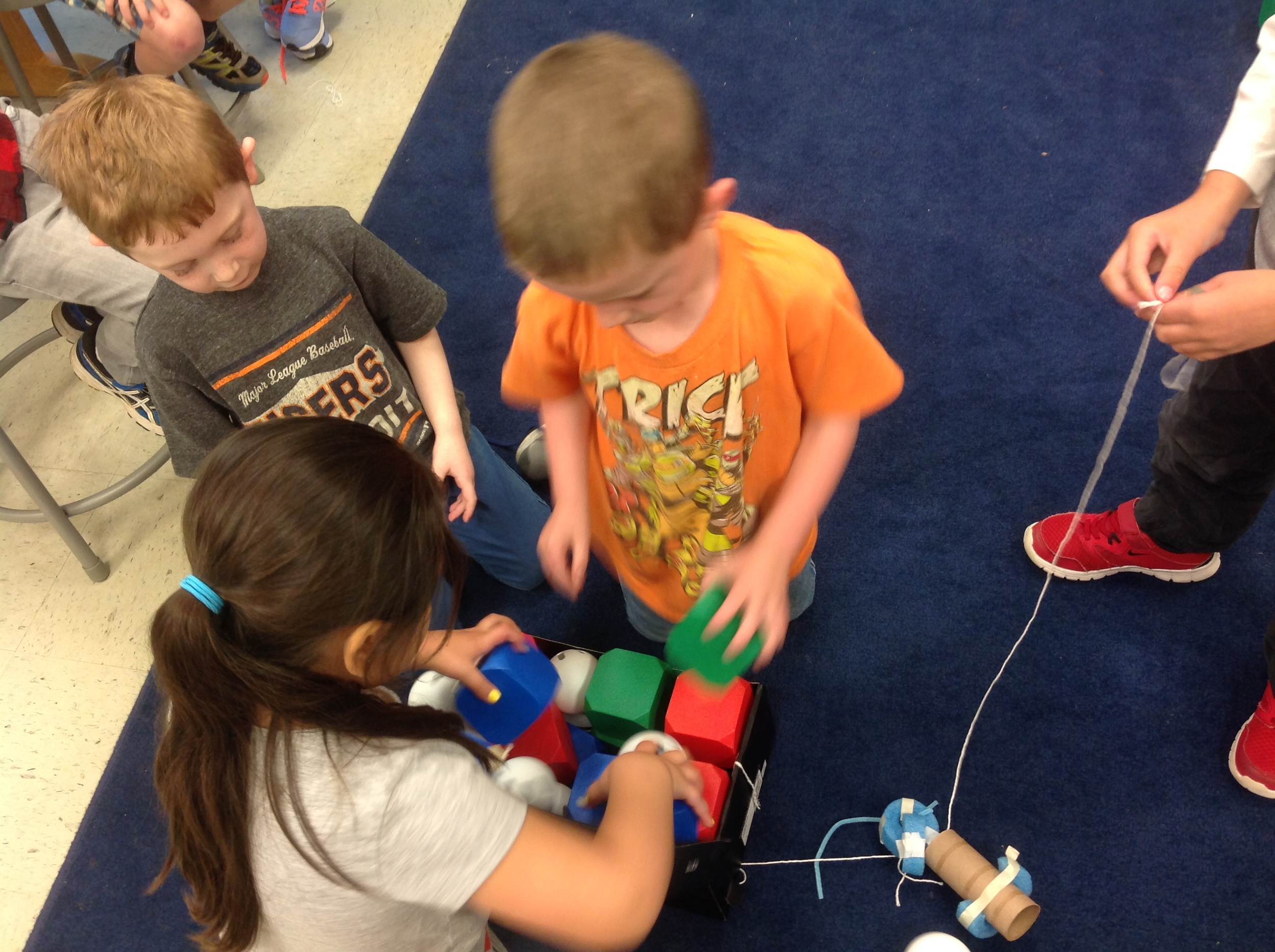
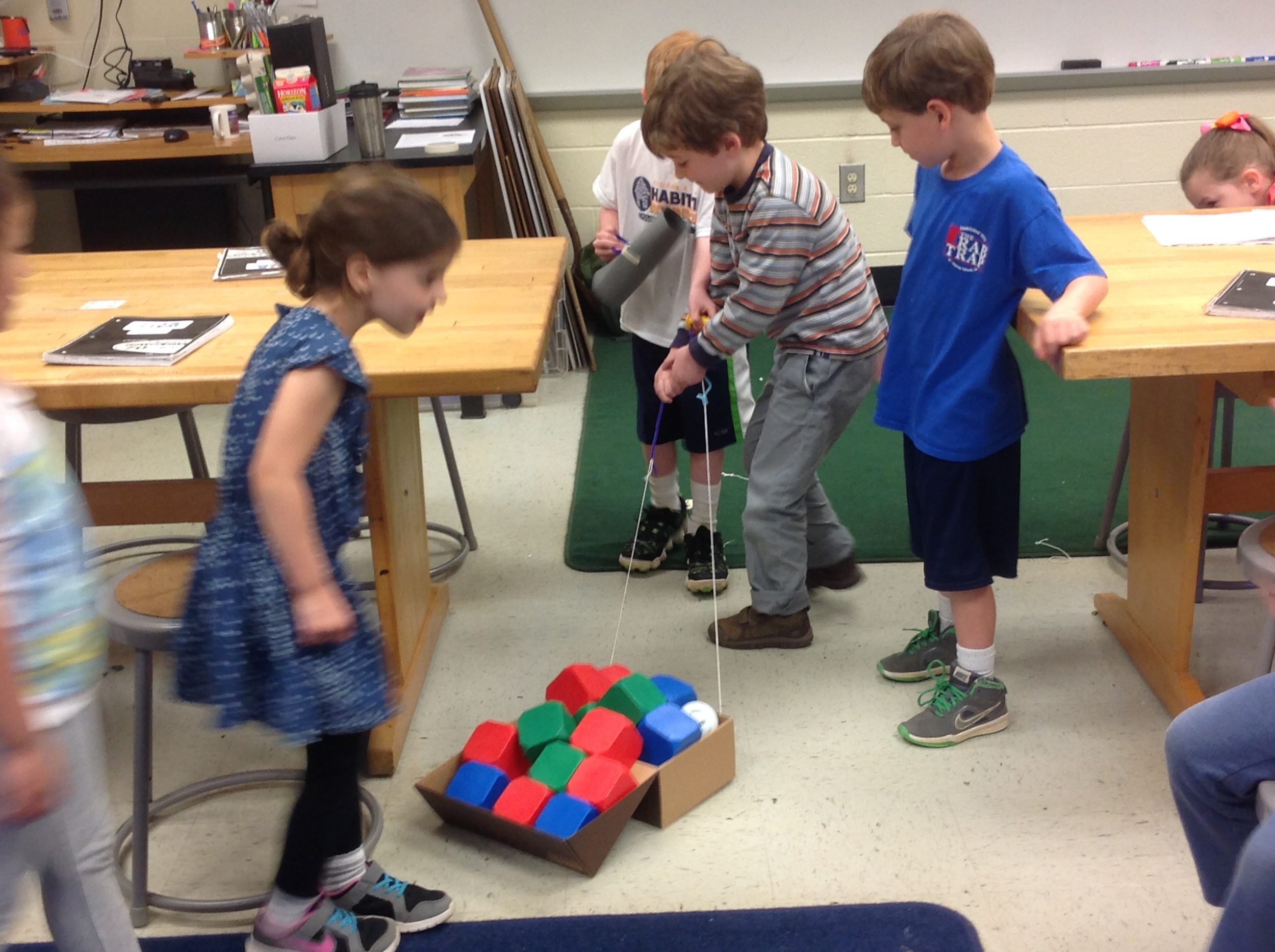
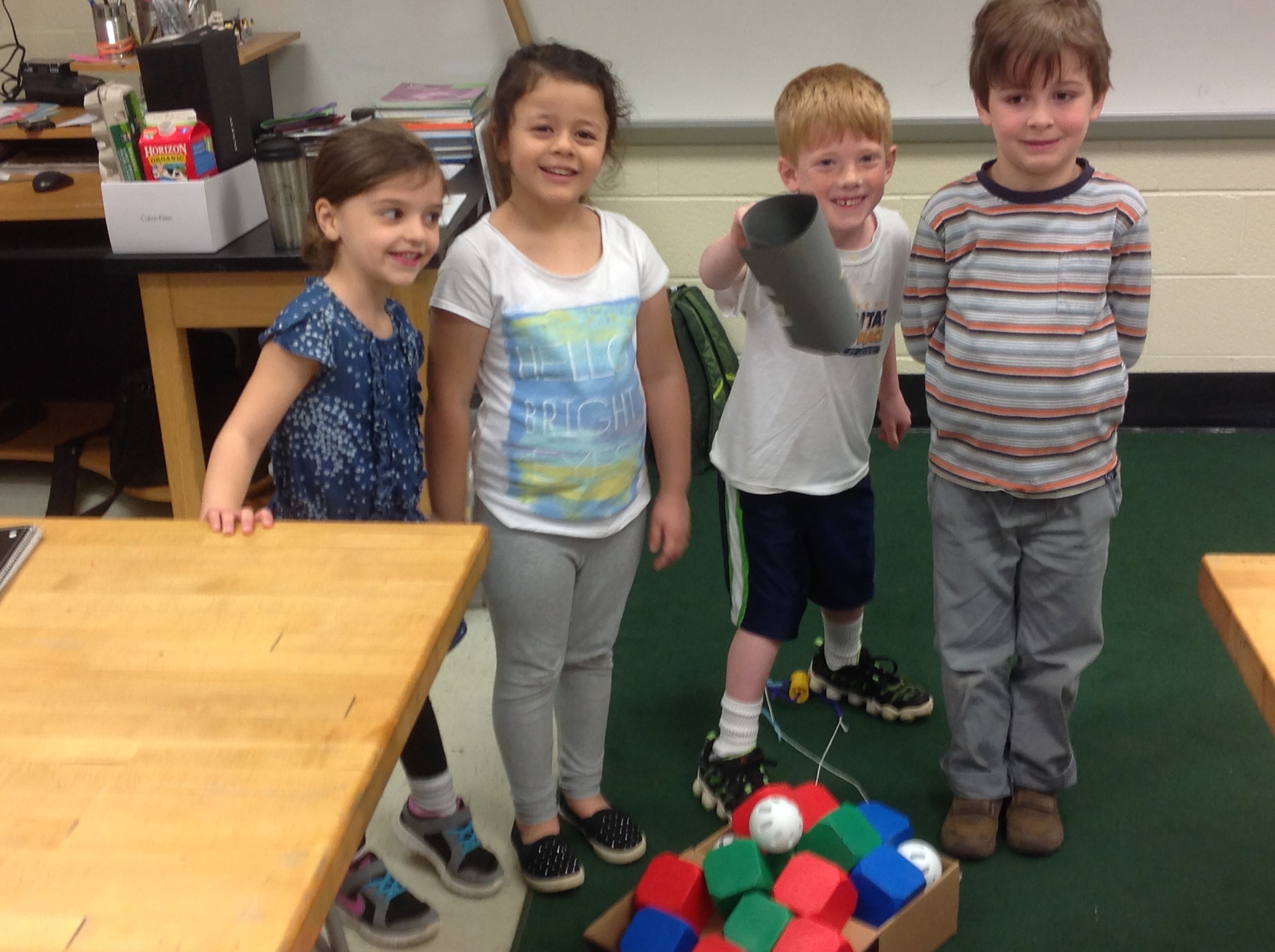
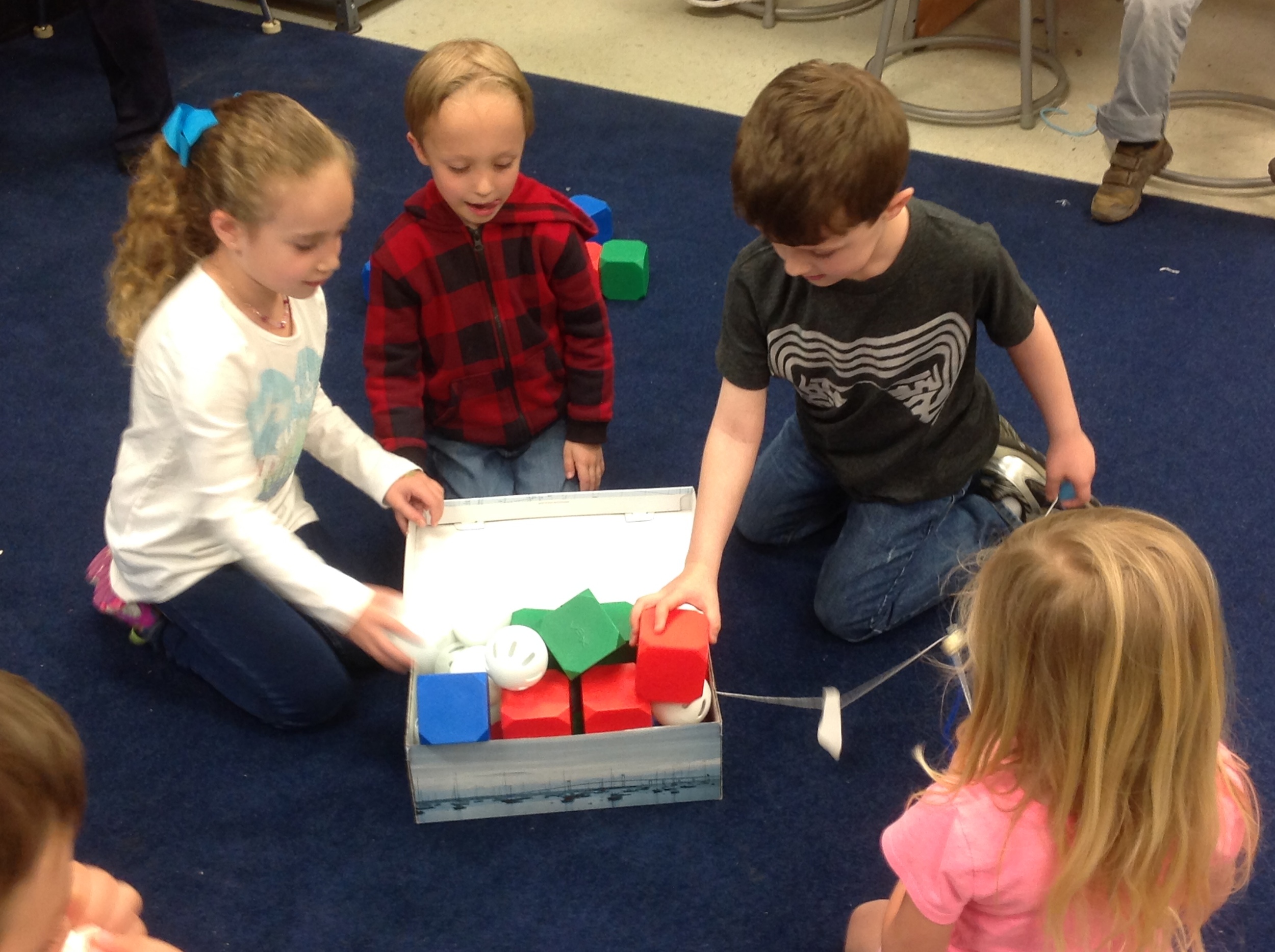
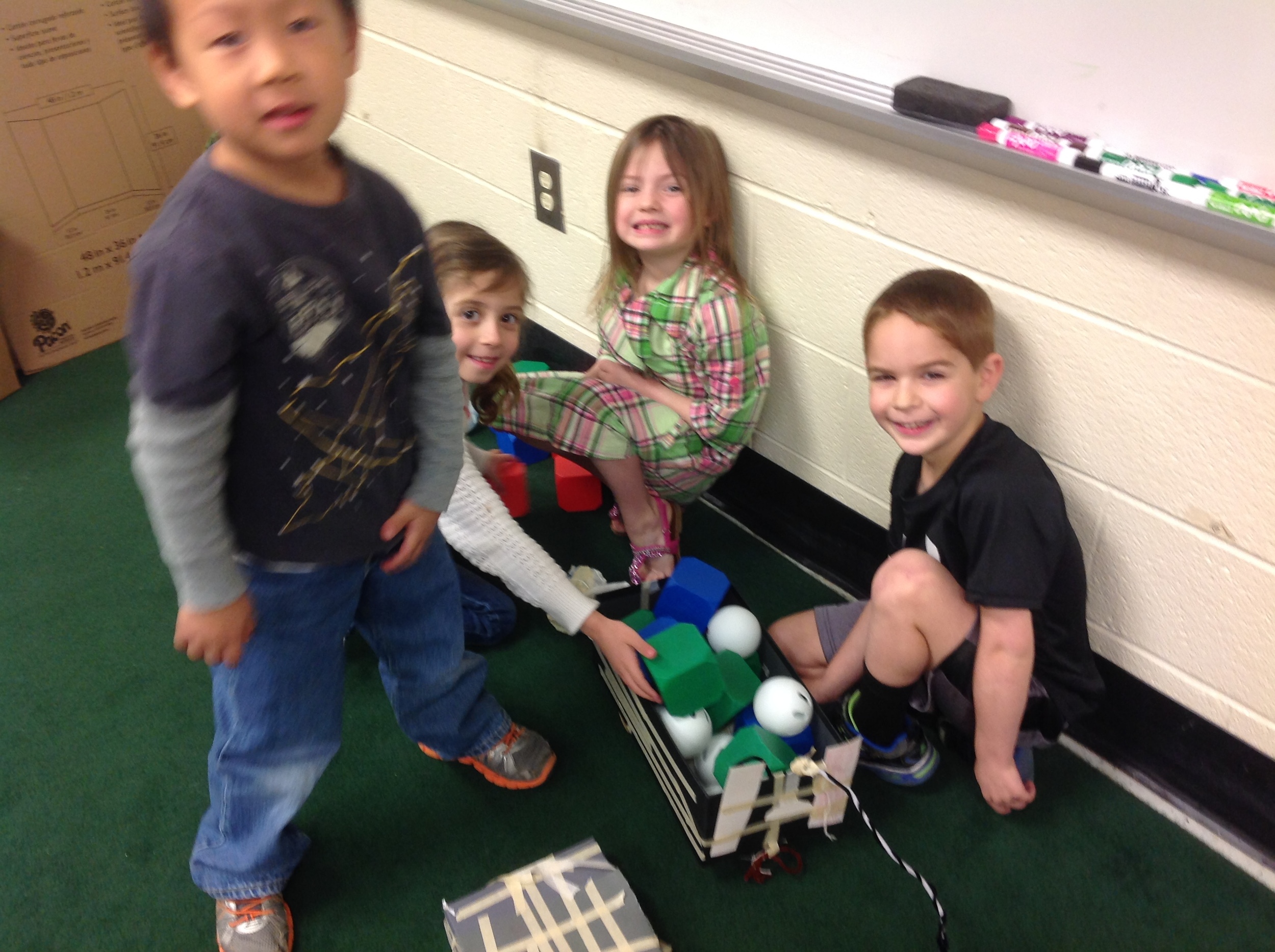
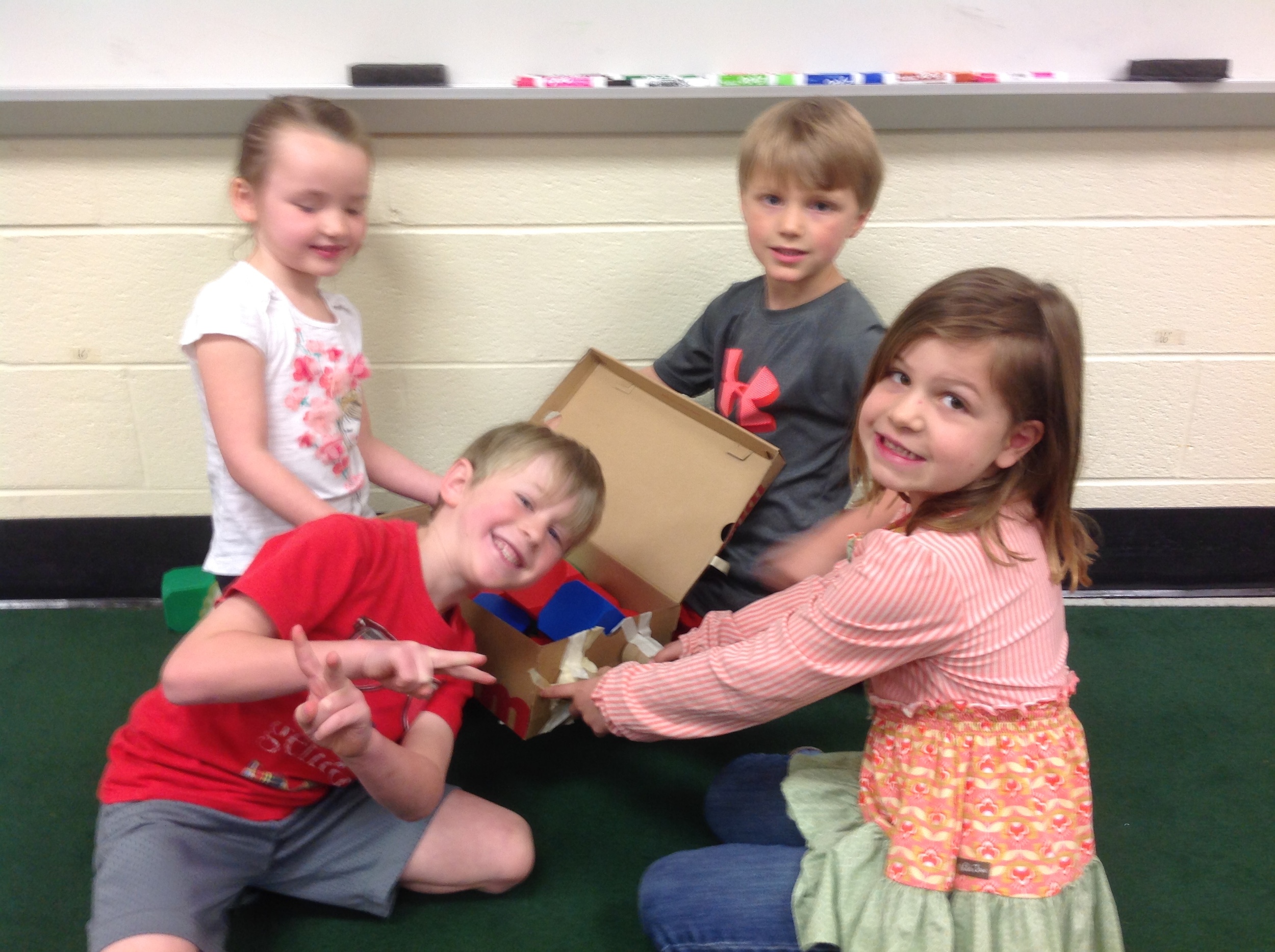
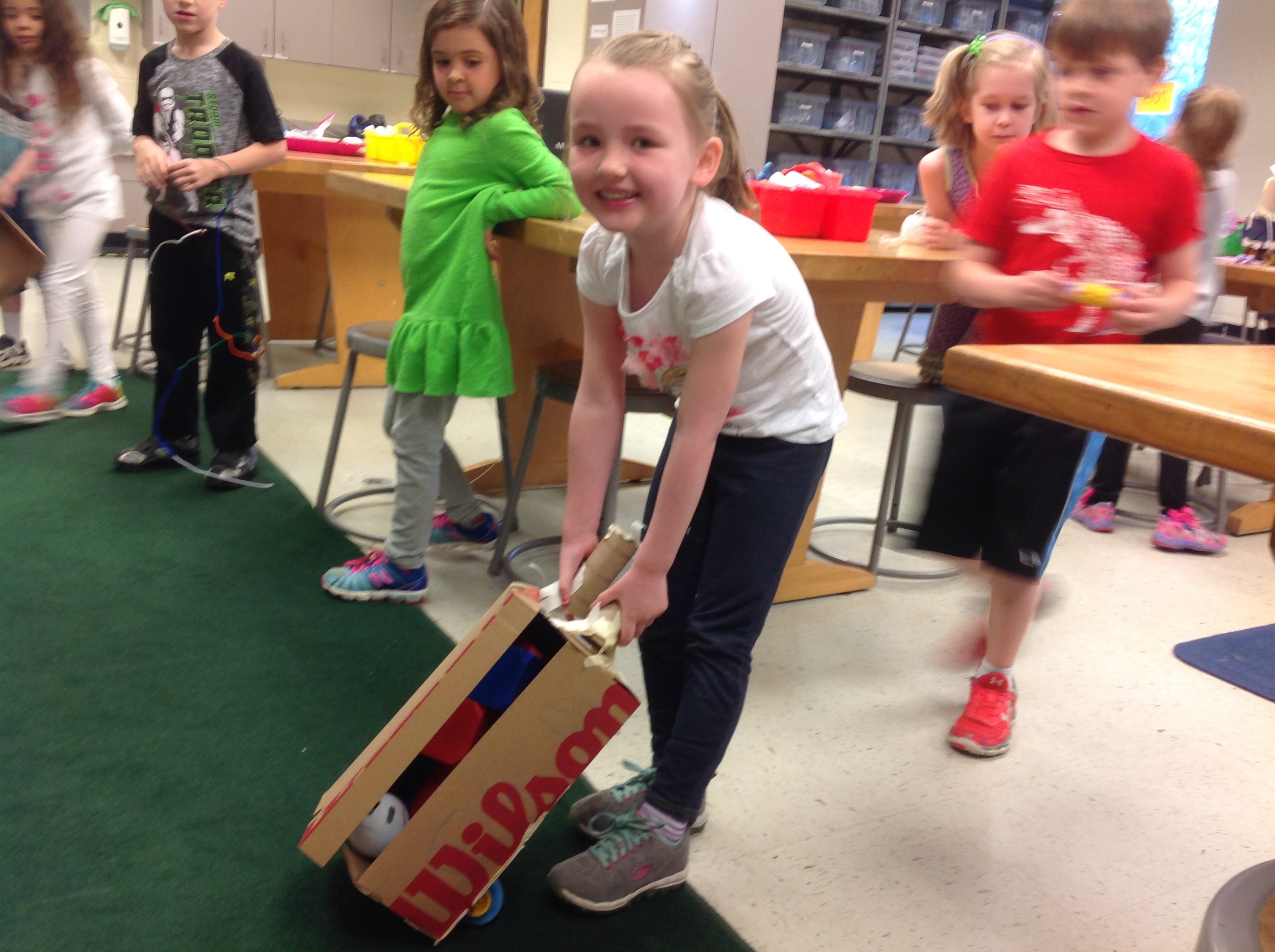
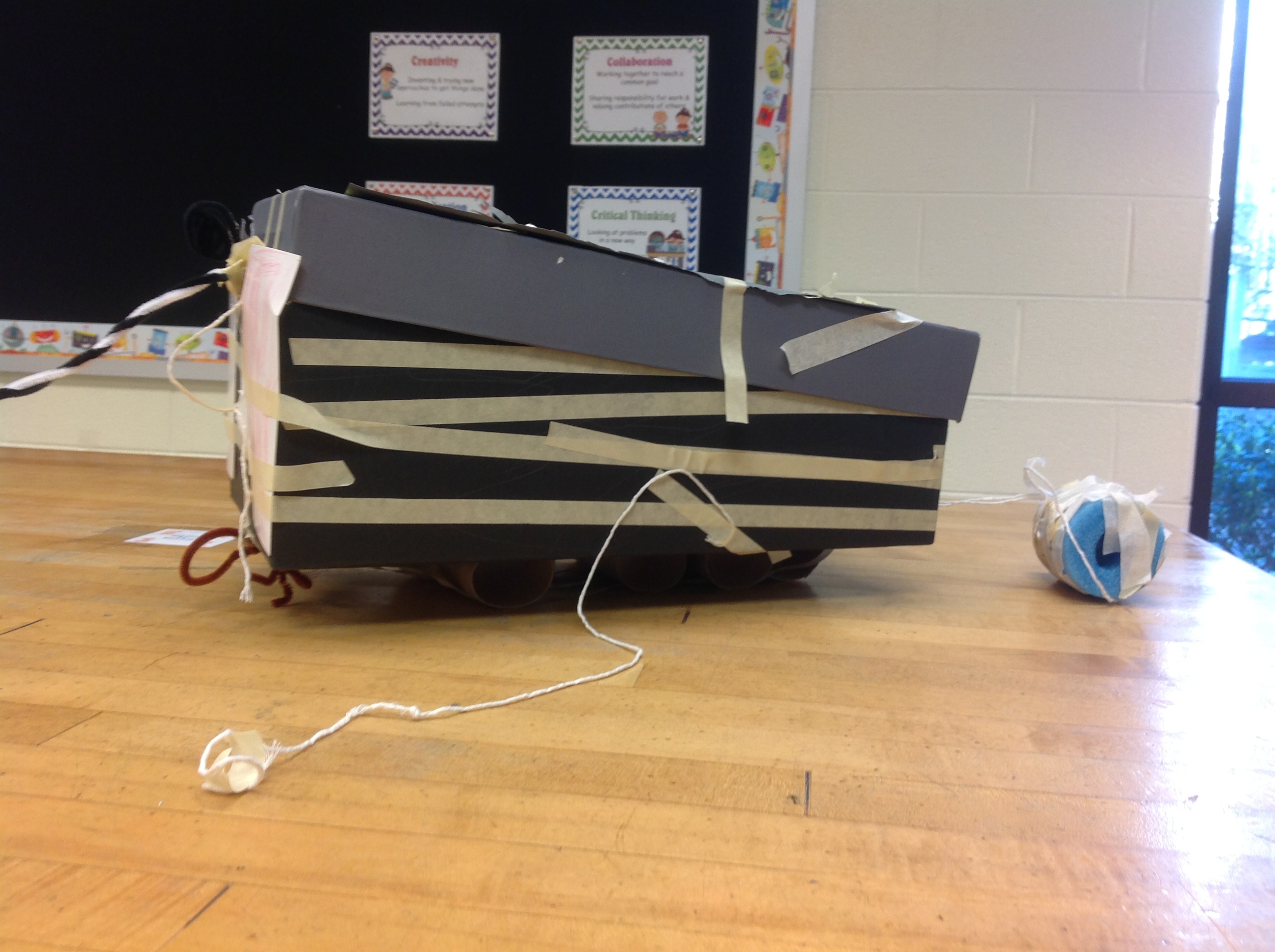
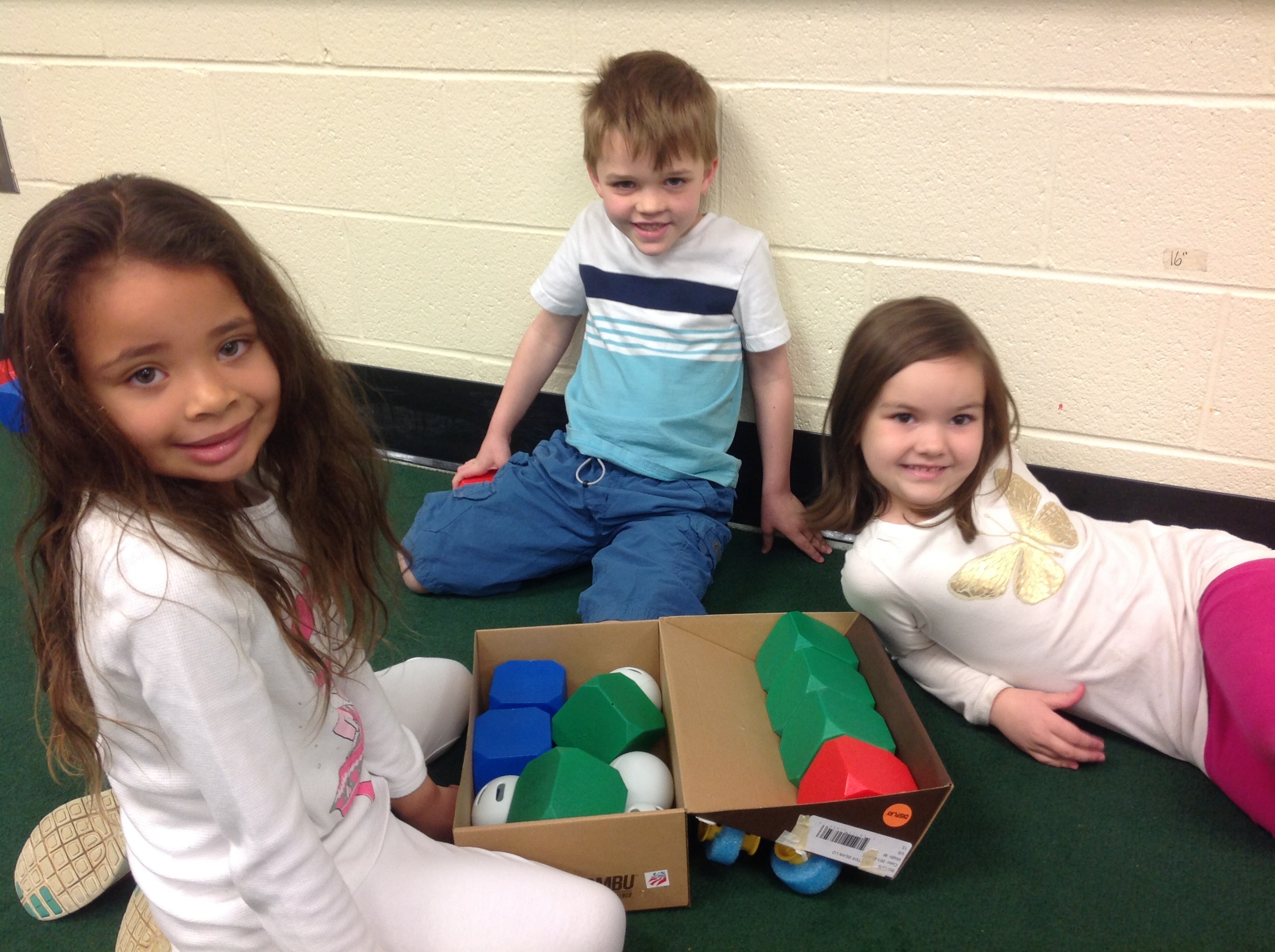
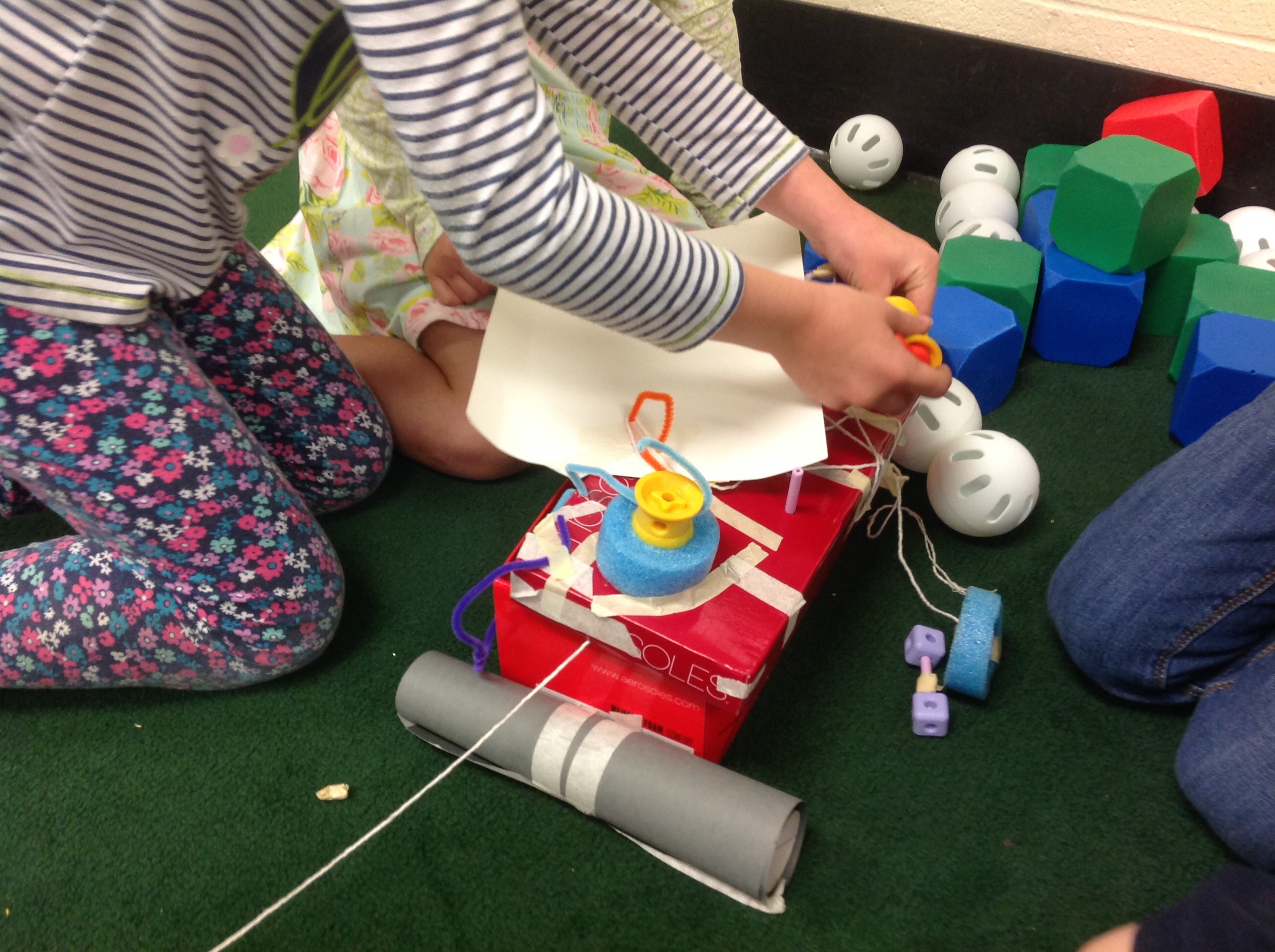
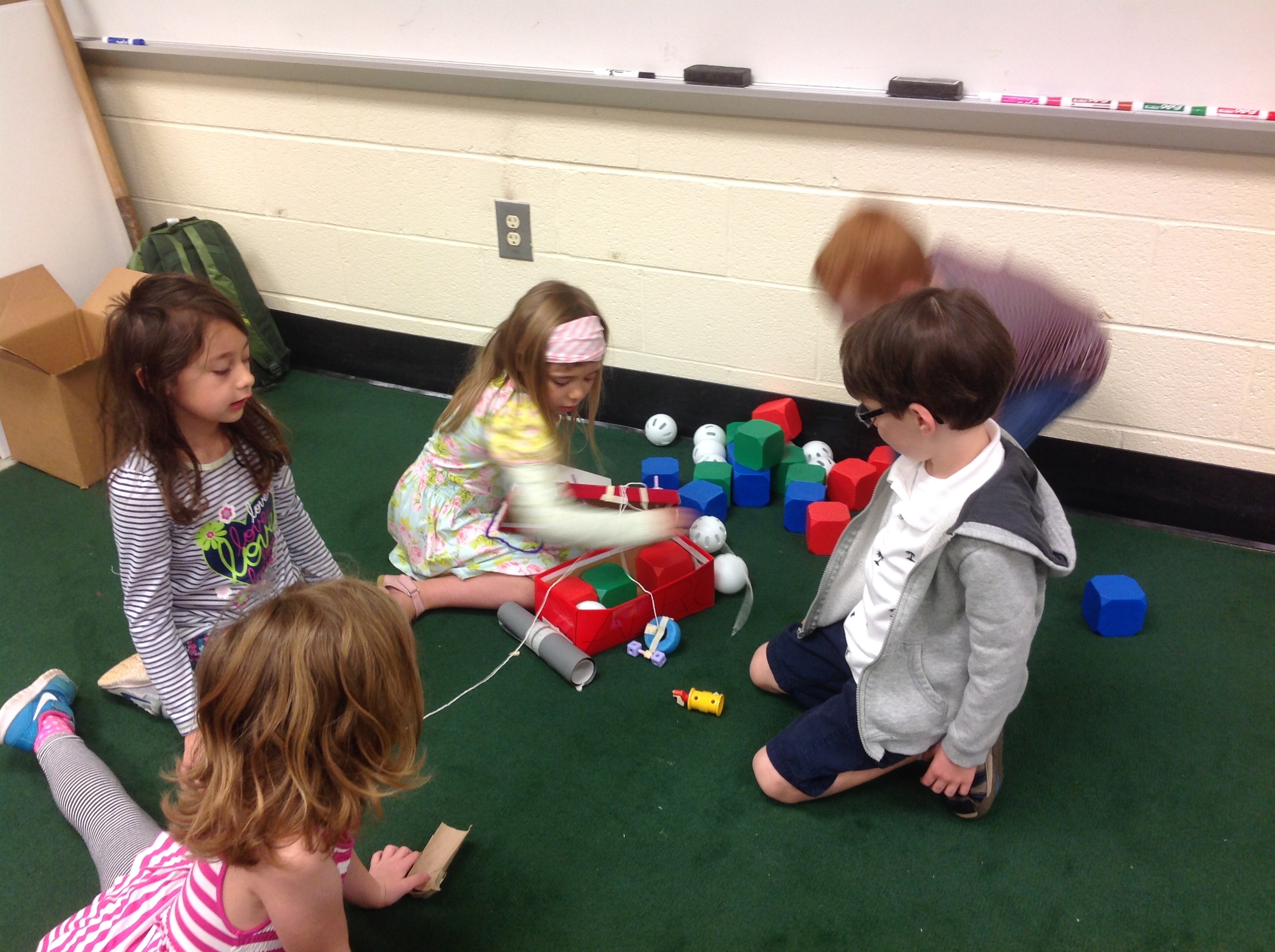
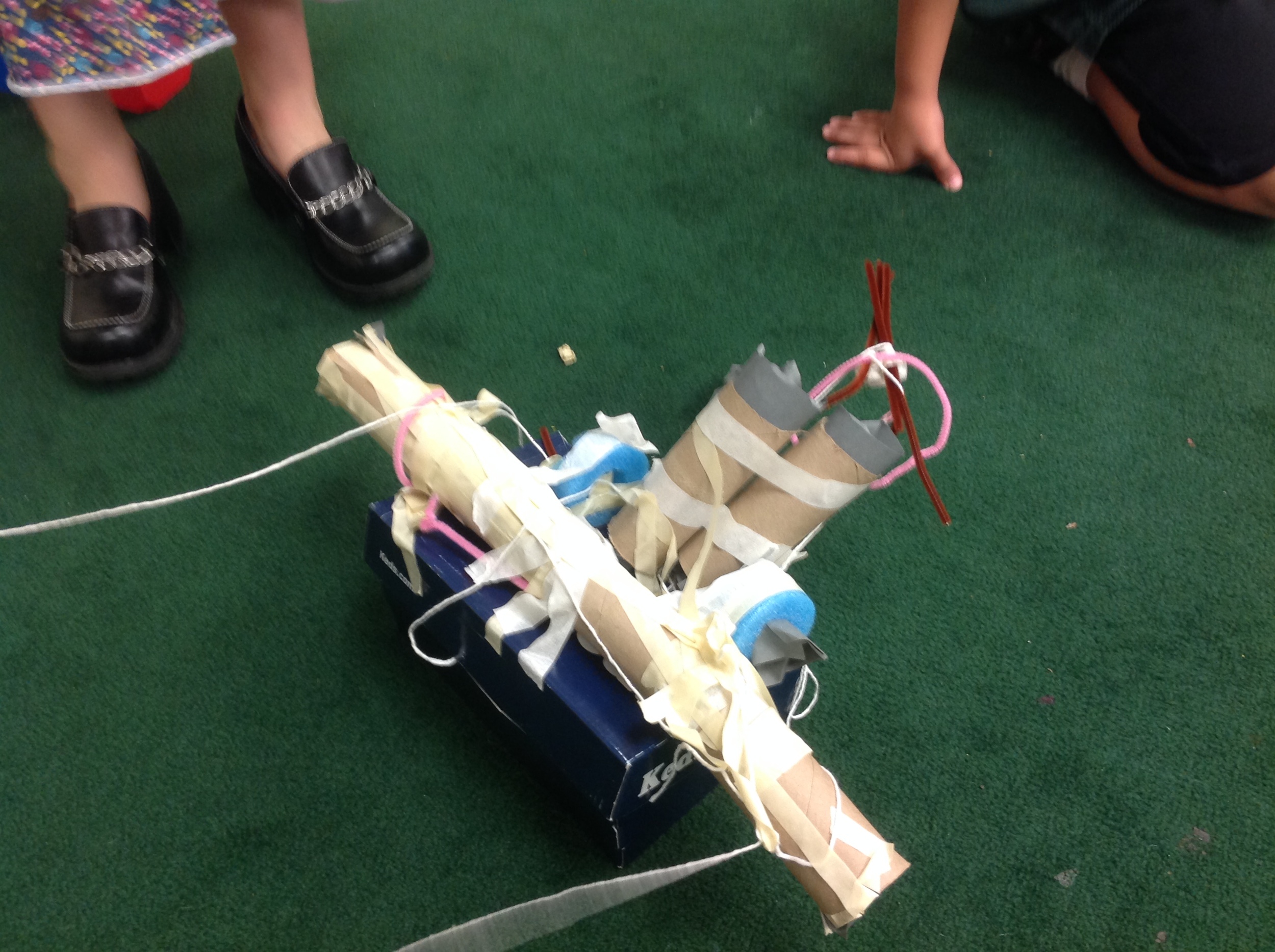
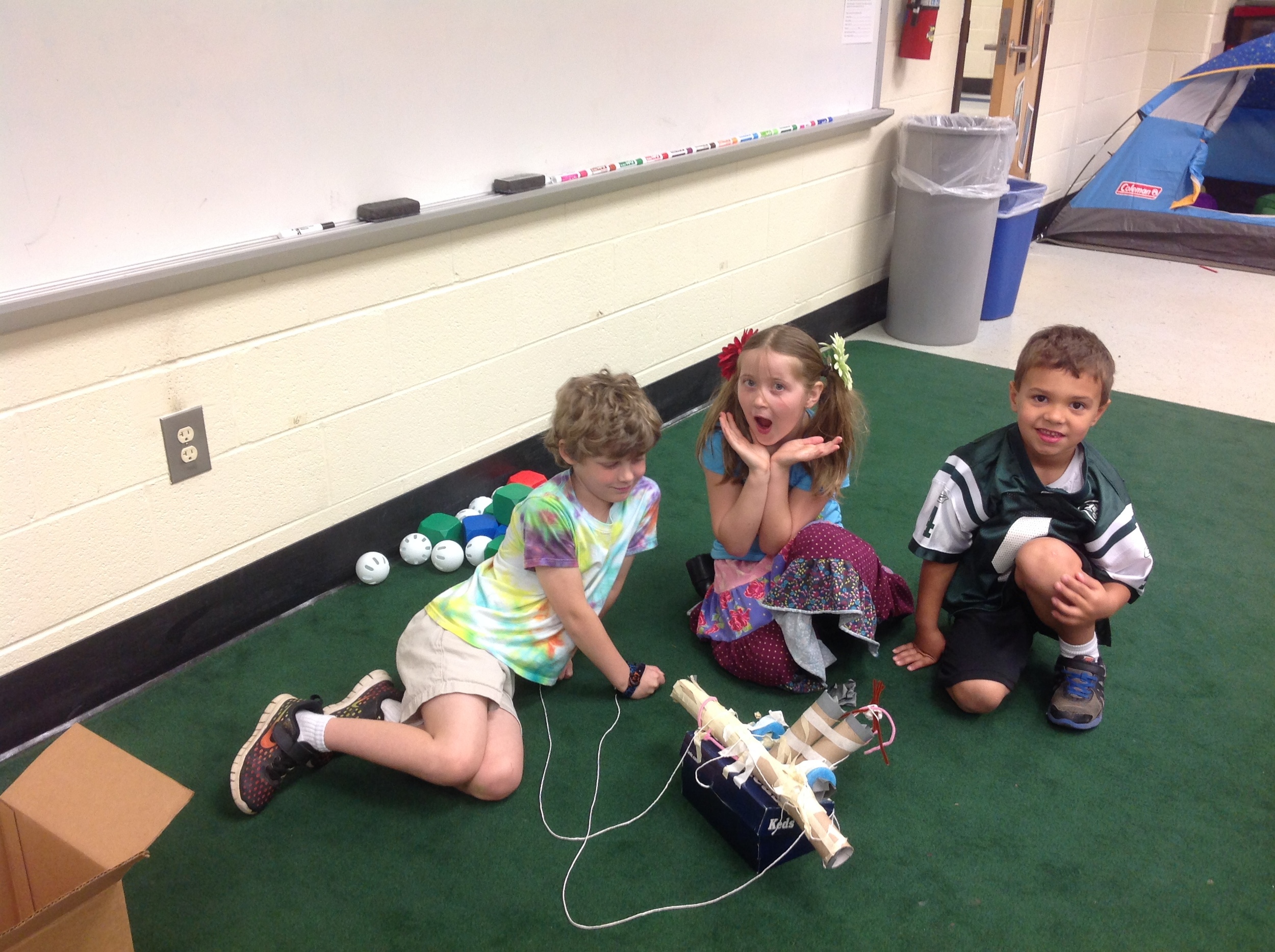
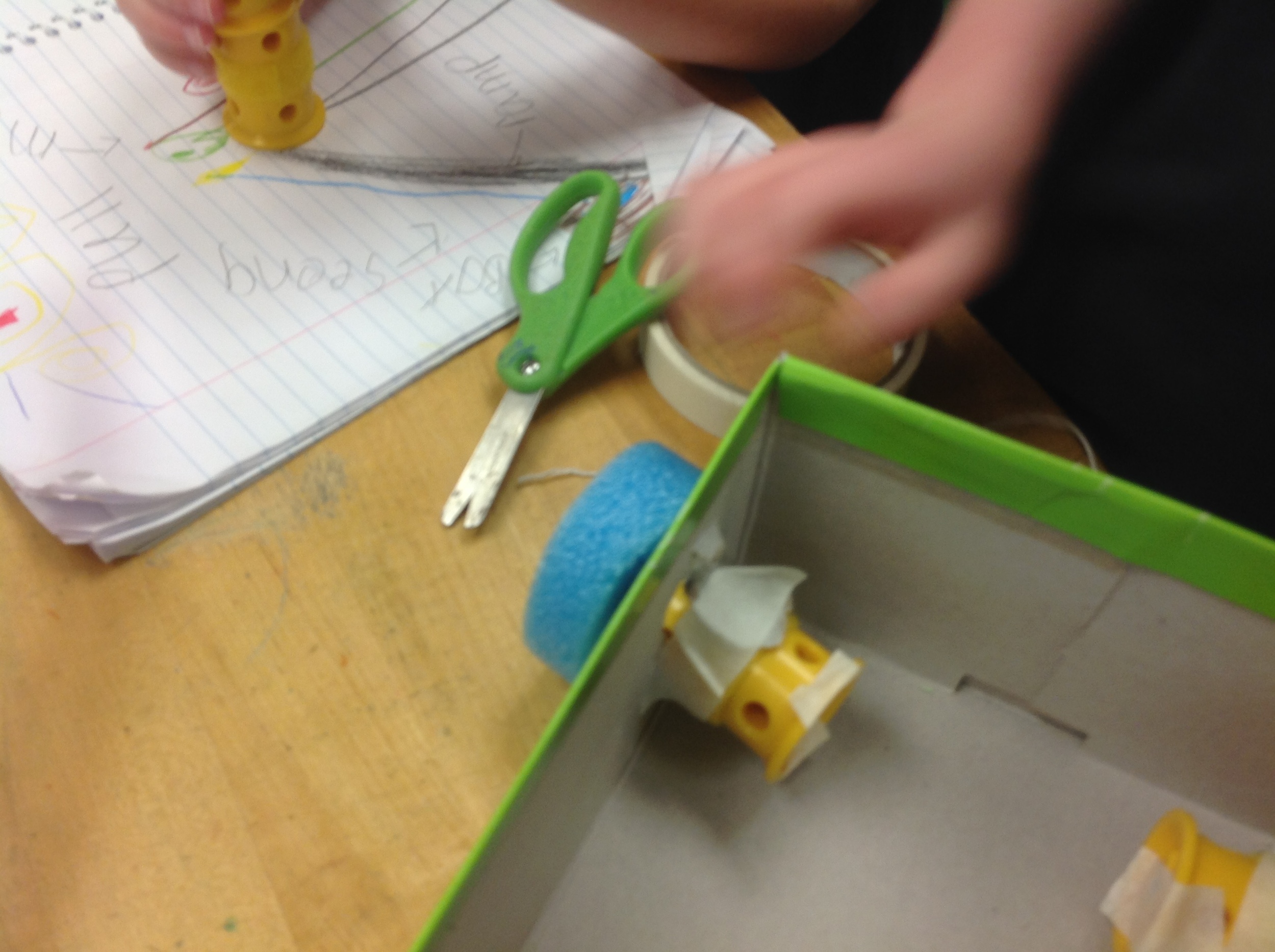
Ms. Coyne's class' picks up our rock moving challenge. How will the students overcome friction to transport rocks (blocks and whiffle balls) from one side of the rooms to the other? Find out below:

Let's talk about snakes.
Snakes are misunderstood. They are an important part of the food web, and many of them eat rodents - vectors for zoonotic diseases. There are over 42 species in Georgia, and only six of them are venomous (there is no such thing as a poisonous snake)! While there are over a thousand reported snake bites every year, there are only an average of 5 deaths per year across the entire United States. Most folks who get bit are trying to remove or harass a snake, and they are typically bitten in the arm. The most important thing you can do is learn to identify different snakes in your area (for example: there are no Water Moccasins in Cobb County, but there are five other large, non-venomous water snakes) and pay attention when you are hiking in the woods or playing around leaf litter or fallen trees. Here are four common snakes that do have some similar coloration. The only dangerous one is the Copperhead, the ONLY venomous snake in Cobb County. Learn more about snakes of Georgia at the Chattahoochee Nature Center or here: http://srelherp.uga.edu/snakes/.